Arsenal Football Club: A Legacy of Excellence from Dial Square to the Emirates
Founded in October 1886, Arsenal Football Club has evolved from a modest group of workers into one of the most successful and recognized sporting institutions in the world. Known affectionately as The Gunners, the club has a rich tapestry of history characterized by tactical revolutions, legendary managers, and a relentless pursuit of silverware in the English Premier League.
From its humble beginnings as Dial Square to its current home at the state-of-the-art Emirates Stadium, Arsenal has remained a cornerstone of London's sporting culture, fostering a passionate global fanbase known as Gooners.
Key Facts
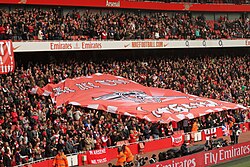
- Founded: October 1886 as Dial Square.
- Home Ground: Emirates Stadium (Capacity: 60,704).
- Current Manager: Mikel Arteta.
- Ownership: Kroenke Sports & Entertainment.
- Record Goalscorer: Thierry Henry (228 goals).
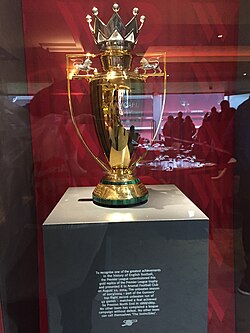
- Unique Achievement: The only team to complete an unbeaten Premier League season, earning a unique gold trophy.
The Evolution of the Gunners: A Historical Journey
From Dial Square to Royal Arsenal (1886–1912)
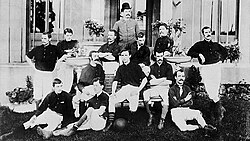
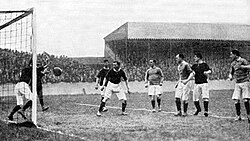
The club's origins trace back to 1886 when it was established as Dial Square. This early period saw the transition to Royal Arsenal, laying the foundation for the club's identity and its first crest in 1888.
The Era of Innovation and Herbert Chapman (1912–1947)
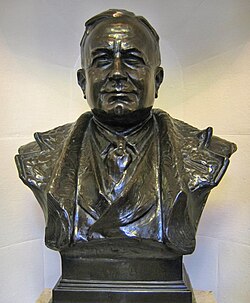
The period between 1912 and 1934 marked a significant shift, particularly under the legendary management of Herbert Chapman. Chapman is credited with transforming Arsenal into a dominant force through tactical innovation and professionalization.
Post-War Success and the Mid-Century Years (1947–1984)
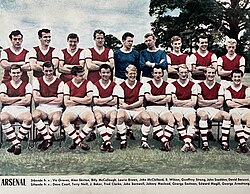
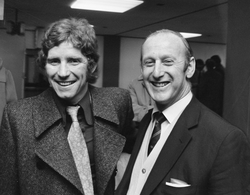
Following the Second World War, the club experienced a meteoric rise under Tom Whittaker. Later, the leadership of Billy Wright, Bertie Mee, and Terry Neill continued to build the club's prestige, with Bertie Mee notably leading the team to their first "double" (winning both the league and the FA Cup) in 1971.
The Modern Era: Graham, Wenger, and Arteta (1984–Present)
George Graham's tenure in the 1980s and 90s brought a new level of discipline and success. However, the most profound transformation occurred under Arsène Wenger, who managed the club from 1996 to 2018. Wenger revolutionized English football with his approach to nutrition, scouting, and a fluid, attacking style of play.
![Arsène Wenger managed Arsenal from 1996 to 2018; he is the club's longest serving manager.[233]](/images/ac/2b/ac2bf6b684d3aa895ef0162cacc66c5383cc037be555c5dfab8ff540bf0bcdae.jpg)
The club's crowning achievement during this era was the "Invincibles" season, where they went undefeated throughout the entire Premier League campaign.
Following a period of evolution post-Wenger, former club captain Mikel Arteta was appointed manager in December 2019, ushering in a new era of tactical growth and youth development.
![Having served as Arsenal's club captain during his playing career, Arteta was appointed as manager in December 2019.[96]](/images/19/4b/194bee5ae2f49dc69c5d7191ae8ccbc64f065fbd4872bb69534a1ac213fd0839.png)
Stadiums and Identity
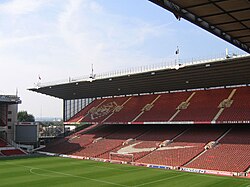
Arsenal's journey has seen them move through several homes, from the Manor Ground in Woolwich to the historic Highbury (Arsenal Stadium), and finally to the Emirates Stadium in 2006. The move to the Emirates provided the club with a world-class facility capable of hosting over 60,000 spectators.
The club's identity is further defined by its fierce rivalry with Tottenham Hotspur, a clash known as the North London derby, which remains one of the most anticipated fixtures in world football.
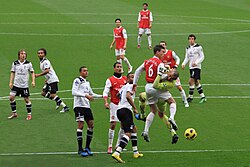
Club Overview and Current Structure
Today, Arsenal is owned by Kroenke Sports & Entertainment, with Stan and Josh Kroenke serving as co-chairmen. The club continues to invest heavily in its academy and first-team squad to maintain its status as a top-tier competitor.
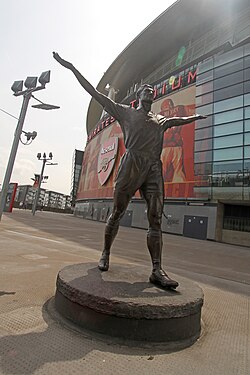
| Category | Details |
|---|---|
| Full Name | The Arsenal Football Club |
| Nicknames | The Gunners / Gooners (supporters) |
| Current Stadium | Emirates Stadium |
| Capacity | 60,704 |
| League | Premier League |
| Current Captain | Martin Ødegaard |
Frequently Asked Questions
Who is the record goalscorer for Arsenal?
Thierry Henry holds the record for the most goals scored for Arsenal, with a total of 228 goals in all competitions.
![Thierry Henry is Arsenal's record goalscorer, with 228 goals in all competitions.[241]](/images/19/f3/19f38642ff8180d0c829edd86b6db6266c7e4cec8cc6d3d67981aa0becfc7780.jpg)
What is the significance of the "Invincibles"?
The "Invincibles" refers to the Arsenal squad that completed an entire Premier League season without a single defeat, a feat that remains unique in the history of the competition.
Who is the longest-serving manager in the club's history?
Arsène Wenger is the longest-serving manager, leading the club from 1996 until 2018.
What is the North London derby?
The North London derby is the intense rivalry match played between Arsenal and their local rivals, Tottenham Hotspur.
Where does Arsenal currently play its home matches?
Arsenal plays its home matches at the Emirates Stadium, which has a capacity of 60,704.