Armenians: A Legacy of Culture, History, and Global Diaspora
The Armenians are an Indo-European people with a rich and complex history spanning millennia. From their ancient roots in the highlands of the Caucasus to the establishment of a vast global network known as the Diaspora, the Armenian identity is defined by a resilient spirit, a unique language, and a profound spiritual heritage. Today, the Armenian population is estimated between 8 million and 11 million people worldwide.
The story of the Armenian people is one of endurance. Having navigated the rise and fall of great empires and the challenges of displacement, they have maintained a distinct cultural identity that continues to flourish in both the Republic of Armenia and across the globe.
Key Facts
- Global Population: Approximately 8 to 11 million people.
- Primary Language: Armenian.
- State Religion: The Armenian Apostolic Church, the world's oldest national church.
- Major Population Centers: Armenia, Russia, United States, France, and Georgia.
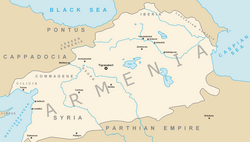
- Historical Peak: The Kingdom of Armenia reached its greatest extent under Tigranes the Great (95–55 BCE).
Historical Foundations and Antiquity
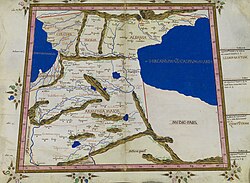
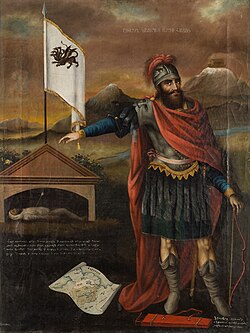
Armenians first appear in historical records shortly after the end of the 7th century BCE. According to tradition, the nation was founded by the legendary figure Hayk. In antiquity, the Armenian people established a powerful presence in the Near East, often interacting with the great empires of the time.
One of the most significant eras in Armenian history was the reign of Tigranes the Great (95–55 BCE), during which the Kingdom of Armenia expanded to its maximum territorial extent, becoming a dominant power in the region.
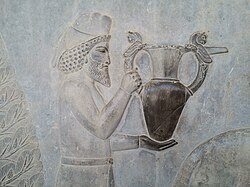
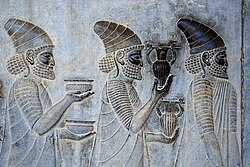
Ancient records, including bas-reliefs at the Apadana in Persepolis, depict Armenians as tribute bearers, highlighting their early economic and diplomatic ties with the Persian Empire, specifically through the trade of their renowned wines.
Faith, Language, and Cultural Identity
The Armenian Apostolic Church
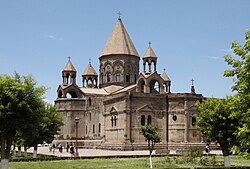
Armenia holds the distinction of being the first nation to adopt Christianity as its state religion. The Armenian Apostolic Church serves as the spiritual cornerstone of the nation. The Etchmiadzin Cathedral, established in 301 AD, remains the mother church and a symbol of national identity.
Language and Literature
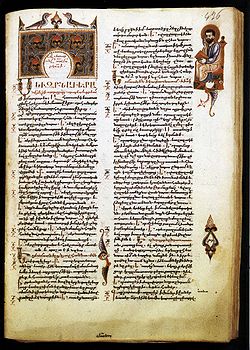
The Armenian language is a unique branch of the Indo-European language family. This linguistic independence has allowed for a rich literary tradition, exemplified by the creation of intricate illuminated manuscripts during the Middle Ages, which blended artistic beauty with theological and historical texts.
Architecture and Art
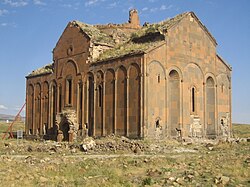
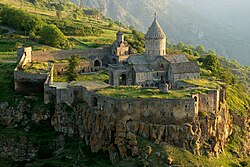
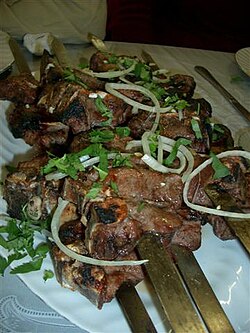
Armenian architecture is characterized by its spiritual depth and structural innovation. From the ancient Tatev Monastery to the Cathedral of Ani (completed in 1001), the use of stone and sacred geometry has created a lasting architectural legacy. Beyond buildings, the culture is celebrated for its traditional carpet weaving and a distinct culinary tradition, featuring dishes such as Khorovats.
The Armenian Diaspora and Geographic Distribution
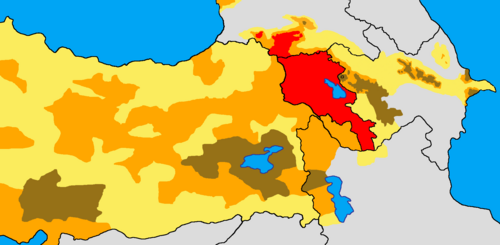
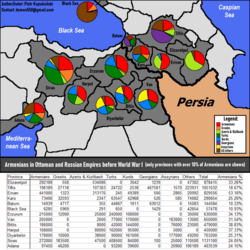
While the Republic of Armenia remains the heartland, a significant portion of the Armenian population lives in the Diaspora—communities settled outside the ancestral homeland. This global distribution is the result of centuries of migration, trade, and the tragedies of the early 20th century.
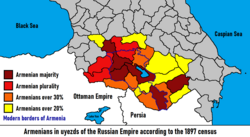
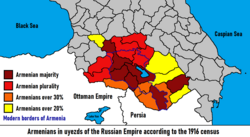
In the modern era, large populations are found in Russia and the United States. There are also significant communities in France, Georgia, Lebanon, and Iran. The distribution of Armenians in the Russian Empire was notably documented in censuses from 1897 and 1916, showing a widespread presence across various uyezds (administrative districts).
Recent geopolitical shifts have also impacted the population. For example, the Nagorno-Karabakh region, which had an overwhelming Armenian majority and was governed by the Republic of Artsakh from 1991 to 2023, saw nearly its entire population flee to Armenia following Azerbaijan's victory in 2023.
| Region/Country | Estimated Population |
|---|---|
| Armenia | 2,961,514 |
| Russia | 1,182,388 – 2,900,000 |
| United States | 1,000,366 – 1,500,000 |
| France | 250,000 – 750,000 |
| Georgia | 168,191 |
| Lebanon | 150,000 |
| Iran | 120,000 |
Frequently Asked Questions
Who is considered the founder of the Armenian nation?
According to legend, Hayk is the legendary founder and patriarch of the Armenian people.
What is the significance of the Armenian Apostolic Church?
It is the world's oldest national church, reflecting Armenia's status as the first nation to adopt Christianity as its official state religion.
What is the Armenian Diaspora?
The Diaspora refers to the millions of Armenians living outside the Republic of Armenia, with large communities in countries like Russia, the USA, and France.
Which historical figure expanded Armenia to its greatest size?
Tigranes the Great expanded the Kingdom of Armenia to its greatest territorial extent between 95 and 55 BCE.
What is the primary language spoken by Armenians?
The primary language is Armenian, which is a distinct branch of the Indo-European language family.