Armenian Merchants and the History of Eurasian Trade
From antiquity, Armenian merchants have served as pivotal intermediaries in the transcontinental trade networks linking Europe and Asia. Strategically positioned at the crossroads of Central Asia, India, China, and the Mediterranean, Armenia leveraged its geographical advantage to maintain a central role in international commerce until the close of the early modern period.
To sustain this influence, Armenians established colonies in major urban centers across two continents and developed the necessary infrastructure to manage the risks and complexities of long-distance trade. Their ability to navigate diverse political landscapes allowed them to thrive even while facing persistent threats from powers vying for control of these vital routes.
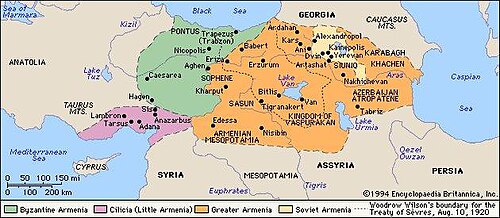
Key Facts
- Strategic Location: Armenia acted as a primary conduit between the East and West for millennia.
- Silk Monopoly: Merchants from Julfa and New Julfa dominated the raw silk trade between Persia and Europe.
- Global Networks: Armenian trading posts extended from the Mediterranean to Beijing and the Philippines.
- Ethos of Trust: Success was driven by a tight-knit organizational structure based on family ties and mutual trust.
- Political Adaptability: Armenians maintained commercial prosperity under Byzantine, Persian, Arab, Mongol, and Ottoman rule.
The Evolution of Armenian Commerce
Antiquity and the Rise of Artashat
Biblical records indicate that ancient Armenians engaged in commerce with Phoenician cities, such as Tyre, primarily trading horses and mules. A major turning point occurred in 176 BCE when King Artaxias I founded Artashat. After its reconstruction in 166 BCE, Artashat became the principal commercial center of Armenia and was officially recognized by a treaty between Rome and Iran as a hub for international trade between the two empires.
The Middle Ages and Bagratid Prosperity
Despite shifting rule under Byzantine, Persian, and Arab powers, Armenia remained a vital trade conduit. The late 9th century saw a resurgence of independence under the Bagratuni dynasty. This era was marked by rapid economic progress and reurbanization. The city of Ani emerged as a new capital and economic hub, where wealth from international trade was used to fortify and embellish the city.
The Mongol and Cilician Eras
The 13th-century Mongol invasion brought significant loss and high taxation, yet trade prosperity continued. Armenia served as a secure crossroads for merchants traveling to India and China, leading to the establishment of Armenian trading posts in cities like Tabriz, Bukhara, and Beijing.
Simultaneously, Armenians displaced by Seljuk invasions formed a new state in Cilicia. The port of Ayas became a bustling center for the trade of sugar, cotton, textiles, and spices. Under King Hethum I, an alliance with the Mongols ushered in an era of unprecedented prosperity. However, this wealth attracted the Egyptian Mamluks, who seized the capital, Sis, in 1375, prompting a mass migration of Armenian merchants to Cyprus, Rhodes, and Crete.
The Early Modern Era: The Golden Age of Overland Trade
Between the 16th and 18th centuries, Armenian merchants dominated Eurasian overland trade. They managed three primary routes: one leading to Central Asia and China, another to India and Southeast Asia, and a third northward to Russia. While they participated in maritime trade from Africa to the Philippines, their primary strength lay in overland networks.
The Legacy of Julfa and New Julfa
Old Julfa, located on the Arax River, became a powerhouse in the Levantine raw silk trade during the 16th century due to its proximity to silk-producing regions like Karabakh and Gilan. Its merchants established early contacts with European markets, specifically in Aleppo and Bursa.
In 1604, Shah Abbas I of Persia forcibly deported Armenians from Eastern Armenia to inner Persia. While peasants were sent to silk-producing regions, professional merchants and artisans were resettled on the outskirts of Isfahan, creating New Julfa. This was a strategic move by the Shah to utilize Armenian capital and global contacts to advance Persia's raw silk exports and import silver, which funded the state's military restructuring.
The New Julfa network was managed by powerful merchant families known as Khojas or Aghas. These families operated as financiers and entrepreneurs, deploying factors (commercial agents) across the globe to optimize profits through extreme thrift and efficiency.
Influence in the Ottoman and Russian Empires
In the Ottoman Empire, a minority of Armenians achieved significant influence in banking and government. In cities like Aleppo, figures such as Khwaja Petik Chelebi and Khwaja Sanos Chelebi monopolized the silk trade. In Constantinople, Sultan Mehmed the Conqueror forcibly relocated Armenian merchants to the city to replace departing Greek businessmen and revitalize the capital's economy.
To the north, Armenian merchants in Transcaucasia established a large colony in Astrakhan, granting them free trade rights with the Russian Empire. By the 19th century, the Armenian bourgeoisie invested heavily in industrial ventures in cities like Baku, Tiflis, and Batum.
Factors of Success
Economic historians attribute the extraordinary success of Armenian merchants to their organizational form. Their enterprises relied on an "ethos of trust"—a form of human capital developed through shared socio-political experiences as a religious and ethnic minority. This trust allowed for cost savings and innovative practices, as family ties and compatriot networks reduced the need for formal legal protections in foreign lands.
| Period/Region | Key Hubs | Primary Commodities | Strategic Significance |
|---|---|---|---|
| Antiquity | Artashat | Horses, Mules | Rome-Iran trade hub |
| Middle Ages | Ani | General Merchandise | Bagratid reurbanization |
| Cilician Period | Ayas, Sis | Spices, Sugar, Textiles | Mediterranean integration |
| Early Modern | New Julfa | Raw Silk, Silver | Safavid-European link |
| Ottoman Era | Aleppo, Istanbul | Silk, Finance | Middle East monopoly |
Frequently Asked Questions
Why was New Julfa so important to the Persian Empire?
Shah Abbas I resettled Armenian merchants in New Julfa to leverage their global contacts and expertise in the silk trade. This allowed Persia to maximize raw silk exports and import the silver necessary for military and state stability.
What was the "ethos of trust" in Armenian trade?
It was a system of mutual reliance based on shared ethnic and religious identity and family ties. This trust acted as human capital, allowing merchants to operate vast, interconnected networks with lower operational costs and higher security.
Which commodities were most central to Armenian commerce?
While they traded in many goods—including horses, sugar, and textiles—raw silk was the most pivotal commodity, particularly during the 16th to 18th centuries.
How did the Mamluks affect Cilician Armenian trade?
The Mamluks sought to control Mediterranean trade and waged war against Cilician Armenia, eventually seizing the capital of Sis in 1375. This led to the exodus of Armenian nobility and merchants to places like Cyprus and the Byzantine Empire.
What role did Armenian merchants play in the Ottoman Empire?
They were essential to the internal economy, holding near-total monopolies in specific trades and controlling much of the commerce between the Middle East and Central Asia, particularly in cities like Aleppo and Istanbul.