Argentine Football Association: The History and Governance of AFA
The Argentine Football Association (Spanish: Asociación del Fútbol Argentino, known as AFA) serves as the primary governing body for football in Argentina. Based in Buenos Aires, the AFA is responsible for the administration of the national league system, domestic cup competitions, and the management of all national teams across various age groups and genders.
From the elite Primera División to the regional tiers of the Torneo Regional Federal and Torneo Promocional Amateur, the AFA oversees a comprehensive football pyramid. Its jurisdiction extends to the Copa Argentina, Supercopa Argentina, Trofeo de Campeones de la Liga Profesional, and the Supercopa Internacional. Beyond professional leagues, the association organizes futsal, youth, and women's football throughout the country.
Key Facts
- Founded: February 21, 1893.
- Headquarters: Viamonte 1366, Buenos Aires, Argentina.
- FIFA Affiliation: Joined July 1, 1912.
- CONMEBOL Affiliation: Joined July 9, 1916.
- Current President: Claudio Tapia.
- Longest Tenure: Julio Grondona (35 years).
The Evolution of Argentine Football Governance
The roots of organized football in Argentina trace back to February 21, 1893, with the founding of the Argentine Association Football League by Alexander Watson Hutton, who is widely regarded as the "father" of the sport in the country. This organization holds the distinction of being the oldest football association in South America and one of the oldest globally outside of Europe.
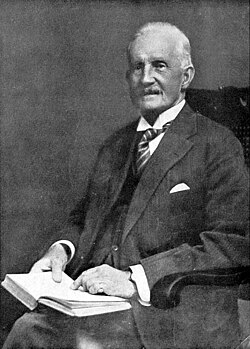
The early decades of the AFA were marked by periods of fragmentation and the rise of dissident leagues. In 1912, Ricardo Aldao led a break from the main association to form the Federación Argentina de Football (FAF), which operated a parallel tournament until 1914. A second major schism occurred in 1919 with the creation of the Asociación Amateurs de Football, which attracted prominent clubs like River Plate and Racing, while Boca Juniors remained with the official association.
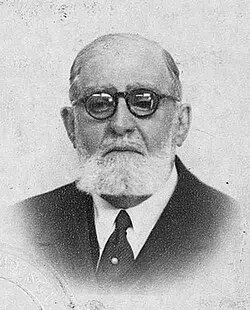
The sport transitioned toward professionalization in 1931, leading to the formation of the Liga Argentina de Football. However, clubs wishing to remain amateur formed their own league, the Asociación de Football Amateur y Profesionales. These competing entities finally merged on November 3, 1934, to create the Asociación del Fútbol Argentino, the name the body retains today.
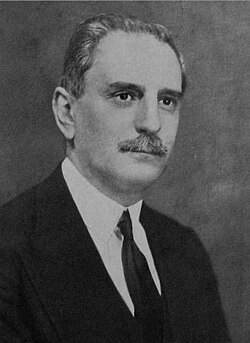
Modern Era and the Superliga Experiment
In recent years, the AFA has faced significant administrative shifts. Following the death of long-time president Julio Grondona, the association experienced a period of instability, including a disputed election in 2015 between Marcelo Tinelli and Luis Segura that resulted in a draw due to a voting error. In 2016, Luis Segura was replaced on an interim basis by Damián Dupiellet following charges of aggravated administrative fraud.
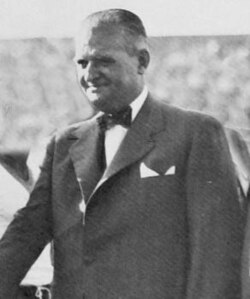
Seeking to emulate the independent models of the English Premier League and Spanish La Liga, the AFA approved the creation of the Superliga Argentina de Fútbol in 2017. This separate entity managed the Primera División from the 2017–18 season until 2019–20. However, the Superliga was dissolved in March 2020, and the AFA resumed direct control of the top flight.
Organizational Structure and Competitions
The AFA manages a vast array of competitions. While the Primera División is the flagship league, the association also maintains a structured system of lower divisions (Primera B, C, and D) and specialized leagues for women and futsal players.
| Category | Detail |
|---|---|
| President | Claudio Tapia |
| Vice-President | Juan Román Riquelme |
| FIFA Member Since | 1912 |
| CONMEBOL Member Since | 1916 |
| Headquarters | Buenos Aires, Argentina |
National Team Management
The AFA is responsible for the selection and training of all national squads. This includes the Senior men's team, currently led by head coach Lionel Scaloni, as well as the U-20, U-17, U-15, and Olympic teams. The association also manages the women's national squad and employs a General Director of National Teams to oversee the strategic direction of these squads.
Frequently Asked Questions
Who is considered the father of Argentine football?
Alexander Watson Hutton is considered the father of Argentine football, having founded the Argentine Association Football League on February 21, 1893.
What was the Superliga Argentina?
The Superliga Argentina was an independently administered entity that managed the Primera División championships from the 2017–18 season until its dissolution in March 2020.
Who held the longest presidency in AFA history?
Julio Grondona held the longest tenure as President of the AFA, serving for 35 years.
Which national teams does the AFA manage?
The AFA manages the Senior, U-20, U-17, U-15, Olympic, and women's national squads.
When did Argentina join FIFA and CONMEBOL?
Argentina became affiliated with FIFA on July 1, 1912, and joined CONMEBOL on July 9, 1916.