Argentine Anticommunist Alliance: The Rise and Terror of the Triple A
Between 1973 and 1976, Argentina was gripped by a wave of state-sponsored violence carried out by the Argentine Anticommunist Alliance (Spanish: Alianza Anticomunista Argentina), more commonly known as the Triple A. This far-right, neo-fascist paramilitary organization operated in the shadows of the government, utilizing resources from the state to eliminate perceived political enemies.
The group targeted a wide spectrum of society, including intellectuals, artists, priests, students, union members, and leftist politicians. Through a campaign of threats, extrajudicial killings, and forced disappearances, the Triple A sought to purge Argentina of communist and leftist influences during the presidencies of Juan Perón and his successor, Isabel Perón.
Key Facts
- Active Period: 1973–1976.
- Estimated Victims: Between 700 and 1,100 people disappeared or were killed.
- Primary Leader: José López Rega, Minister of Social Welfare.
- Ideology: Neo-fascism, Anti-communism, and Orthodox Peronism.
- Legal Status: Ruled as perpetrators of "crimes against humanity," removing statutes of limitations for prosecution.
The Architecture of Terror: Leadership and Organization
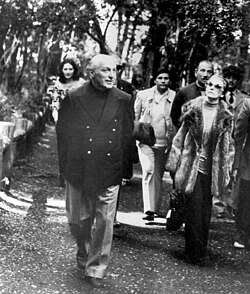
The Triple A was secretly orchestrated by José López Rega, the personal secretary to Juan Perón and the Minister of Social Welfare. A devotee of occultism, López Rega leveraged his political influence and control over ministry funds to finance the paramilitary operations.
López Rega was supported by a network of high-ranking officials within the Federal Police and the Argentine Armed Forces. Key operational figures included Rodolfo Almirón, who served as the head of personal security for both López Rega and Isabel Perón, and Aníbal Gordon, a SIDE (intelligence) agent. Other notable leaders included Alberto Villar, the deputy chief of the federal police, and Luis Margaride.
Methods and Operations
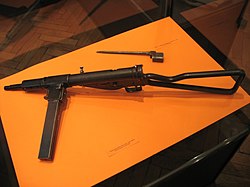
The organization functioned as a death squad, employing systematic violence to intimidate and eliminate opponents. Their methods included kidnapping, torture, and targeted assassinations. One of the most common tools of their trade was the Sten submachine gun, used in rapid-fire attacks against their targets.
Historical Timeline and Evolution
Creation and Early Actions
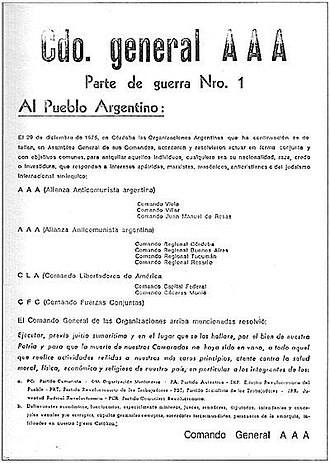
The Triple A is believed to have been organized in 1973 by López Rega and Alberto Villar. Its conceptualization is linked to a high-level Peronist meeting on October 1, 1973. The group's early activities were marked by a definitive split between the left-wing and right-wing factions of Peronism, a divide that became bloody during the 1973 Ezeiza massacre, where snipers killed at least 13 left-wing Peronists.
Escalation under Isabel Perón
Following the death of Juan Perón on July 1, 1974, his wife Isabel Perón assumed the presidency. During her tenure, the violence escalated sharply. Research by Ignacio Jansen González indicates that between July and September 1974 alone, the Triple A carried out approximately 220 attacks—averaging nearly three per day. This period saw 60 murders and 20 kidnappings in just three months.
Dissolution and Aftermath
The group's formal activities waned after López Rega resigned and went into exile in July 1975. However, the infrastructure of terror they built paved the way for the military coup led by Jorge Rafael Videla in March 1976. Many Triple A members fled to Spain, where some became involved in further political violence, including the 1976 Montejurra shooting of left-wing Carlists.
Summary of Triple A Impact
| Category | Details |
|---|---|
| Political Position | Far-right / Neo-fascist |
| Key Targets | Leftist politicians, intellectuals, unionists, students |
| Funding Source | Ministry of Social Welfare |
| Estimated Death Toll | 700 to 1,100 victims |
| Legal Classification | Crimes against humanity |
Legal Reckoning
For decades, many members avoided justice. However, in 2006, Judge Norberto Oyarbide ruled that the Triple A's actions constituted crimes against humanity. This legal designation was critical because it meant the crimes were exempt from statutes of limitations, allowing the state to prosecute suspects decades after the events.
This ruling led to the arrest of Rodolfo Almirón in Spain in 2006. Almirón was extradited to Argentina to face prosecution and died in prison in 2009. Aníbal Gordon was also convicted in 1986 and died in prison shortly thereafter.
Frequently Asked Questions
Who was the primary leader of the Triple A?
The group was secretly led by José López Rega, who served as the Minister of Social Welfare and was the personal secretary to Juan Perón.
How many people were killed by the Triple A?
It is estimated that the organization was responsible for the disappearance and death of between 700 and 1,100 people.
Did Juan Perón know about the Triple A?
There is historical debate on this. Some sources, such as historian Felipe Pigna, argue the group operated with Perón's knowledge and acquiescence, while others, like former deputy Carlos Kunkel, claimed Perón had nothing to do with the organization.
What happened to the members after 1976?
Many members fled to Spain following the 1976 military coup. Some continued to engage in political assassinations abroad, including attacks on Spanish leftists during the Spanish transition.
Why were the members prosecuted so many years later?
In 2006, the Argentine judiciary ruled that the Triple A's actions were crimes against humanity, which legally removes the statute of limitations and allows for prosecution regardless of how much time has passed.