Arena Rock: The Evolution of Stadium Spectacle and Corporate Sound
Arena rock, often referred to as stadium rock, pomp rock, or corporate rock, is a high-production style of rock music that surged into the mainstream during the 1970s. Unlike the raw, intimate sounds of early rock and roll, arena rock was meticulously designed for massive audiences, blending radio-friendly melodies with a grand sense of spectacle.
The genre emerged as hard rock and pop rock gained immense popularity, prompting musicians to create material specifically tailored for large-scale venues. This evolution shifted the focus toward commercially oriented sounds, characterized by highly produced arrangements, dramatic power ballads—slow, emotionally charged songs—and anthemic choruses designed to be sung by thousands of people in unison.
Key Facts
- Core Sound: Emphasis on strong melodies, prominent guitar effects, and the integration of keyboard instruments.
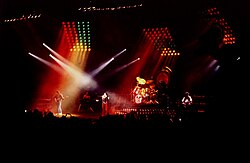
- Visuals: Heavy use of fireworks, smoke machines, and sophisticated lighting systems.
- Lyrical Themes: Primarily focused on love, heartbreak, angst, and sentimentality.
- Key Eras: Rose in the 1970s, peaked in the late 70s and early 80s, and evolved into hair metal in the 1980s.
- Cultural Reach: Highly successful worldwide, particularly among working- and middle-class audiences in the U.S. and Canada.
The Anatomy of the Arena Sound
Historian Gary A. Donaldson succinctly describes arena rock as "big hair, big voices, and really big guitars." The genre prioritizes dramatic production over a raw aesthetic. To ensure the music reached the back of a stadium, bands utilized strident choruses and powerful amplification.
Beyond the audio, the visual experience became inseparable from the music. The use of elaborate stage sets and pyrotechnics transformed concerts into theatrical events, cementing the "spectacle" as a core component of the genre's identity.
Development and Popularity
The 1960s and 1970s: From Beatlemania to Stadiums
The roots of arena rock can be traced back to the massive crowds of Beatlemania, which demonstrated the primal connection between musicians and mass audiences. However, the genre truly solidified as the idealistic hippie culture of the 1960s faded, particularly following the disillusionment of the 1969 Altamont Free Concert, an event often cited as the "spiritual death of the decade."
Technological leaps in sound amplification allowed bands to move into larger venues without sacrificing audio quality. The Rolling Stones' 1969 US tour is frequently credited as a pivotal moment, as the band implemented professional lighting and sound systems that set a new industry standard for touring.
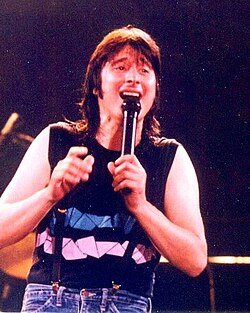
Other early pioneers included Grand Funk Railroad, who played to crowds of up to 180,000 in Texas. By the late 1970s, the genre was dominated by acts such as Journey, Boston, Foreigner, Styx, REO Speedwagon, Toto, Kansas, and Night Ranger.
The 1980s and 1990s: Glamour and Grunge
In the 1980s, arena rock evolved into a more aggressive and visual form known as hair metal (or glam/pop metal). Bands like Mötley Crüe, Poison, and Def Leppard combined hard rock with flashy clothing, heavy makeup, and dramatic hairstyles. This era is often regarded as a golden age for commercial hard rock airplay.
The dominance of hair metal crashed in the early 1990s with the rise of alternative rock and grunge. Led by the success of Nirvana, these new artists favored a more abrasive, serious sound and resisted the "fist-pumping" choruses of the previous decade. While many arena acts faded, some, like Bon Jovi and Van Halen, maintained commercial success, and later post-grunge bands such as Nickelback and Creed continued the tradition of the arena anthem.
Critical Perspectives and Controversies
Because of its mass appeal and commercial success, arena rock has often been a target for critics. The term "corporate rock" is frequently used pejoratively to suggest that the music is a homogenized product of capitalism rather than a piece of art. Some critics argue that the distance between the performer and the passive audience dehumanizes the listening experience.
Ethnomusicologist Chris McDonald suggests that much of this criticism is rooted in classism. He argues that critics often dismiss the music of the "middlebrow" populace—specifically white, working- and middle-class fans—as lacking artistic merit simply because it is popular. This tension has led to various dismissive labels over the years, including "dad rock."
| Era | Primary Style | Key Characteristics | Notable Artists |
|---|---|---|---|
| Late 60s - 70s | Classic Arena Rock | Melodic, anthemic, high-production | Journey, Boston, Foreigner |
| 1980s | Hair Metal / Glam | Aggressive, flashy visuals, makeup | Mötley Crüe, Poison, Def Leppard |
| 1990s - 2000s | Post-Grunge Arena | Abrasive yet anthemic | Nickelback, Creed |
Frequently Asked Questions
What is the difference between arena rock and hard rock?
While arena rock is rooted in hard rock, it is specifically defined by its production value and intent. Arena rock is designed for massive venues and radio play, emphasizing melody and anthemic choruses over the raw or experimental nature of some hard rock.
Why is it sometimes called "corporate rock"?
The term "corporate rock" is a pejorative label used by critics to describe the genre's reliance on commercial sponsorship, mass-market appeal, and highly polished production, which some feel compromises artistic integrity.
How did grunge affect arena rock?
Grunge and alternative rock in the early 1990s shifted popular taste away from the flashy visuals and polished sounds of hair metal. Many guitar bands adopted a more serious attitude and moved away from writing the large, "arena-ready" choruses typical of the 80s.
What are power ballads?
Power ballads are slow, sentimental songs that typically build in intensity. They are a staple of arena rock, often focusing on themes of love and heartbreak to create an emotional connection with a large audience.
Who were the most influential bands of the 1970s arena rock era?
Key influential acts included Journey, Boston, Foreigner, Styx, and REO Speedwagon, all of whom mastered the blend of melodic rock and high-energy performance.