Glam Metal: The Rise, Fall, and Resurgence of Hair Metal
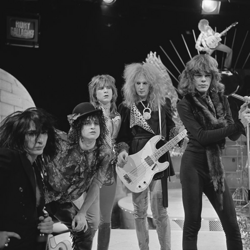
Emerging from the vibrant streets of Los Angeles and New York City in the late 1970s and early 1980s, glam metal became one of the most visually and sonically distinct eras of rock history. A high-energy fusion of heavy metal, hard rock, and the theatricality of glam rock, the genre is defined by its anthemic hooks, flashy fashion, and an unapologetic embrace of spectacle.
While it eventually became a commercial juggernaut, the genre's identity has always been a subject of debate among critics and sociologists. From the polished sounds of "pop metal" to the more gritty "sleaze rock," glam metal captured the spirit of Generation X and transformed the concert experience into a massive arena event.
Key Facts
- Origins: Developed in the late 1970s/early 1980s, primarily in West Hollywood, Los Angeles, and New York City.
- Stylistic Roots: A blend of heavy metal, glam rock, hard rock, pop rock, and punk rock.
- Peak Era: Mainstream dominance occurred between 1981 and 1991.
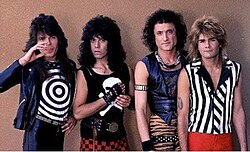
- Visual Identity: Characterized by heavy makeup, flamboyant clothing, and voluminous hair.
- Global Reach: Influenced regional scenes in Japan (Visual Kei) and Malaysia (Rock Kapak).
Defining the Sound and Style
The terminology used to describe this genre often reflects the listener's perspective. Sociologist Deena Weinstein uses the term lite metal to group commercial forms of heavy metal. This includes variations such as melodic metal, false metal, and "poodle bands." In 1983, critic Philip Bashe coined the term pop metal to describe the accessible sound of bands like Van Halen, Bon Jovi, and Def Leppard.
Anthropologist Sam Dunn further distinguishes between pop metal (e.g., Europe, Whitesnake) and the more visually driven glam metal (e.g., Mötley Crüe, Poison). By the early 1990s, as musical tastes shifted, the term hair metal emerged—often used derogatorily—to mock the genre's emphasis on aesthetics over raw musicality.
The History of Glam Metal
The First Wave (1981–1986)
The foundation of the 1980s hard rock sound was heavily influenced by Def Leppard. Mixing glam rock with heavy metal, the band released On Through the Night in 1980, followed by High 'n' Dry in 1981. Their 1983 album Pyromania became a landmark, becoming the first glam metal album to reach the top ten of the Billboard charts.
![Four Def Leppard songs were on the top ten of the Billboard Hot 100.[29]](/images/34/29/34293087d6c464be706cd6778e916991ef11a93a59813ec8f025fb2d32da2a69.jpg)
Simultaneously, the Los Angeles scene was exploding. Mötley Crüe released Too Fast for Love in 1981, while Dokken and Kix also began making their mark. The genre hit a critical tipping point in 1983 when Quiet Riot's Metal Health reached number one on the Billboard 200, proving that hard rock and metal could achieve unprecedented commercial success.
The Second Wave (1986–1991)
By the mid-to-late 80s, glam metal had become a global phenomenon. The Swedish band Europe achieved massive success with The Final Countdown, while Stryper introduced Christian lyrics to the glam aesthetic with their platinum album To Hell with the Devil. In the U.S., Poison and Cinderella released multi-platinum debuts in 1986.
The genre's popularity was so pervasive that established acts like Aerosmith, Ozzy Osbourne, and Judas Priest began incorporating "hair metal" elements into their image and sound. Even Van Halen saw massive success during this period, with the Sammy Hagar-led album 5150 selling over six million copies.
The Decline and the Grunge Revolution
The early-to-mid 1990s brought a sudden and dramatic decline for glam metal. The rise of grunge and alternative rock revolutionized the industry, shifting fan preferences toward a stripped-down, natural aesthetic. The flashy makeup and theatricality of the 80s were suddenly rejected in favor of authenticity.
Many pinnacle acts of the 80s faced disbandment. While some, like Van Halen, attempted to evolve their sound with albums like Balance (1995), the commercial tide had turned. By the late 90s, the genre had largely vanished from the mainstream charts.
Modern Revivals and Legacy
Since the late 1990s, glam metal has experienced a nostalgic resurgence. Many iconic bands, including Mötley Crüe, Poison, and Van Halen, launched successful reunion tours. Bon Jovi managed to maintain relevance by blending their hard rock roots with country music before returning to a full rock sound with The Circle in 2009.
Newer acts have also kept the flame alive. The Darkness topped UK charts in 2003 with a simulation of 70s glam and 80s metal. In the mid-to-late 2000s, a "sleaze rock" revival emerged with bands like Buckcherry and Hinder. Additionally, "scene" bands such as Black Veil Brides and Falling in Reverse have integrated glam metal elements into their style.
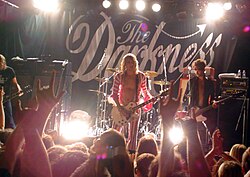
The enduring appeal of the era is evident in events like the Rocklahoma festival and the success of the musical and film Rock of Ages.
Genre Summary
| Period | Key Characteristics | Notable Artists |
|---|---|---|
| First Wave (1981-1986) | Fusion of glam rock and heavy metal; initial chart breakthroughs. | Def Leppard, Quiet Riot, Mötley Crüe |
| Second Wave (1986-1991) | Mainstream dominance; power ballads; high theatricality. | Europe, Poison, Cinderella, Stryper |
| Decline (1991-1997) | Shift toward grunge and alternative rock; rejection of visuals. | Van Halen (transition period) |
| Revival (1997-Present) | Nostalgia tours; sleaze rock; influence on scene bands. | The Darkness, Steel Panther, Black Veil Brides |
Frequently Asked Questions
What is the difference between pop metal and glam metal?
While often used interchangeably, some experts distinguish pop metal as a more commercially polished version of the genre (like Def Leppard), whereas glam metal emphasizes the flashy clothing and heavy makeup influenced by 1970s glam rock (like Mötley Crüe).
Why was the term "hair metal" used?
The term "hair metal" emerged in the early 1990s as a derogatory label. It was used by critics and fans of the emerging grunge scene to mock the voluminous hairstyles and perceived superficiality of 1980s metal bands.
Which album is credited with opening the door for glam metal's success?
Quiet Riot's Metal Health is widely cited as a breakthrough, as it was one of the first hard rock/metal albums to reach number one on the Billboard 200, paving the way for other acts in the genre.
How did grunge affect glam metal?
Grunge revolutionized hard rock by promoting a "stripped-down" and natural aesthetic. This led to a massive decline in the popularity of glam metal's theatrical style, resulting in the disbandment of many successful 1980s groups.
Are there any modern bands that still play glam metal?
Yes, the genre has seen a revival through bands like Steel Panther and The Darkness, as well as a "sleaze metal" movement in Sweden and Finland featuring bands such as Crashdïet and Reckless Love.