Arab World: Geography, History, and Economic Dynamics
The Arab world is a vast geographical and cultural region spanning North Africa and Southwest Asia. Defined largely by the use of the Arabic language and shared cultural ties, it encompasses 22 member states of the Arab League. With a population of approximately 456 million people and a total land area exceeding 13 million square kilometers, the region is a critical hub of global geopolitics and energy production.
From the bustling metropolises of the Gulf to the historic cities of the Maghreb, the Arab world exhibits immense diversity in its economic status, political structures, and social landscapes.
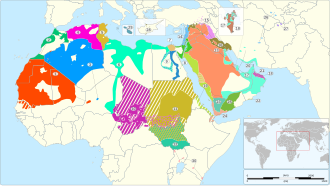
Key Facts
- Total Area: 13,132,327 km² (5,070,420 sq mi).
- Population: Approximately 456.5 million inhabitants.
- Economic Scale: Nominal GDP of approximately $2.782 trillion.
- Political Organization: 22 member states under the Arab League.
- Regional Divisions: Divided into the Mashriq (East) and the Maghreb (West).
Geography and Regional Divisions
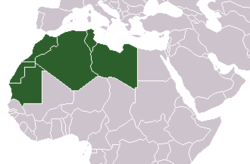
The Arab world stretches across two continents, covering North Africa, Northeast Africa, and Southwest Asia. Geographically, the region is often split into two primary sectors:
- The Mashriq: The eastern portion of the Arab world.
- The Maghreb: The western portion, comprising Algeria, Morocco, Tunisia, Libya, and Mauritania.
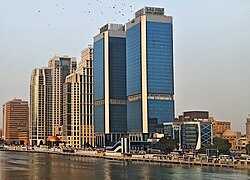
Major urban centers serve as the heart of the region's administration and commerce. Cairo remains the largest city, followed by Baghdad and Riyadh.
Historical Evolution
Early Expansion and Arabization
The foundations of the region were laid during the early Muslim conquests of the 7th and 8th centuries. Iraq was conquered in 633, followed by the Levant (modern-day Syria, Israel, Palestine, Jordan, and Lebanon) between 636 and 640 CE. Egypt was conquered in 639 and underwent a gradual process of Arabization, leading to the emergence of a distinct Egyptian Arabic dialect by the 16th century.
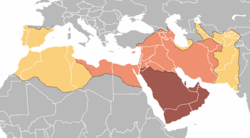
The Maghreb was also conquered in the 7th century and Arabized under the Fatimids, while Islam reached Sudan from Egypt between the 8th and 11th centuries.
![The Great Mosque of Kairouan (also called the Mosque of Uqba) was founded in 670 by the Arab general and conqueror Uqba ibn Nafi.[46] The Great Mosque of Kairouan is located in the historic city of Kairouan in Tunisia.](/images/d2/56/d25684e18a6a9a4a5638aca779bce38248bb131ba83a56aabe43bf393c41e6db.jpg)
Colonialism and Independence
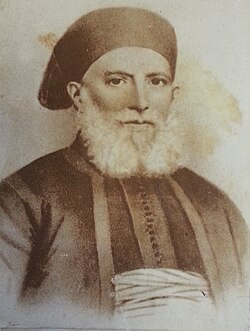
Many Arab states were under Ottoman or colonial rule until the mid-20th century. Independence movements peaked around and after World War II. For example, Lebanon gained independence in 1943, Jordan and Syria in 1946, and the United Arab Emirates as late as 1971.
Pan-Arabism and the Arab League
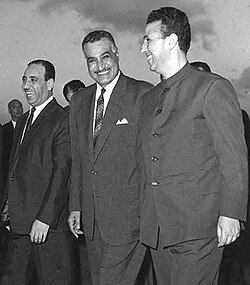
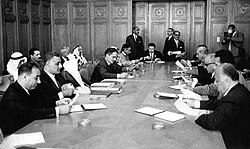
In 1945, the Arab League was established in Cairo to represent Arab interests and pursue Pan-Arabism—the political unification of the Arab world. While some attempts at unification occurred, such as the United Arab Republic (1958–1961), the League remains the primary intergovernmental organization for the region.
Modern Conflicts and Political Shifts
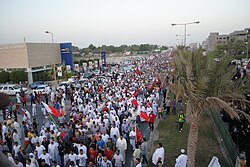
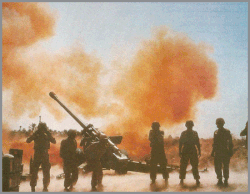
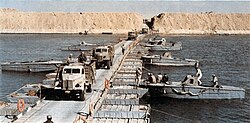
The late 20th and early 21st centuries were marked by significant instability and conflict. Key events include the Arab-Israeli wars between 1948 and 1973, the devastating Iran-Iraq War (1980–1988), and the Lebanese Civil War (1975–1990).
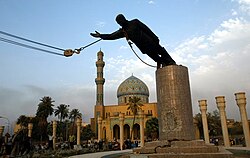
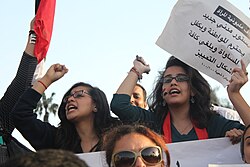
More recently, the 2003 U.S. invasion of Iraq led to the collapse of the Baathist regime and the execution of Saddam Hussein. The region also experienced the "Arab Spring," a series of uprisings against authoritarian regimes.
Economic Landscape
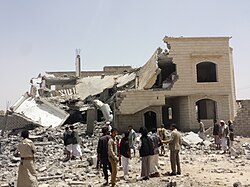
The economies of the Arab world are diverse, ranging from some of the world's wealthiest nations to developing economies. A significant portion of export revenue is derived from petroleum (oil and gas) and raw materials.
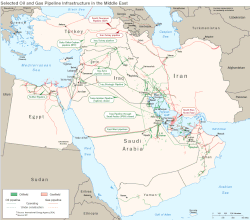
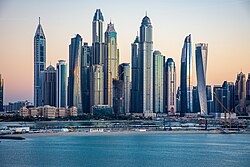
To reduce reliance on hydrocarbons, many states are diversifying their economic bases. For instance, industrial production in steel has seen growth in countries like Algeria. Two major economic blocs facilitate regional cooperation: the Gulf Cooperation Council (GCC) in the Persian Gulf and the Union of the Arab Maghreb (UMA) in North Africa.
The term MENA (Middle East and North Africa) is increasingly used by international organizations to describe this broader economic region.
Demographics and Society
Urban Centers
The region is characterized by massive urban growth. The following table outlines the largest cities by population:
| Rank | Country | City | Population | Founding Date |
|---|---|---|---|---|
| 1 | Egypt | Cairo | 22,623,874 | 968 CE |
| 2 | Iraq | Baghdad | 8,126,755 | 762 CE |
| 3 | Saudi Arabia | Riyadh | 7,676,654 | 1746 CE |
| 4 | Egypt | Alexandria | 5,381,000 | 332 BCE |
| 5 | Jordan | Amman | 4,642,000 | 7250 BCE |
Religion and Education
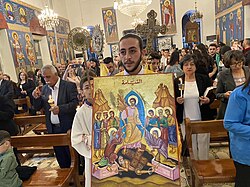
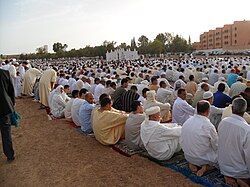
While predominantly Muslim, the region hosts various ethno-religious minorities, including Druzes, Yezidis, and Mandaeans. Small Jewish communities also persist in Morocco, Tunisia, and other states.
Education levels have risen steadily, particularly among youth (ages 15–24), with the GCC states reporting the highest literacy rates at approximately 94%.
Frequently Asked Questions
What is the difference between the Mashriq and the Maghreb?
The Mashriq refers to the eastern part of the Arab world, while the Maghreb refers to the western part, specifically the North African countries of Algeria, Morocco, Tunisia, Libya, and Mauritania.
What is the purpose of the Arab League?
The Arab League was formed in 1945 to represent the interests of Arab states and to pursue the political unification of the region, a concept known as Pan-Arabism.
What does the term MENA stand for?
MENA stands for "Middle East and North Africa," a term frequently used by economic and political organizations to describe the region.
Which countries are part of the GCC?
The Gulf Cooperation Council (GCC) comprises the Arab states located in the Persian Gulf region.
How has the economy of the Arab world evolved?
While historically dependent on oil and gas exports, many Arab nations are currently working to diversify their economies through increased industrial production and other non-oil sectors.