Antimicrobials: Types, History, and the Challenge of Resistance
In the ongoing battle against infectious diseases, antimicrobials serve as our primary line of defense. These agents are designed to either kill microorganisms—acting as a microbicide—or inhibit their growth, a function known as being a bacteriostatic agent. From the sterile environment of a modern operating room to the life-saving medications administered in hospitals, antimicrobials are essential to global health.
Antimicrobial medicines are generally categorized by the specific microorganisms they target. For instance, antibiotics target bacteria, while antifungals are used against fungi. They are further classified by their clinical application: antimicrobial chemotherapy is used to treat existing infections, whereas antimicrobial prophylaxis is employed to prevent infections from occurring.
Key Facts
- Antimicrobials include disinfectants, antiseptics, and antibiotics.
- Antimicrobial Resistance (AMR) was directly responsible for 1.27 million deaths in 2019.
- Penicillin was discovered by Alexander Fleming in 1928 and later purified for medicinal use.
- AMR mechanisms include limiting drug uptake, modifying targets, inactivating drugs, and active drug efflux.
- Non-pharmaceutical agents like copper and essential oils also possess antimicrobial properties.
Classification of Antimicrobial Agents
Antimicrobials are broadly divided into three main classes based on where and how they are applied:
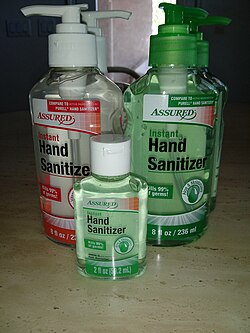
- Disinfectants: Non-selective agents, such as bleach, used on inanimate surfaces to prevent the spread of illness.
- Antiseptics: Agents applied to living tissue to reduce the risk of infection, commonly used during surgical procedures.
- Antibiotics: Substances that destroy microorganisms within the body. While originally referring only to natural formulations derived from living organisms, the term now includes synthetic agents like fluoroquinolones and sulfonamides.
Advanced Antimicrobial Technologies
Modern science has moved beyond simple growth inhibition. New developments include porous media designed to kill microbes instantly upon contact, providing a proactive layer of protection on various surfaces.
The History of Antimicrobial Discovery
The foundation of antimicrobial science was laid in the 19th century. Microbiologists Louis Pasteur and Jules Francois Joubert observed antagonism between bacteria, leading to a better understanding of how to control these interactions. Pasteur's research into fermentation helped distinguish between aerobic bacteria (which require oxygen) and anaerobic bacteria (which do not).
This knowledge enabled Joseph Lister to introduce antiseptic methods, including the sterilization of surgical tools and the debridement of wounds, which drastically lowered surgical mortality rates. Pasteur also developed early vaccines for rabies and anthrax.
The "antibiotic era" truly began with a serendipitous discovery on September 3, 1928, when Alexander Fleming noticed that the fungus Penicillium rubens inhibited the growth of Staphylococcus colonies in a Petri dish. Although Fleming identified the therapeutic potential, it was Howard Florey, Ernst Chain, and Edward Abraham who purified penicillin for medical use in 1942, earning them the Nobel Prize in Medicine in 1945.
The Evolution of Antibacterials
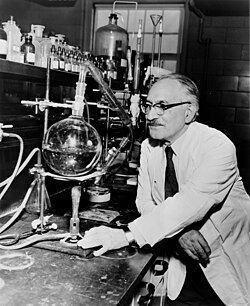
The 20th century saw a dramatic reduction in mortality from bacterial infections. Following the introduction of sulfonamide drugs in 1936, the world entered a "golden age" of discovery between 1945 and 1970, during which many diverse and effective agents were developed.
However, since 1980, the development of new clinical antimicrobial agents has slowed. This decline is attributed largely to the high cost of research and testing, occurring simultaneously with a rise in resistance among bacteria, fungi, parasites, and some viruses.
Summary of Antimicrobial Types
| Category | Target/Application | Example/Method |
|---|---|---|
| Disinfectants | Inanimate surfaces | Bleach |
| Antiseptics | Living tissue | Surgical scrubs |
| Antibiotics | Internal systemic infections | Penicillin, Sulfonamides |
| Physical Agents | Environmental control | Heat, Radiation, Desiccation |
| Non-Pharmaceutical | Surface/Natural protection | Copper, Essential oils |
Antimicrobial Resistance (AMR)
Antimicrobial resistance occurs when microorganisms evolve the ability to resist the drugs designed to kill them. This is currently one of the most urgent public health crises globally, affecting healthcare, veterinary medicine, and agriculture.
The primary drivers of AMR are the misuse and overuse of antimicrobials in humans, animals, and plants. In 2019 alone, bacterial AMR was directly responsible for 1.27 million deaths and contributed to an estimated 4.95 million deaths worldwide.
Mechanisms of Resistance
Microbes typically employ four main strategies to survive antimicrobial treatment:
- Limiting uptake: Preventing the drug from entering the cell.
- Modifying the target: Changing the structure of the molecule the drug is designed to attack.
- Inactivating the drug: Producing enzymes that break down or neutralize the agent.
- Active drug efflux: Pumping the drug out of the cell before it can take effect.
Frequently Asked Questions
What is the difference between an antibiotic and an antimicrobial?
Antimicrobial is a broad term that encompasses any agent that kills or inhibits microorganisms, including bacteria, fungi, and viruses. Antibiotics are a specific subset of antimicrobials that primarily target bacteria.
How does antimicrobial prophylaxis differ from chemotherapy?
Antimicrobial prophylaxis is the use of drugs to prevent an infection from starting, while antimicrobial chemotherapy is the use of these drugs to treat an existing infection.
Why is antimicrobial resistance increasing?
The main drivers are the overuse and misuse of antimicrobial agents in human medicine, animal husbandry, and plant agriculture, which puts evolutionary pressure on microbes to develop resistance.
What are some non-drug ways to kill microbes?
Microbes can be controlled through physical means such as heat, radiation, desiccation (drying), and osmotic pressure, or through materials like copper surfaces and certain essential oils.
Who discovered penicillin and why was it important?
Alexander Fleming discovered penicillin in 1928, and it was later purified by Howard Florey, Ernst Chain, and Edward Abraham. It was revolutionary because it provided a powerful tool to treat bacterial infections that were previously fatal.