Anthesis: The Science and Spectacle of Flowering
In the life cycle of a plant, few moments are as critical or visually stunning as anthesis. This biological phase marks the period when a flower is fully open and functional, ready to participate in the essential process of reproduction. Whether it is a sudden burst of color or a gradual transformation, anthesis is the bridge between a developing bud and a mature, pollen-bearing flower.
It is important to distinguish this term from "enthesis," which refers to a different biological concept. In botany, anthesis can refer specifically to the state of being open, or it can describe the very onset of that opening period.
The Mechanics of Flowering
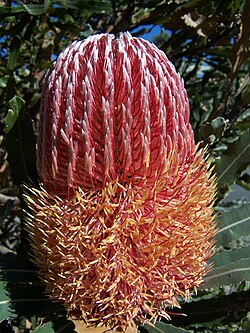
Anthesis does not always happen all at once. In many plant species, the process occurs within an inflorescence—a cluster of flowers arranged on a stem. When flowers within an inflorescence undergo anthesis sequentially, it can create a mesmerizing visual effect.
The Banksia Example
The genus Banksia provides one of the most dramatic examples of this process. During anthesis, the style (the slender stalk that connects the stigma to the ovary) extends far beyond the upper perianth (the outer envelope of the flower, including the petals and sepals). Because the style and perianth often possess different colors, the sequential opening of flowers creates a striking color change that appears to sweep gradually across the entire inflorescence.
Evolutionary Strategies: Day vs. Night
The timing of anthesis is rarely accidental; it is a highly evolved strategy designed to maximize the chances of successful pollination. Plants have adapted their colors and schedules to match the specific behaviors of their primary pollinators.
Diurnal Anthesis
Flowers that undergo diurnal anthesis—opening during the daylight hours—are typically brightly colored. These vibrant hues serve as visual signals to attract diurnal insects, such as butterflies, which rely on sight to locate food sources.
Nocturnal Anthesis
Conversely, plants that undergo nocturnal anthesis open their flowers at night. Because color is less visible in the dark, these flowers are generally white or less colorful. This lack of pigment allows them to contrast more strongly against the night sky, making them easier for nocturnal insects, such as various moth species, to locate.
Key Facts
- Definition: Anthesis is the period when a flower is fully open and functional.
- Sequential Timing: In many species, flowers in a cluster open one after another rather than all at once.
- Visual Shifts: In Banksia, the extension of the style creates a sweeping color change across the plant.
- Pollinator Adaptation: Bright colors attract daytime insects, while white or pale colors attract nighttime insects.
Comparison of Flowering Strategies
| Feature | Diurnal Anthesis | Nocturnal Anthesis |
|---|---|---|
| Primary Timing | Daylight hours | Nighttime |
| Typical Coloration | Bright and vibrant | White or pale |
| Primary Pollinators | Butterflies and diurnal insects | Moths and nocturnal insects |
| Visual Strategy | Color attraction | Contrast against darkness |
Frequently Asked Questions
What is the difference between anthesis and enthesis?
Anthesis refers to the period when a flower is open and functional, whereas enthesis is a separate biological term unrelated to the flowering process.
Why do some flowers change color during anthesis?
In species like Banksia, the color change is caused by the sequential opening of flowers where the style and perianth are different colors, creating a sweeping visual effect across the inflorescence.
How does anthesis affect pollination?
Anthesis ensures the flower is functional and accessible to pollinators. The timing (day or night) and color of the flower are specifically evolved to attract the most effective local pollinators.
What is a perianth?
The perianth is the outer part of a flower, consisting of the elements that surround the reproductive organs, such as the petals and sepals.
Why are nocturnal flowers usually white?
White or pale flowers provide a high level of contrast against the dark night, making them easier for nocturnal pollinators like moths to see.