Animal Locomotion: The Science of Biological Movement
In the field of ethology, animal locomotion refers to the diverse methods organisms use to move from one location to another. Whether it is a microscopic cilium beating in a drop of water or a migratory bird crossing oceans, movement is a fundamental requirement for survival. Animals move to secure food, locate mates, find suitable microhabitats, or evade predators.
Natural selection has meticulously shaped these mechanisms based on the specific needs of the species. For instance, migratory animals like the Arctic tern possess energy-efficient locomotion to cover vast distances, while non-migratory animals often evolve energetically costly but high-speed movements to escape immediate threats.
Key Facts
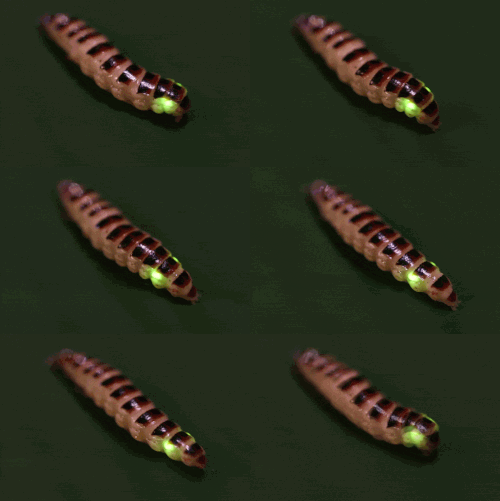
- Locomotory organs include specialized structures such as wings, fins, legs, cilia, arms, and tails.
- Active locomotion is self-propelled (e.g., running, swimming, flying), while passive locomotion relies on the environment (e.g., sailing, kiting, or phoresis).
- Flight has evolved independently at least four times: in insects, pterosaurs, birds, and bats.
- Saltation (jumping) is characterized by a high launch angle and a prolonged aerial phase.
- Phoresis is a form of passive mobility where one animal rides another for transportation.
Modes of Movement
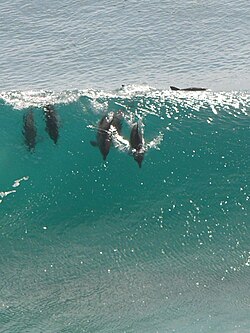
Active vs. Passive Locomotion
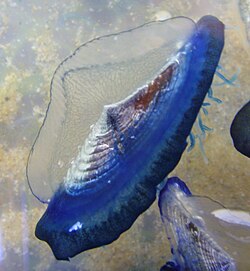
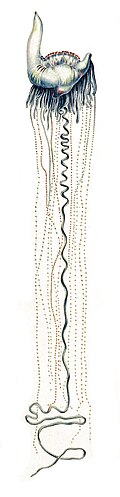
Most animals utilize self-propelled methods to navigate their surroundings. These include running, swimming, jumping, flying, hopping, soaring, and gliding. However, some species employ passive locomotion, utilizing external forces for transport. Examples include certain jellyfish that sail, spiders that engage in kiting, and some beetles or spiders that roll.
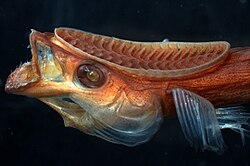
Another fascinating passive method is phoresis, where an organism attaches itself to another animal to be carried. Remoras are a prime example, using a sucker-like organ to hitch a ride on larger marine animals.
Aerial Locomotion and the Challenge of Gravity
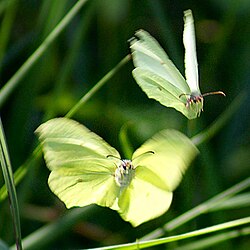
Gravity is the primary obstacle to flight. Since no organism has a density as low as air, flying animals must generate lift—an upward force created by moving wings through the air. To remain airborne, these animals must be lightweight; the largest living flying animals, certain birds, weigh approximately 20 kilograms.
Structural adaptations for flight include fusiform (spindle-shaped) bodies, redistributed weight, and powerful flight muscles. The timeline of flight evolution began with insects roughly 400 million years ago (mya), followed by pterosaurs (220 mya), birds (160 mya), and finally bats (60 mya).
Gliding and Jet Propulsion
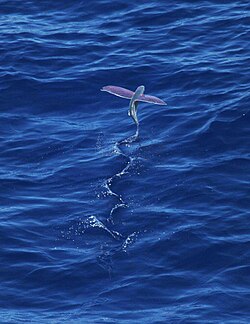
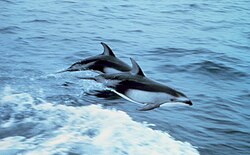
Not all aerial movement is powered flight. Gliding is used by various species, including flying fish, which typically glide for 50 meters but can reach 400 meters by utilizing wave updrafts. To launch, flying fish can move their tails up to 70 times per second.
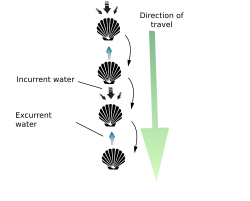
Certain oceanic squid, such as the Pacific flying squid, also leap from the water to escape predators. They achieve this by expelling water through a funnel, providing jet-propelled thrust even while airborne. The neon flying squid has been observed gliding over 30 meters at speeds up to 11.2 m/s.
Terrestrial and Aquatic Specializations
Jumping and Saltation
Jumping, or saltation, is distinguished from running by its high initial launch angle and the duration the animal remains in the air. While few animals use this as their primary mode of travel, those that do—such as kangaroos, rabbits, and jerboas—are highly specialized. Kangaroo rats can leap up to 2.75 meters at speeds of nearly 3 m/s.
Among vertebrates, frogs are the most efficient jumpers relative to their size. The Australian rocket frog (Litoria nasuta) can leap over 2 meters, which is more than fifty times its own body length.
Walking, Running, and Versatility
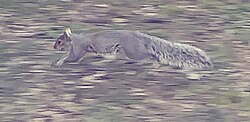
Many animals adapt the number of limbs they use based on the situation. Some quadrupeds switch to bipedalism (two-legged movement) to reach food in trees. The Basiliscus lizard is known for its ability to run across the water's surface on its hind limbs at 1.5 m/s before sinking to swim.
Other examples of limb versatility include cockroaches, which rear up on two legs to reach speeds of 50 body lengths per second, and kangaroos, which use pentapedalism (four legs plus the tail) while grazing but switch to bipedal hopping for speed.
Aquatic Adaptations
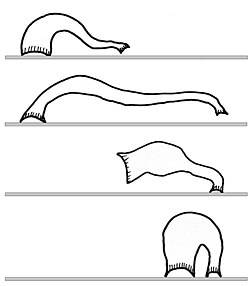
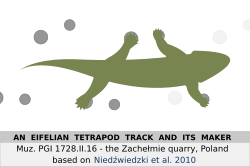
Fish exhibit a wide range of locomotory strategies. While most swim, some "walking fish" (like batfishes) move along the ocean floor. Amphibious fish, such as mudskippers and walking catfish, can leave the water for extended periods using lateral undulation or tripod-like walking with their fins and tails.
Summary of Locomotion Types
| Category | Method | Example Organisms | Key Characteristic |
|---|---|---|---|
| Active Aerial | Powered Flight | Birds, Bats, Insects | Generation of lift via wings |
| Active Aerial | Gliding | Flying Fish, Squid | Unpowered descent/drift |
| Active Terrestrial | Saltation | Kangaroo, Frog | High launch angle, long aerial phase |
| Active Terrestrial | Bipedalism | Ostrich, Cockroach (fast) | Movement on two limbs |
| Passive | Phoresis | Remoras | Hitching a ride on another animal |
| Passive | Sailing | Certain Jellyfish | Reliance on wind/currents |
Frequently Asked Questions
What is the difference between active and passive locomotion?
Active locomotion is self-propelled, meaning the animal uses its own energy and muscles to move, such as when a cheetah runs. Passive locomotion occurs when an animal relies on environmental forces or other organisms for transport, such as a spider kiting in the wind or a remora attaching to a shark.
How did flight evolve in the animal kingdom?
Flight evolved independently at least four times. Insects were the first to fly approximately 400 million years ago, followed by pterosaurs (220 mya), birds (160 mya), and bats (60 mya). Each group developed structural adaptations like wings and lightweight bodies to overcome gravity.
What is saltation and which animals use it?
Saltation is the technical term for jumping. It is characterized by a high launch angle and a significant amount of time spent in the air. Primary users include macropods (kangaroos), rabbits, jerboas, and various frog species.
Can fish actually fly?
Flying fish do not achieve powered flight; instead, they perform powerful leaps out of the water and glide. They can cover distances of 50 to 400 meters and reach speeds over 70 km/h, using this as a defense mechanism to evade predators.
What is pentapedalism?
Pentapedalism is a form of movement using five points of contact. Kangaroos exhibit this while grazing, utilizing their four legs and their tail to support and move their body before switching to bipedal hopping for faster travel.