Animal Culture: How Non-Human Species Learn and Transmit Behavior
For a long time, the concept of culture—the ability to learn and pass down behaviors through social interaction—was considered a uniquely human trait. However, modern research has revealed that many non-human animals possess the ability to transmit behaviors among peers and across generations. This process, known as cultural transmission, allows animals to develop novel behaviors or regional variations that are not dictated by genetics or the immediate environment.
The study of animal culture has evolved from early observations by Aristotle and Charles Darwin to a rigorous scientific field. The modern association of the word "culture" with animal behavior gained momentum in the 1940s, following discoveries by Japanese primatologists who observed socially transmitted food-gathering techniques. Today, evidence for animal culture is found in various domains, including vocalizations, predator avoidance, mate selection, and migratory routes.
Key Facts
- Definition: Animal culture is the social transmission of behavior among peers and between generations, independent of genetic or ecological factors.
- Mechanisms: It occurs through social learning, imitation, and active teaching.
- Diversity: Cultural behaviors have been documented in mammals (primates, cetaceans), birds, fish, and even insects.
- Examples: Key examples include regional bird song dialects, tool use in dolphins, and tandem running in ants.
Mechanisms of Cultural Transmission
Teaching and Social Learning
Until the 1980s, teaching was thought to be a human-only skill. However, research has since documented social learning across a wide array of species. In the insect world, ants utilize a process called tandem running, where one ant guides a companion to a food source, allowing the "pupil" to learn the route for future use or to teach others.
Cetaceans, such as orcas, provide some of the most striking examples of active teaching. Mother orcas have been observed "intentionally beaching" themselves to catch pinnipeds on the shore. They teach their calves this dangerous technique by pushing them onto the shore and encouraging them to attack prey, altering their own behavior specifically to facilitate the offspring's learning.
Imitation and Innovation
Imitation is a cornerstone of cultural development, though it does not constitute culture on its own. It allows for the rapid spread of innovative behaviors. For instance, some birds have learned to open milk bottles or flip open garbage bins by observing and copying their peers.

Examples of Culture Across Species
Primates
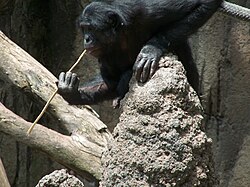
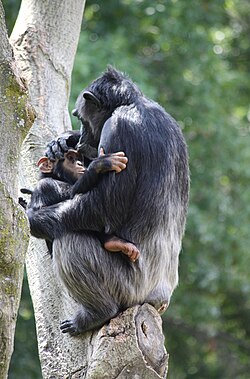
Primate culture is often identified through tool usage. Bonobos, for example, use sharpened sticks to fish for termites, a behavior believed to be culturally transmitted rather than instinctive.
Cetaceans
Beyond the beaching behaviors of orcas, bottlenose dolphins exhibit cultural transmission through "sponging," a technique where they use sponges to protect their snouts while foraging. Additionally, humpback whales demonstrate cultural variation through the evolution of complex songs.
Avian and Fish Species
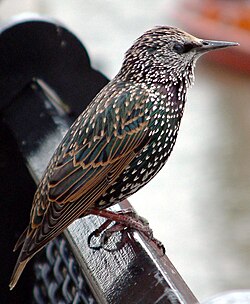
Birds exhibit culture through regional "dialects" in their songs, particularly in starlings, which suggest a cultural basis for vocal variation. Other avian cultural traits include specific nest construction styles and migratory patterns.
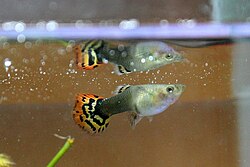
Culture is not limited to air and land; certain coral reef fish have also shown the social transmission of behavioral traditions.
Summary of Animal Cultural Behaviors
| Species Group | Behavioral Example | Transmission Method |
|---|---|---|
| Primates | Termite fishing with sticks | Social Learning / Imitation |
| Cetaceans | Intentional beaching (Orcas) | Active Teaching |
| Cetaceans | Sponging (Bottlenose Dolphins) | Cultural Transmission |
| Birds | Regional song dialects | Social Learning |
| Insects | Tandem running (Ants) | Guidance / Teaching |
Frequently Asked Questions
What is the difference between genetic and cultural transmission?
Genetic transmission is the passing of traits from parents to offspring via DNA. Cultural transmission is the process by which behaviors are learned from others through social interaction, meaning the behavior is acquired during the animal's lifetime rather than being innate.
Can insects really have culture?
Yes, in the sense of social learning. Ants demonstrate a form of teaching through tandem running, where they guide other ants to food sources, allowing the information to spread through the colony.
How do orcas teach their young to hunt?
Mother orcas use active teaching by pushing their calves onto the shore to practice catching pinnipeds, modifying their own behavior to help the calf acquire a complex and risky hunting skill.
Do birds have regional dialects?
Yes, certain species like starlings have been found to have regional variations in their songs, which indicates that they learn their vocalizations from the specific group of peers surrounding them.
Is imitation the same as culture?
No. While imitation is a primary mechanism that allows culture to exist, imitation alone is just a behavior. Culture refers to the broader process of the social transmittance of these behaviors across a population or between generations.