Anemophily: How Wind Pollination Powers the Natural World
While many people associate flowers with bright colors and sweet scents designed to attract butterflies or bees, a massive portion of the plant kingdom relies on a much more subtle force: the wind. This process, known scientifically as anemophily, is a method of pollination where pollen is distributed by air currents rather than by living organisms.
Anemophilous plants—those that utilize wind pollination—have evolved a distinct set of characteristics that set them apart from their insect-pollinated counterparts. Instead of investing energy into showy petals or sugary nectar, these plants focus their resources on producing vast quantities of lightweight pollen to ensure successful reproduction.
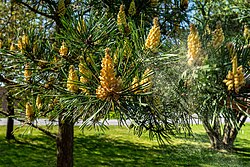
Key Facts
- Anemophily refers to pollination via wind.
- Approximately 12% of plants globally are wind-pollinated.
- Common anemophilous plants include grasses, oaks, pines, and cereal crops like corn and wheat.
- Wind-pollinated pollen is typically 20–60 micrometres in diameter.
- Most seasonal allergies (hay fever) are caused by anemophilous pollen.
The Anatomy of Wind Pollination
Because wind is an unpredictable medium, anemophilous plants must employ specific biological strategies to ensure their genetic material reaches a destination. This specialized set of traits is often referred to as the wind-pollination syndrome.
Floral Characteristics
Unlike entomophilous (insect-pollinated) or zoophilous (animal-pollinated) species, wind-pollinated flowers are often small and inconspicuous. They typically lack scent production and produce very little nectar, as they have no need to entice pollinators. To maximize the chances of successful transfer, these plants often feature:
- Lengthy, well-exposed stamens: These structures hang out into the air to catch wind currents and release pollen.
- Feathery stigmas: The female reproductive parts are often large and branched to act as a net, easily trapping airborne pollen grains.
Pollen Structure and Efficiency
The pollen grains themselves are highly specialized. To remain airborne, they are smooth, light, and non-sticky. While most anemophilous pollen grains range from 20 to 60 micrometres in diameter, certain species, such as those in the Pinus (pine) genus, can produce much larger and less dense grains to aid buoyancy.
Because wind is imprecise, these plants release a "myriad" of pollen grains, knowing that only a tiny fraction will successfully land on a female floral structure. This massive production is a necessary trade-off for the lack of targeted delivery provided by insects.
Diversity of Anemophilous Species
Wind pollination is a widespread evolutionary strategy found across various plant groups. It is the primary method for almost all gymnosperms (plants with "naked seeds," such as conifers) and many members of the order Poales, which includes grasses, sedges, and rushes.
Beyond wild flora, anemophily is critical to global food security. Approximately 12% of the world's plants are wind-pollinated, including essential cereal crops such as:
- Rice
- Corn (Maize)
- Wheat
- Rye
- Barley
- Oats
Other notable examples include oaks, pecans, pistachios, sweet chestnuts, alders, hops, and members of the Juglandaceae family (which includes walnuts and hickories).
| Feature | Anemophily (Wind) | Entomophily (Insect) |
|---|---|---|
| Flower Appearance | Small, inconspicuous | Large, colorful, showy |
| Scent & Nectar | Minimal to none | Strong scent and high nectar |
| Pollen Texture | Smooth, light, non-sticky | Often sticky or textured |
| Pollen Quantity | Enormous amounts | Relatively lower amounts |
Evolutionary Advantages and Inbreeding Avoidance
Anemophily serves a vital evolutionary purpose: it helps separate the male and female reproductive systems of a single plant. This separation often accompanies dioecy, where male and female reproductive structures exist on entirely different plants.
By facilitating outcrossing (the transfer of pollen between different individuals), wind pollination reduces the risk of inbreeding. This helps plants avoid inbreeding depression, a phenomenon where the expression of harmful recessive mutations can weaken the health and survival of offspring.
Anemophily and Human Health: Allergies
While wind pollination is a marvel of biological engineering, it can be a significant source of discomfort for humans. Almost all pollen grains that act as allergens come from anemophilous species. Because these plants release their pollen into the air to be carried by the wind, the particles can circulate widely and for long periods.
Grasses (Poaceae) are the most significant producers of aeroallergens in temperate regions. In some areas, such as Morocco, research has shown that asthma caused by Poaceae pollen accounted for 10% of clinical respiratory diseases. Lowland and meadow species tend to produce more pollen than upland or moorland species, contributing to seasonal hay fever symptoms.
Frequently Asked Questions
Why is wind-pollinated pollen often an allergen?
Because anemophilous plants rely on the wind to transport their pollen, they release massive quantities of lightweight, airborne particles. These particles can travel long distances and remain suspended in the air, making them easily inhalable by humans.
Do insects ever interact with wind-pollinated plants?
Yes. While they aren't the primary pollinators, insects sometimes collect pollen from anemophilous flowers when higher-protein insect-pollinated flowers are scarce. Additionally, pollen can be inadvertently captured by the electrostatic fields of bees; for example, ragweed pollen is often found in honey despite bees not actively visiting ragweed flowers.
What is the difference between anemophily and entomophily?
Anemophily is pollination by wind, characterized by small, scentless flowers and massive amounts of light pollen. Entomophily is pollination by insects, characterized by showy, scented flowers and nectar to attract pollinators.
How does wind pollination help plant genetics?
It promotes outcrossing by moving pollen between different plants. This reduces inbreeding and helps prevent inbreeding depression, which occurs when harmful recessive mutations are passed down through closely related offspring.
Which crops rely on wind pollination?
Many of the world's most important cereal crops rely on the wind, including corn, wheat, rice, barley, rye, and oats.