Ancient Greek Religion: Rituals, Deities, and the Evolution of Belief
To understand the spiritual life of the ancient Greeks, one must first set aside modern definitions of "religion." The ancient Greeks did not possess a single word that corresponds to our contemporary concept of a structured, organized religion. Instead, their spiritual existence was a tapestry of shared customs, common shrines, and diverse sacrifices that unified the Hellenic world.
As the historian Herodotus noted, the Greeks were bound together by "common shrines of the gods and sacrifices, and the same kinds of customs." This collective identity spanned from mainland Greece to the islands, the coasts of Ionia in Asia Minor, and the far-reaching colonies of Magna Graecia and the Western Mediterranean.
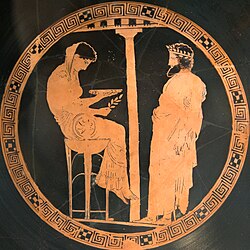
Key Facts
![The Birth of Venus (c. 1485) by Sandro Botticelli,[10] Uffizi, Florence](/images/43/c0/43c098a96d0a1feca6a181f5ebbb653ec2d3162a250c46ee2a3dd0fd7f50c2c9.jpg)
- The Olympians: Most Greeks recognized twelve major deities, including Zeus, Hera, Poseidon, and Athena.
- Sacrificial Hierarchy: Animal sacrifices typically followed a preference for bulls, oxen, cows, sheep, goats, pigs, and poultry.
- No Sacred Text: Unlike many modern faiths, Greek religion lacked a single, universal sacred text, though Orphic and Mystery cults utilized specific writings.
- Cultural Influence: Greek religious practices significantly influenced early Italian religions, including the Etruscans and later the Romans.
- Modern Revival: A contemporary movement known as Hellenism seeks to revive ancient practices, though it remains a minority faith compared to Greek Orthodoxy.
The Pantheon and Divine Theology
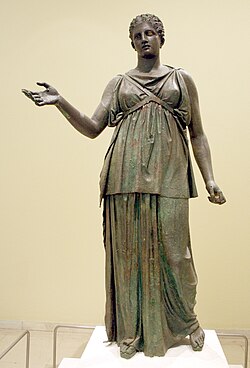
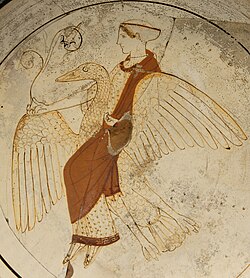
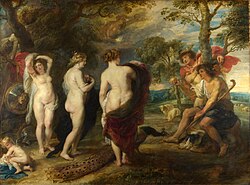
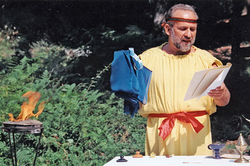
At the heart of Greek belief was the recognition of the twelve major Olympian gods. This pantheon included Zeus, Hera, Poseidon, Demeter, Athena, Ares, Aphrodite, Apollo, Artemis, Hephaestus, Hermes, and either Hestia or Dionysus. While these deities were central, the religious landscape was nuanced; many gods had various epithets—specific titles that distinguished different aspects of their nature or reflected the absorption of local deities into the broader Greek system.
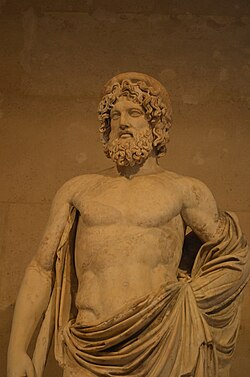
Beyond the Olympians, other figures held immense importance. For instance, Asclepios, the god of medicine, was widely revered by doctors and patients alike, even though he was not one of the twelve primary Olympians.
Philosophical shifts also influenced theological thought. Schools of thought such as Stoicism and certain forms of Platonism introduced language that suggested a single, transcendent deity, adding a layer of complexity to the traditional polytheistic framework.
Ritual Practices and Ceremonies
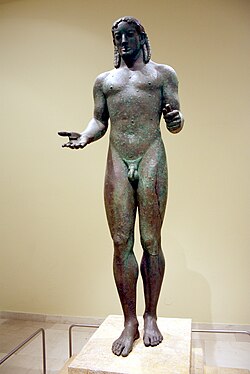
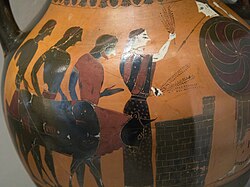
Religious life was defined by action rather than just belief. Sacrifice was a cornerstone of worship. The Greeks often viewed the animals chosen for sacrifice as being willing participants in the ritual. The order of preference for animals was generally bulls or oxen, followed by cows, sheep (the most common), goats, pigs, and occasionally poultry.
While the Greeks practiced divination—the attempt to gain insight into the future through supernatural means—their methods differed from other cultures. While they did examine animal organs like the liver (particularly in the cult of Apollo), they placed significantly more faith in observing the behavior of birds.
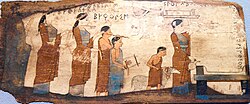
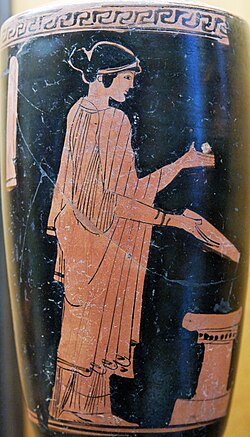
Other essential rituals included the pouring of libations, which were liquid offerings made to a deity, often performed at altars.
Sanctuaries, Temples, and Cult Images
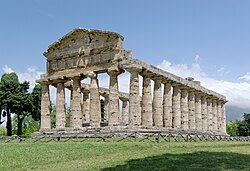
The physical landscape of Greek religion was marked by magnificent sanctuaries and temples. These structures served as homes for cult images—statues that represented the deity. Many of the famous Greek statues known today are actually Roman marble copies of these original temple images.
These cult images were often monumental. For example, the bronze Piraeus Athena stood approximately 2.35 meters (7.7 feet) tall. Such images were frequently placed on decorated bases and served as the focal point for communal worship.
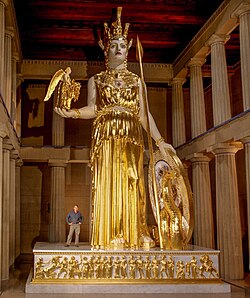
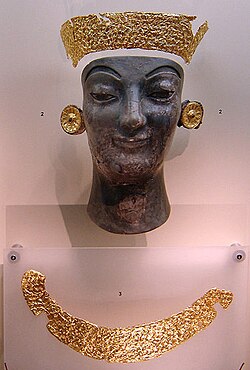
The artistry involved in creating these religious icons was immense, often utilizing precious materials. Fragments of chryselephantine statues—works made of gold and ivory—provide a glimpse into the splendor of these ancient treasures.
The Evolution and Decline of Traditional Beliefs
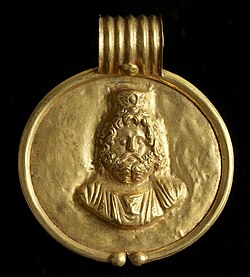
During the Hellenistic period, following the death of Alexander the Great, Greek religion expanded alongside his conquests. New dynasties, such as the Ptolemies in Egypt, often integrated themselves into religious cults to solidify their authority.
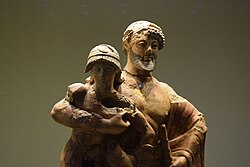
However, the rise of the Roman Empire eventually brought significant changes. While the Romans initially respected Greek sanctuaries, they later focused on the Imperial cult. Over time, Roman governors and emperors occasionally removed famous statues from Greek sanctuaries, sometimes replacing them with contemporary reproductions.
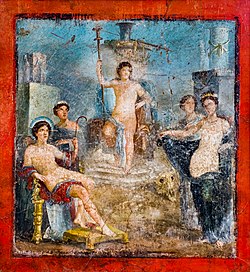
The most decisive shift occurred in the 4th century CE under the Roman Emperor Theodosius I. He initiated official persecution of paganism, disbanding priesthoods and destroying temples. This era saw the end of traditional events like the Olympic Games in 393 CE. In the West, Emperor Gratian also moved to dismantle pagan structures by confiscating temple properties and disbanding religious orders.
Summary of Religious Elements
| Category | Key Elements |
|---|---|
| Deities | Twelve Olympians, local deities, and specialized gods like Asclepios. |
| Rituals | Animal sacrifice, libations, and bird divination. |
| Sacred Spaces | Temples, sanctuaries, and altars. |
| Texts | Orphic texts and hierói lógoi (sacred texts), though no universal canon existed. |
Frequently Asked Questions
Did the ancient Greeks have a holy book like the Bible?
No. Unlike many modern religions, Greek religion did not revolve around a single, standardized sacred text. While certain groups like the Orphic cults used specific texts, and some religious lyrics existed, there was no universal scripture used by all Greeks.
What were the most common animals used in sacrifices?
Sheep were the most common animals used for sacrifice. Other frequently used animals included bulls, oxen, cows, goats, and pigs.
How did the Roman Empire treat Greek religion?
The relationship was complex. While the Romans initially integrated many Greek elements, they eventually prioritized the Imperial cult. Later, under emperors like Theodosius I, official persecution led to the destruction of temples and the disbanding of pagan priesthoods.
What is contemporary Hellenism?
Contemporary Hellenism, or the Hellenic National Religion, is a modern revival of ancient Greek religious practices and Neoplatonic philosophy. While it draws on classical traditions, it has a much smaller following than Greek Orthodox Christianity.
Who were the Olympians?
The Olympians were the twelve major gods and goddesses recognized by most Greeks, including Zeus, Hera, Poseidon, Demeter, Athena, Ares, Aphrodite, Apollo, Artemis, Hephaestus, Hermes, and either Hestia or Dionysus.