Alsace: A Cultural Crossroads of France and Germany
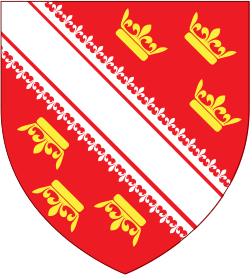
Nestled on the west bank of the upper Rhine in northeastern France, Alsace is more than just a geographic region; it is a cultural bridge. As part of the Grand Est administrative region, Alsace borders both Germany and Switzerland, creating a unique identity defined by a blend of French and German influences. From its timber-framed villages to its world-renowned vineyards, the region offers a rich tapestry of history, language, and art.
Today, Alsace is organized as the European Collectivity of Alsace, with its prefecture located in the vibrant city of Strasbourg. With a population of approximately 1.9 million people as of 2021, it remains one of France's most distinct and economically dynamic areas.

Key Facts
- Location: Northeastern France, bordering Germany and Switzerland.
- Administrative Center: Strasbourg.
- Departments: Bas-Rhin (67) and Haut-Rhin (68).
- Population: 1,919,745 (January 2021).
- Economy: Strong focus on viticulture, automobile industry, and life sciences.
- Cultural Identity: A unique synthesis of French and German heritage.
A Turbulent History of Sovereignty
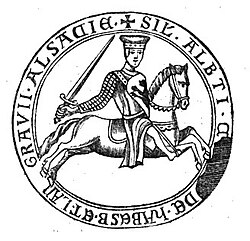
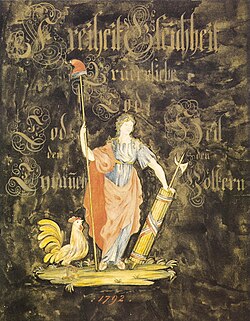
The history of Alsace is characterized by frequent shifts in national sovereignty, reflecting its strategic position in Europe. In antiquity, the region was inhabited by Celts and Gauls before being conquered by Julius Caesar and incorporated into the Roman Empire as part of Germania Superior.
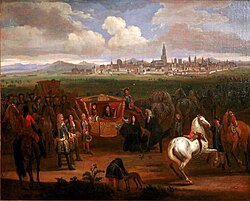
Following the collapse of Roman authority, the region saw waves of Germanic migrations, eventually falling under the influence of the Franks and becoming part of the Holy Roman Empire. However, the 17th century marked a turning point when Louis XIV annexed the region during the Franco-Dutch War, establishing full French sovereignty.
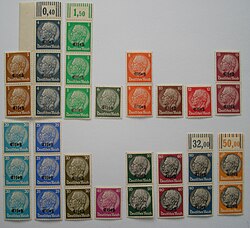
The 19th and 20th centuries were the most volatile. After the Franco-Prussian War in 1871, Alsace was ceded to the newly formed German Empire. It returned to France after World War I via the Treaty of Versailles, only to be re-annexed by Nazi Germany in 1940. Since 1944, Alsace has remained a permanent part of the French Republic.
Historical Timeline Summary
| Period | Ruling Power | Primary Language(s) |
|---|---|---|
| 58 BC – AD 260 | Roman Empire | Latin, Gallic |
| 486 – 962 | Frankish Realm / German Kingdoms | Old Frankish, Alamannic |
| 962 – 1618 | Holy Roman Empire | Old/Middle/Modern High German |
| 1674 – 1871 | Kingdom of France | French (Alsatian spoken by majority) |
| 1871 – 1918 | German Empire | German, Alsatian |
| 1919 – Present | France (with 1940-44 interruption) | French, Alsatian |
Geography and Administration
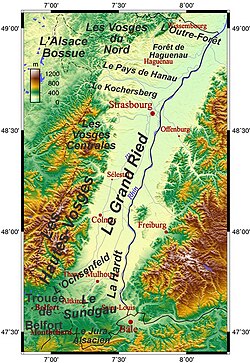
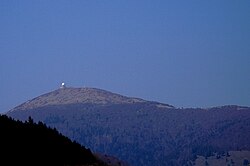
Alsace covers a total area of 8,280 square kilometers. Its topography is defined by the Vosges Mountains to the west and the Rhine Valley to the east. The Grand Ballon serves as one of the region's most prominent natural landmarks.
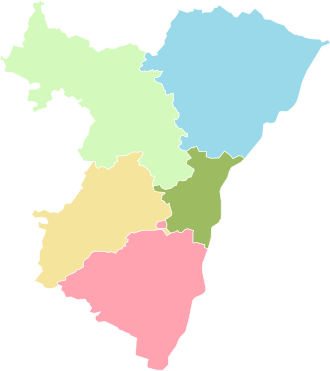
Administratively, the region is split into two departments:
- Bas-Rhin: Centered around Strasbourg, including arrondissements such as Haguenau-Wissembourg and Molsheim.
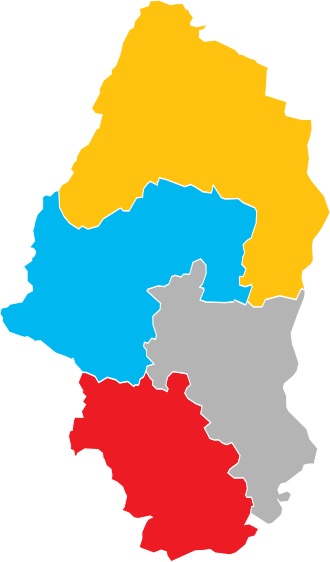
- Haut-Rhin: Centered around Colmar, including arrondissements such as Mulhouse and Altkirch.
Society and Culture
Language and Identity
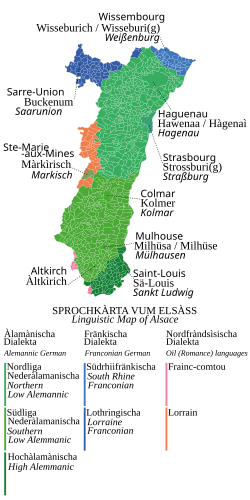
The linguistic landscape of Alsace is a mirror of its history. While French is now the primary first language, Alsatian (a Germanic dialect) remains a vital part of the regional identity. According to a 1999 survey, roughly 39% of the population spoke Alsatian, and 16.2% spoke standard German.
Architecture and Traditions
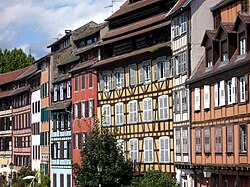
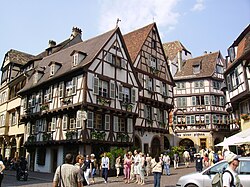
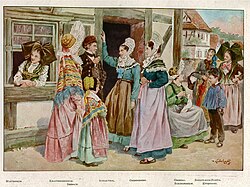
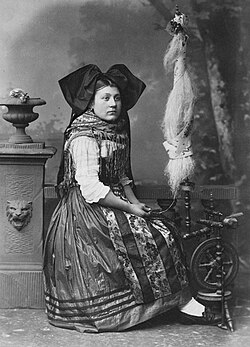
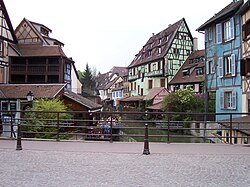
Alsatian architecture is world-famous for its colorful half-timbered houses, particularly in the old towns of Colmar and Strasbourg. The region is also known for its traditional costumes, which reflect a distinct rural heritage.
Gastronomy
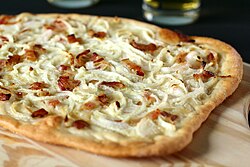
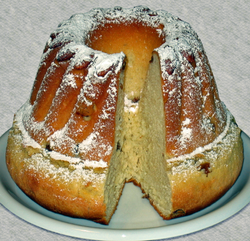
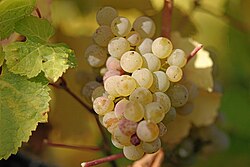
The local cuisine is a hearty blend of influences. Signature dishes include Flammekueche (a thin-crust cream tart) and Kugelhupf (a traditional yeast cake). The region is equally famous for its viticulture, specifically the production of Riesling grapes along the Route des Vins d'Alsace.
Economy and Tourism
Alsace boasts a diverse economy. It is a hub for the automobile industry, notably in Molsheim—the home of Bugatti—and Mulhouse. The region is also a leader in life sciences through the trinational BioValley and maintains a strong forestry and viticulture sector.
Tourism is a primary economic driver, with visitors flocking to see:
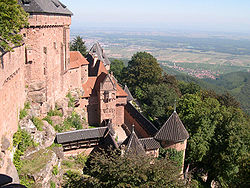
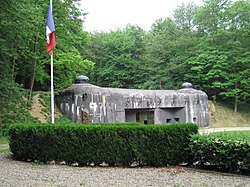
- Historic Sites: The Château du Haut-Kœnigsbourg and the Maginot Line's Ouvrage Schoenenbourg.
- Museums: The Cité de l'Automobile and Cité du train in Mulhouse.
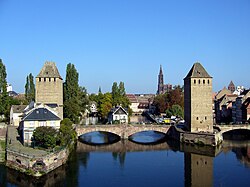
- Urban Gems: The "Petite France" district in Strasbourg and the "Petite Venise" in Colmar.
- Seasonal Events: The world-renowned Christmas markets in Strasbourg, Colmar, and Mulhouse.
Frequently Asked Questions
Is Alsace part of France or Germany?
Alsace is currently a cultural region and territorial collectivity within France, located in the Grand Est administrative region. However, it has historically shifted between French and German control multiple times.
What language is spoken in Alsace?
French is the official and most widely spoken language. However, many residents speak Alsatian, a Germanic dialect, and a minority of the population speaks standard German.
What are the most famous tourist attractions in Alsace?
Key attractions include the city of Strasbourg (and its cathedral), the picturesque town of Colmar, the Château du Haut-Kœnigsbourg, and the Route des Vins d'Alsace.
What is the European Collectivity of Alsace?
It is the current administrative structure of the region, managing the two departments of Bas-Rhin and Haut-Rhin within the broader French state framework.
What is the region's most famous food?
Alsace is best known for Flammekueche, Kugelhupf, and its high-quality white wines, particularly Riesling.