Strasbourg: The European Capital of Culture and Diplomacy
Located in the Grand Est region of France, Strasbourg is a city where French and German influences blend seamlessly. As the prefecture of the Bas-Rhin department, it serves as a vital bridge between cultures and a global hub for diplomacy. From its stunning Gothic architecture to its role as a seat of European power, Strasbourg offers a unique intersection of history, education, and modern governance.
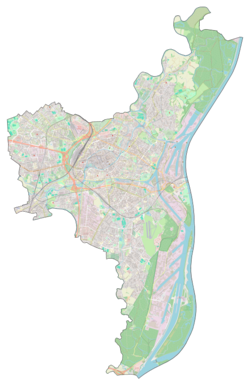
The city is characterized by its diverse districts, ranging from the historic Centre Ville to the scenic Robertsau and the industrial Port du Rhin. Its strategic location on the Rhine has shaped its identity as a center of trade and political cooperation for centuries.
Key Facts
- Population: 293,771 (2023), ranking it 8th in France.
- European Role: Seat of the European Parliament and the Council of Europe.
- Education: Home to the merged Université de Strasbourg.
- Geography: Situated in the Bas-Rhin department of the Grand Est region.
- Climate: Temperate, with an annual average precipitation of 635.7 mm.
A City of Architectural Splendor
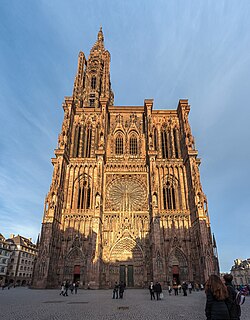
Strasbourg is renowned for its breathtaking landmarks. The Cathedral of Our Lady stands as a masterpiece of Gothic architecture, dominating the city skyline. Nearby, the Ponts Couverts and the Barrage Vauban provide a glimpse into the city's medieval fortifications.
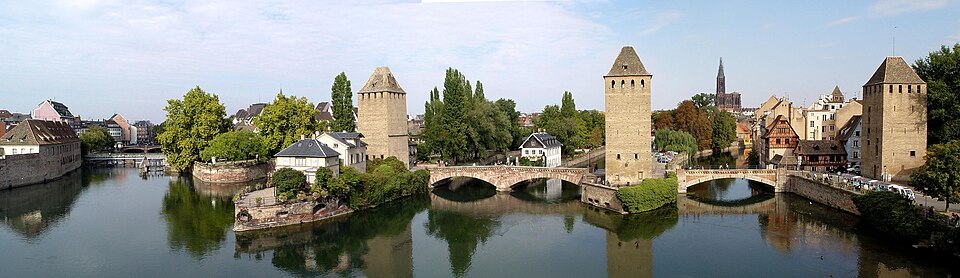
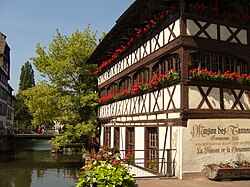
One of the most picturesque areas is Petite France, known for its half-timbered houses and winding canals. This district, once the heart of the tanning and fishing industries, now serves as a primary attraction for visitors seeking the essence of old Alsace.
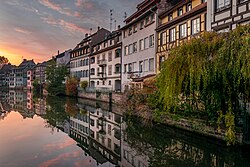
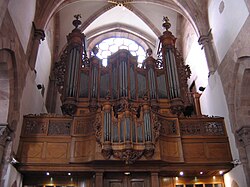
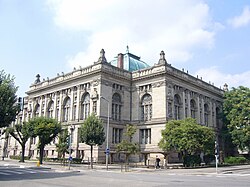
Other notable architectural sites include the Palais Rohan, the Palais du Rhin, and the Maison des tanneurs. For those interested in religious art and music, the Église Saint-Thomas houses a magnificent baroque organ.
The Heart of European Governance
Beyond its beauty, Strasbourg is a powerhouse of international politics. It hosts several critical organizations that shape the continent, most notably the European Parliament and the Council of Europe. The city also houses the European Ombudsman and the headquarters of Eurocorps.
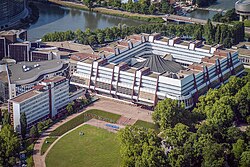
This diplomatic status is complemented by the presence of the Franco-German television channel Arte and the European Science Foundation, reinforcing the city's role as a center for intellectual and political exchange.
Culture, Education, and Arts
Strasbourg is a vibrant center for the arts, featuring the Opéra national du Rhin and the Théâtre national de Strasbourg. The city hosts diverse events, including the Musica festival for contemporary classical music and Strasbulles, a renowned European comic book festival.
Education is a cornerstone of the city's identity. The Université de Strasbourg, formed in 2009 through the merger of three universities, is a leading institution. It encompasses specialized schools such as the EM Strasbourg Business School and the Institut national des sciences appliquées (INSA).
The city's commitment to internationalism is further reflected in its schools, including the European School of Strasbourg and the Lycée International des Pontonniers.
Urban Life and Infrastructure
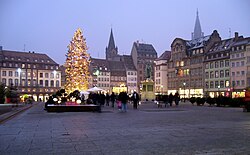
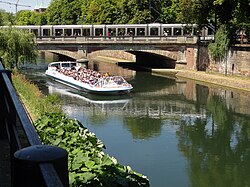
Modern Strasbourg is a model of urban planning, featuring an efficient tram system that navigates the city's canals and streets. Public spaces like Place Kléber serve as central gathering points for residents and tourists alike.
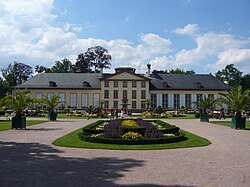
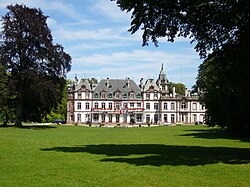
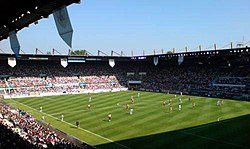
For leisure, the city offers the Parc de l'Orangerie, featuring the Pavillon Joséphine, and the park surrounding the Château de Pourtalès. Sports enthusiasts frequent the Stade de la Meinau, the home ground of RC Strasbourg.
City Overview and Statistics
| Category | Detail |
|---|---|
| Region | Grand Est, France |
| Population (City) | 293,771 (2023) |
| Metro Population | 860,744 (2020) |
| Area (Urban) | 240.2 km² |
| Key Institutions | European Parliament, Council of Europe |
| Major University | Université de Strasbourg |
Frequently Asked Questions
What is the significance of Strasbourg in the European Union?
Strasbourg serves as one of the official seats of the European Union, hosting the European Parliament and the Council of Europe, making it a central hub for European law and human rights.
What are the must-visit areas for tourists?
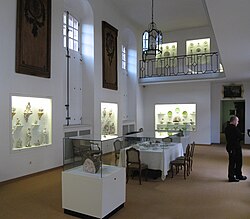
Visitors should prioritize the Cathedral of Our Lady, the historic Petite France district, the Ponts Couverts, and the various museums, including the Musée des Arts décoratifs.
How is the education system structured in Strasbourg?
The city is dominated by the Université de Strasbourg, a merged entity of three former universities, and offers a wide array of international primary and secondary schools to support its diplomatic community.
What is the climate like in Strasbourg?
Strasbourg has a temperate climate with an average annual precipitation of 635.7 mm. It experiences distinct seasons, with record highs reaching 40.4°C and record lows dropping to -23.6°C.
Which notable people are associated with Strasbourg?
The city has been home to or the birthplace of many influential figures, including Johannes Gutenberg, Louis Pasteur, Albert Schweitzer, and more recently, Arsène Wenger and Matt Pokora.