Colmar: The Wine Capital of Alsace and its Architectural Heritage
Nestled in the heart of the Grand Est region, Colmar is a picturesque city that serves as the prefecture of the Haut-Rhin department. Known for its stunning preserved architecture and its role as the capital of the Alsatian wine region, Colmar offers a unique blend of French and German cultural influences. From its romantic canals to its world-class museums, the city is a living testament to the complex history of the Alsace borderlands.
The city is situated on the River Lauch, a tributary of the Ill, approximately 64 kilometers south-southwest of Strasbourg. Its geography, positioned east of the Vosges mountains and connected to the Rhine via canal, has historically made it a vital hub for trade and transport.
Key Facts
- Region: Grand Est, France (Haut-Rhin department).
- Population: 66,970 (2023).
- Climate: One of the driest cities in France, creating a sunny microclimate ideal for viticulture.
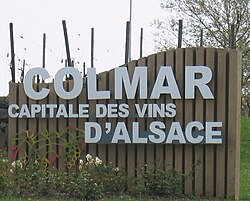
- Wine Status: Recognized as the capital of the Alsatian wine region.
- Famous Native: Frédéric Auguste Bartholdi, the sculptor of the Statue of Liberty.
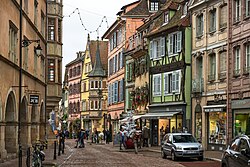
- Key Landmark: "Little Venice" (la Petite Venise), a former quarter for butchers, tanners, and fishmongers.
A History of Transition
Colmar's history is defined by its strategic location between France and Germany. First mentioned in the 9th century by Charlemagne, it grew into a significant medieval trading town within the Holy Roman Empire. In 1226, Emperor Frederick II granted it the status of a free imperial city, and by 1354, it joined the Décapole city league.
The city's sovereignty shifted frequently over the centuries. It was annexed by France under Louis XIV in 1673, only to be ceded to the German Empire in 1871 following the Franco-Prussian War. After returning to France after World War I, it was again annexed by Nazi Germany in 1940, before being permanently restored to French control in 1945 following the battle of the "Colmar Pocket." Throughout these transitions, Colmar maintained a distinct German character in its language and culture.
One of the city's most intriguing historical finds is the Colmar Treasure, a hoard of precious objects hidden by Jewish residents during the Black Death, which was discovered in 1863.
Architectural Landmarks and Sights
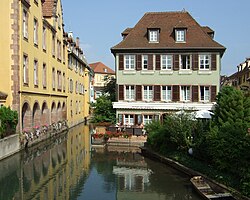
Because it was largely spared from the destruction of the French Revolution and the World Wars, Colmar's old town remains remarkably homogeneous. The most famous area is Little Venice, where the canals of the River Lauch wind through colorful, historic buildings.
Secular Architecture
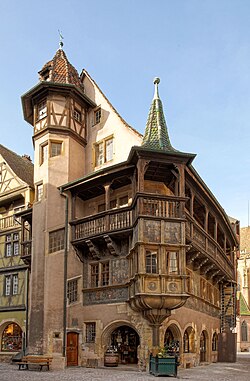
The city features a diverse array of architectural styles, ranging from German Gothic to French Neoclassicism. Notable buildings include the 14th-century Maison Adolph and the Koïfhus (Ancienne Douane) from 1480. The Maison Pfister (1537) is a prime example of the German Renaissance and is famously recognized as an inspiration for the scenery in Howl's Moving Castle.
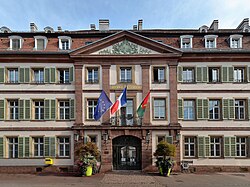
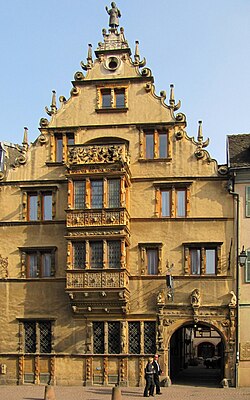
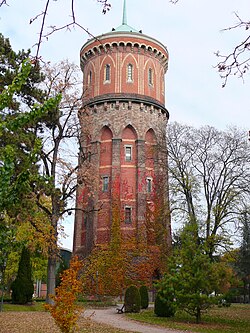
Other significant structures include the Maison des Têtes (1609), the Hôtel de Ville (1790), and the Water Tower (1886), which is the oldest preserved water tower in Alsace.
Religious Heritage
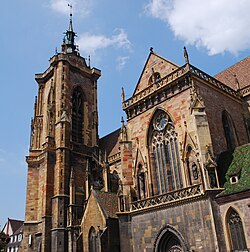
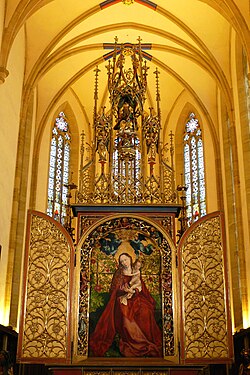
The Église Saint-Martin (1234–1365) is the largest church in Colmar and is unique in Alsace for its choir surrounded by an ambulatory opening into Gothic chapels. The Église des Dominicains, though now deconsecrated, houses the Madonna of the Rose Bower, a masterpiece by Martin Schongauer.
The Legacy of Frédéric Auguste Bartholdi
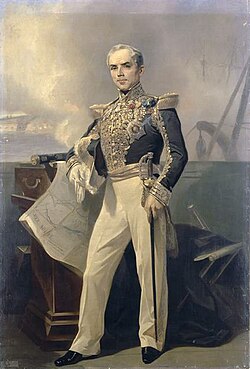
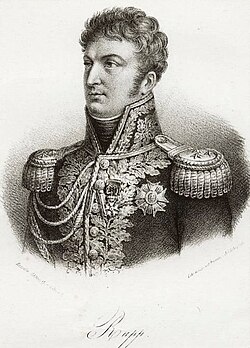
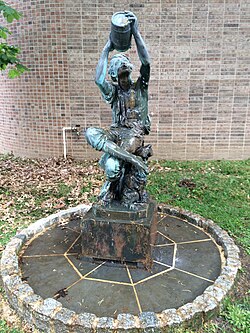
Colmar is the birthplace of Frédéric Auguste Bartholdi, the sculptor who created the Statue of Liberty. His influence is visible throughout the city in several monuments, including the Fontaine de l'Amiral Bruat, the Fontaine Roeselmann, and the Monument du Général Rapp.
Culture, Economy, and Education
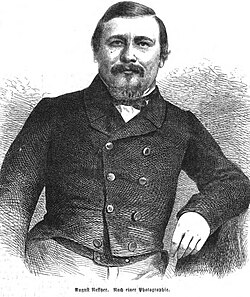
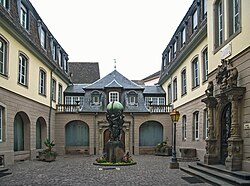
Colmar is a center for arts and learning. The Municipal Library of Colmar holds one of France's richest collections of incunabula (books printed before 1501), with over 2,300 volumes. The city also hosts the Festival de Colmar, an international summer festival of classical music directed since 1989 by Vladimir Spivakov.
Economically, the city is driven by its wine industry. Every year since 1947, Colmar has hosted the Foire aux vins d'Alsace, the largest annual commercial event and festival in the region.
In terms of education, Colmar shares the Université de Haute-Alsace with Mulhouse, providing specialized training in science, technology, and professional studies.
City Overview Summary
| Category | Details |
|---|---|
| Population (2023) | 66,970 |
| Annual Precipitation | 595 mm (23.4 in) |
| Key Industries | Wine, Tourism, Education |
| Major Museums | Musée Bartholdi, Musée du jouet, Natural History Museum |
| Notable Architecture | German Gothic, Renaissance, French Classicism |
Frequently Asked Questions
What is "Little Venice" in Colmar?
Little Venice (la Petite Venise) is a picturesque district of Colmar characterized by canals of the River Lauch and colorful historic houses. It was originally the quarter for tanners, fishmongers, and butchers.
Why is Colmar called the capital of Alsatian wines?
Colmar possesses a sunny microclimate and is one of the driest cities in France, providing ideal conditions for vineyards. It also hosts the Foire aux vins d'Alsace, the largest wine fair in the region.
Who is Frédéric Auguste Bartholdi?
Bartholdi was a world-renowned sculptor born in Colmar, most famous for creating the Statue of Liberty (Liberty Enlightening the World). Many of his works, including several fountains and monuments, are located throughout the city.
Which famous movie was inspired by Colmar's architecture?
The Maison Pfister, a German Renaissance building in Colmar, is noted for its resemblance to the architecture seen in the Studio Ghibli film Howl's Moving Castle.
How did Colmar's political control change over time?
Colmar shifted between French and German control multiple times. It was part of the Holy Roman Empire, annexed by France under Louis XIV, ceded to Germany after the Franco-Prussian War, returned to France after WWI, annexed by Nazi Germany in 1940, and finally restored to France in 1945.