Allium: The Complex Science and Diversity of Garlic and Onions
The genus Allium encompasses some of the most essential plants in human history, ranging from the pungent garlic in our kitchens to the striking purple spheres in ornamental gardens. First described by Carl Linnaeus in 1753, the name Allium is derived from the Latin word for garlic. While we often think of them simply as onions or garlic, these plants belong to a vast and scientifically complex group of monocotyledonous flowering plants.
From a botanical perspective, Allium is currently placed within the family Amaryllidaceae and the subfamily Allioideae. Historically, these plants were categorized under the Liliaceae family, but modern molecular studies have revealed that such a classification was not monophyletic—meaning it did not accurately represent a single common ancestor and all its descendants.
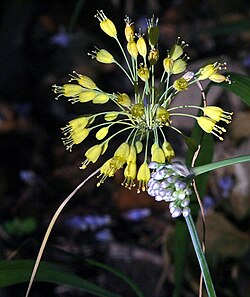
Key Facts
- Species Count: Estimates vary widely, ranging from 260 to as many as 979 species.
- Type Species: Allium sativum (cultivated garlic).
- Classification: Sole genus in the tribe Allieae, subfamily Allioideae.
- Diversity: Includes common culinary staples like onions (Allium cepa) and garlic, as well as hundreds of wild and ornamental varieties.
- Taxonomic Challenge: High polymorphism and adaptation to diverse habitats make species boundaries difficult to define.
The Challenges of Allium Taxonomy
Defining exactly what constitutes a species within the Allium genus is a significant challenge for botanists. The genus is characterized by extreme polymorphism—the occurrence of several different forms within a single species—and has adapted to an incredibly wide array of global habitats.
For years, scientists relied on homoplasious characteristics, which are similar physical features that evolved independently in different lineages rather than from a common ancestor. This led to widespread incorrect descriptions. To resolve this, researchers now use molecular phylogenetic methods, specifically targeting the internal transcribed spacer (ITS) region of rDNA to differentiate species more accurately.
Evolutionary Lineages and Subdivisions
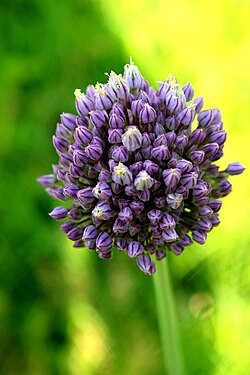
Modern classification, notably the work of Friesen, Fritsch, and Blattner in 2006, divides the genus into three major evolutionary lines containing 15 subgenera. This system represents a significant improvement over Linnaeus's original grouping of 30 species into three alliances.
The Three Evolutionary Lines
- First Evolutionary Line: Includes subgenera such as Amerallium (which is strongly supported as monophyletic) and Nectaroscordum (Mediterranean bells).
- Second Evolutionary Line: Features subgenera like Melanocrommyum, which has been the subject of extensive study due to its ornamental value.
- Third Evolutionary Line: The most diverse group, containing the subgenus Allium (including garlic) and Cepa (including the common onion).
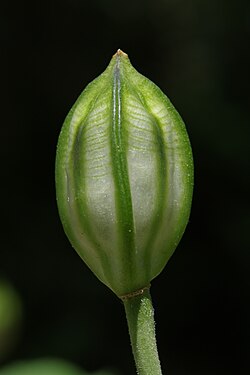
| Evolutionary Line | Key Subgenera | Example Species/Common Name |
|---|---|---|
| First Line | Nectaroscordum, Amerallium | A. siculum (Sicilian honey garlic) |
| Second Line | Melanocrommyum, Caloscordum | A. nigrum |
| Third Line | Allium, Cepa, Polyprason | A. sativum (Garlic), A. cepa (Onion) |
From Wild Habitats to Cultivation
Wild Allium species can be found in diverse environments across the globe, from the mountains of Iran to the forests of Europe. These wild ancestors provided the genetic foundation for the cultivated varieties we use today.
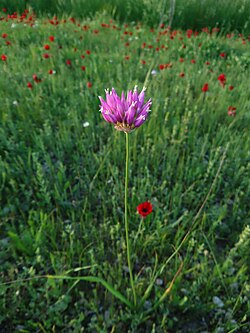
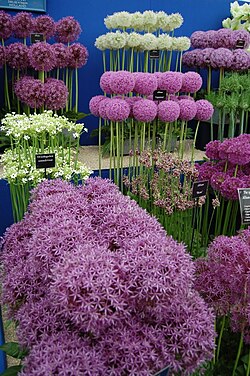
In addition to culinary uses, Allium is highly prized in horticulture. Ornamental cultivars are bred for their striking geometric flower heads and vibrant colors. Popular ornamental varieties include 'Ambassador', 'Gladiator', 'Globemaster', and 'Round 'n' Purple'.
Frequently Asked Questions
How many species of Allium are there?
The exact number is debated due to taxonomic difficulties, but estimates generally range between 260 and 979 species.
What is the difference between the old and new classification of Allium?
Older systems often placed Allium in the Liliaceae family based on physical similarities. Modern systems use molecular DNA analysis to place it in the Amaryllidaceae family, subfamily Allioideae, ensuring the groups are monophyletic.
What are the most common cultivated Allium species?
The most prominent are Allium sativum (cultivated garlic) and Allium cepa (the common garden onion).
Why is it so hard to classify Allium species?
Classification is difficult because the genus shows high polymorphism and has evolved similar physical traits independently across different lineages (homoplasy), making visual identification unreliable.
Are all Alliums edible?
While many are culinary staples, the genus also includes ornamental and wild species. It is also noted that some Allium species can be toxic to pets, specifically dogs and cats.