Algerian War of Independence (1954–1962)
The Algerian War was a brutal and protracted conflict that served as a definitive turning point in the history of North Africa. Spanning from 1954 to 1962, this struggle for sovereignty not only challenged French colonial rule but also deeply reshaped the national consciousness of Algeria, embedding the philosophy of anticolonialism—the opposition to colonial rule—into the heart of the nation.
While the conflict was often fratricidal, pitting fellow citizens against one another, it ultimately united the Algerian people in their pursuit of independence. The legacy of the war remains a sensitive and controversial subject, particularly regarding the tactics employed by the French Army.
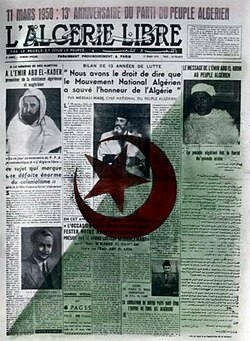
The Outbreak of Hostilities
The war officially commenced at 12:00 am on November 1, 1954. The National Liberation Army (ALN), which served as the military wing of the National Liberation Front (FLN), launched a series of coordinated attacks across Algeria to signal the start of the independence movement.
A critical escalation occurred in August 1955 near the town of Philippeville, where the FLN massacred civilians. This event triggered a cycle of extreme violence. The French government reported killing 1,273 guerrillas in retaliation, while the FLN claimed that 12,000 Muslims were killed by the police, armed forces, and colon gangs. Following Philippeville, the conflict evolved into an all-out war characterized by FLN guerrilla and terrorist tactics and French counter-insurgency efforts involving severe repression and reprisals.
The Path to Independence and the Evian Accords
After years of fighting, protracted negotiations led to a cease-fire signed on March 18, 1962, in Evian, France. These Evian Accords established the framework for Algerian sovereignty and included provisions for continued economic, financial, technical, and cultural ties between the two nations. They also outlined interim administrative arrangements leading up to a referendum on self-determination.
Although the accords guaranteed the property and religious rights of French settlers, many feared these promises would not be kept. This perception triggered a massive exodus of pieds-noirs (European settlers) and harkis (Muslim Algerians who supported French rule).
Human Cost and Social Displacement
The human toll of the conflict was staggering. Estimates suggest that between 350,000 and 1 million Algerians died. Furthermore, more than 2 million people—out of a total Muslim population of 9 to 10 million—were forced into government-controlled camps or became refugees.
The war devastated the countryside, agriculture, and the modern economy, which had been largely dominated by the urban European settler population. French sources estimate that the FLN killed or abducted at least 70,000 Muslim civilians. At the conclusion of the war, nearly one million people of French, Spanish, and Italian descent, along with most Algerian Jews, fled the country due to threats from the FLN and unbridgeable civil rifts. Additionally, between 30,000 and 150,000 pro-French Muslims were killed in post-war reprisals.
| Category | Details |
|---|---|
| Duration | November 1, 1954 – July 1962 |
| Primary Belligerents | France vs. FLN/ALN |
| Estimated Algerian Deaths | 350,000 to 1 million |
| Displaced Population | Over 2 million refugees/relocated Muslims |
| European Exodus | Nearly 1 million pieds-noirs |
| Key Agreement | Evian Accords (March 18, 1962) |
Key Facts
- The war began with ALN attacks on November 1, 1954.
- The Philippeville massacre of 1955 marked a transition to all-out warfare.
- The Evian Accords of 1962 ended the fighting and provided for a self-determination referendum.
- Between 350,000 and 1 million Algerians are estimated to have perished.
- Nearly one million European settlers (pieds-noirs) and many harkis fled Algeria at independence.
- Algeria's independence was pronounced by President Charles De Gaulle on July 3, 1962.
Frequently Asked Questions
Who were the pieds-noirs?
The pieds-noirs were European settlers of mostly French, Spanish, and Italian descent who lived in Algeria. Nearly one million of them fled to France and other countries upon Algerian independence.
Who were the harkis?
Harkis were Muslim Algerians who supported French Algeria. Many were forced to flee the country, and between 30,000 and 150,000 were killed in post-war reprisals by the FLN.
What were the Evian Accords?
The Evian Accords were the agreements signed on March 18, 1962, between France and the FLN. They established a cease-fire and the legal path toward Algerian independence and self-determination.
When is Algeria's Independence Day?
Algerian leaders declared July 5 to be Independence Day, as it is the anniversary of the original French arrival in Algiers.
What was the role of the ALN?
The National Liberation Army (ALN) was the military wing of the National Liberation Front (FLN) and was responsible for launching the armed struggle against French colonial rule.