Algerian Nationality Law: History, Acquisition, and Evolution
The Algerian Nationality Code governs the legal status of citizenship for individuals in Algeria. From the complex layers of colonial subjecthood under French rule to the modern legislative framework established after independence, the laws defining who is an Algerian national have evolved to reflect the country's political and social transformations.
Today, the code outlines the specific pathways for acquiring and losing nationality, while balancing historical legacies with modern international human rights standards.
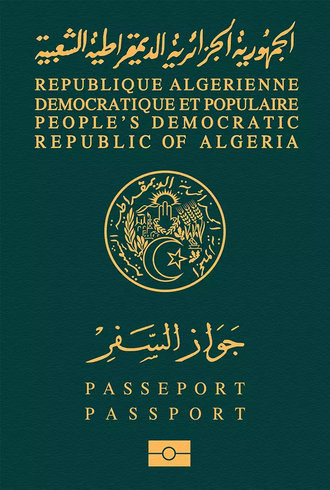
Key Facts
- Acquisition by Birth: Nationality is granted to persons born to at least one parent with Algerian nationality.
- Dual Nationality: The Nationality Code does not provide for dual nationality, though a requirement to renounce other citizenships during naturalization was removed in 2005.
- Gender Equality: Since 2005, women have equal rights to pass their nationality to their children and foreign spouses.
- Political Restrictions: Certain executive and political positions require that the candidate and their spouse hold no other nationality.
Acquisition and Loss of Nationality
By Birth and Naturalization
The primary method of obtaining Algerian nationality is through jus sanguinis (right of blood), where individuals born to at least one Algerian parent are recognized as nationals. Additionally, the state provides pathways for naturalization, though these have historically been subject to specific political criteria, such as participation in the struggle for independence during the early post-colonial era.
Dual Nationality and Restrictions
Algeria's stance on dual nationality has shifted over time. While the 1963 Code was silent on the matter, a 1970 stipulation required the renunciation of any other nationality to complete the naturalization process. This requirement was eliminated in 2005. However, dual nationality can still lead to the revocation of nationality in certain instances, and it remains a disqualifier for specific high-level political and executive roles for both the candidate and their spouse.
Historical Evolution of Nationality
The French Colonial Period (1834–1962)
During the French period, a complex two-tiered system of subjecthood existed. Under the Sénatus-consulte of 1865, Algerian Muslims and Jews were considered nationals but not full citizens of France, as they remained under Koranic or Mosaic law. To gain full citizenship, individuals had to renounce their religious laws and abide by French law.
Significant shifts occurred with the Crémieux Decree of 1870, which collectively granted full French citizenship to Algerian Jews. For the Muslim majority, the Code de l'indigénat (Code of Indigenous Status) of 1881 imposed repressive statutes while allowing customary law for marriage and inheritance.
Throughout the early 20th century, France fluctuated between jus sanguinis (descent) and jus soli (right of the soil). The 1889 law automatically naturalized foreigners born in Algeria upon reaching the age of majority, though this often excluded the native Muslim population. By 1946, the Constitution granted French citizenship to all subjects of France's territories without requiring them to renounce their personal status as natives.
Post-Independence and Modern Reforms (1962–Present)
Following independence in 1962 and the Évian Accords, nationals had to choose between Algerian or French nationality. The 1963 Nationality Code initially set strict requirements, limiting nationality to those with two paternal ancestral lines of Muslim status in Algeria.
A major turning point occurred in the early 2000s regarding gender equality. Although Algeria signed the Convention on the Elimination of All Forms of Discrimination Against Women (CEDAW) in 1996, it initially reserved items regarding nationality. Following pressure from women's rights groups, Ordinance No. 05-01 was passed in February 2005. This landmark amendment granted women equality in passing nationality to their children and foreign spouses, and Algeria subsequently removed its reservations to CEDAW in 2009.
Summary of Nationality Framework
| Category | Provision/Status | Key Notes |
|---|---|---|
| Birthright | At least one parent is Algerian | Based on jus sanguinis |
| Dual Nationality | Not formally provided for | Renunciation requirement removed in 2005 |
| Gender Equality | Full equality since 2005 | Women can pass nationality to children/spouses |
| Political Office | Single nationality required | Applies to candidates and their spouses |
Frequently Asked Questions
Can a child born to one Algerian parent acquire nationality?
Yes, persons born to at least one parent with Algerian nationality are eligible for Algerian nationality.
Does Algeria allow dual citizenship?
The Nationality Code does not have a provision for dual nationality. While the requirement to renounce other nationalities for naturalization was removed in 2005, dual nationality may still result in revocation or disqualify individuals from certain political positions.
How did the 2005 amendment change nationality laws for women?
The 2005 amendment (Ordinance No. 05-01) granted women equal rights to pass their nationality to their children and to their foreign spouses, correcting previous disparities in the Nationality and Family Codes.
What was the impact of the Crémieux Decree of 1870?
The Crémieux Decree collectively naturalized Algerian Jews, granting them full French citizenship, unlike the native Muslim population who remained non-citizen nationals.
What are the requirements for holding certain political positions in Algeria?
Certain political and executive positions require that the candidates, as well as their wives, hold no nationality other than Algerian.