Afro Fusion: The Evolution of South African Sound and Dance
Afro fusion (also known as afrofusion or afro-fusion) is a dynamic artistic movement that blends traditional African elements with global contemporary styles. Emerging prominently in South Africa during the 1970s and 1980s, it represents a bridge between ancestral heritage and modern experimentation, manifesting as both a sophisticated musical genre and a pioneering dance style.
At its core, Afro fusion is crossover music—a term describing a style that transcends a single genre to appeal to a broad, international audience. By integrating traditional African music with worldbeat, afropop, and experimental sounds, artists have created a sonic language that is both deeply rooted in local identity and globally accessible.
Key Facts
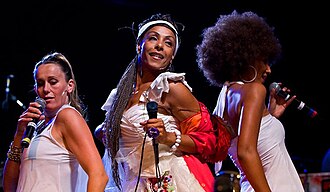
- Origins: Developed primarily in South Africa during the 1970s and 1980s.
- Dual Nature: Exists as both a musical genre and a specific style of dance.
- Dance Pioneer: The Afro fusion dance style was pioneered by South African choreographer Sylvia Glasser.
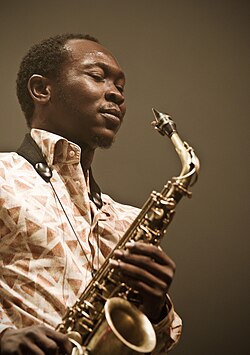
- Instrumentation: Combines traditional tools like the mbira with modern instruments like the saxophone and keyboard.
- Global Reach: Influences range from the works of Miriam Makeba to modern stars like Jidenna.
The Art of Afro Fusion Dance
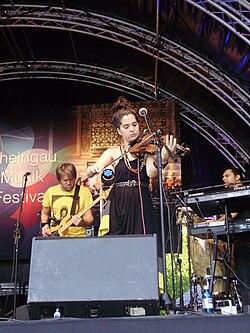
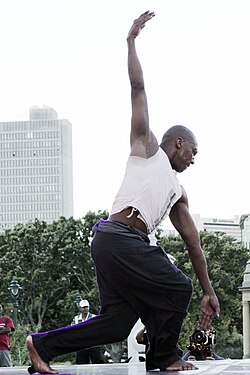
Beyond the auditory experience, Afro fusion is a recognized dance style. This movement was pioneered by the South African dancer and choreographer Sylvia Glasser. Her work integrated traditional movements with contemporary dance, creating a hybrid form that reflects the complex cultural landscape of South Africa.
This choreographic approach often blends the sacred and the secular, drawing from ceremonial and ecstatic dance traditions to create performances that are as much about spiritual expression as they are about technical skill.
The Musical Journey of Afro Fusion
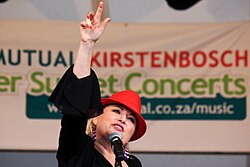
The musical evolution of Afro fusion is a story of resistance, identity, and innovation. It draws from a vast array of stylistic origins, including South African traditional music, jazz fusion, and various regional styles such as marabi, maskandi, and gqom.
Foundations and Early Influence (1970s–1990s)
During the 1970s and 1980s, the genre began to coalesce as artists sought to blend traditional sounds with the emerging global pop and jazz scenes. Figures like Miriam Makeba played a pivotal role in bringing African sounds to the world stage, often collaborating with international artists to create a global dialogue.
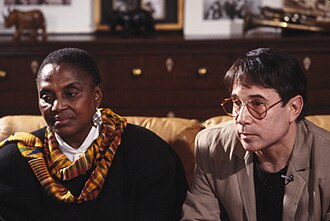
The 1990s saw a further expansion of these sounds, with artists experimenting with the intersection of dance and music. This era laid the groundwork for the highly polished productions that would follow in the new millennium.
Modern Expansion (2000s–Present)
In the 21st century, Afro fusion has evolved into a diverse ecosystem. Bands like Freshlyground brought a polished African pop sound to the global dance floor, contributing to the massive success of the 2010 World Cup anthem "Waka Waka" alongside Shakira.
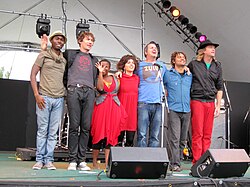
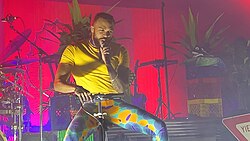
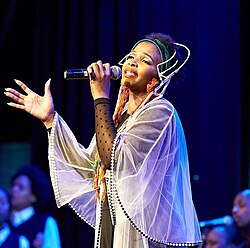
Contemporary artists continue to push the boundaries. From the pan-African house music of the collective Batuk to the soulful ingenuity of Simphiwe Dana and the modern Afro-fusion albums of Jidenna, the genre remains in a state of constant flux, incorporating elements of R&B, soul, and electronic music.
Instrumentation and Sound
The unique texture of Afro fusion comes from its eclectic choice of instruments. It seamlessly blends indigenous African instruments with Western orchestral and electronic tools.
| Instrument Category | Examples |
|---|---|
| Traditional African | Mbira, Drums |
| Wind & Brass | Saxophone, Harmonica |
| Strings | Violin, Steel-string acoustic guitar |
| Modern/Electronic | Keyboard, Synthesizers |
| Vocal | Traditional and contemporary singing |
This blend allows for a wide emotional range, from the meditative sounds of the mbira (a traditional thumb piano) to the high-energy drive of a saxophone section.
Notable Artists and Collaborations
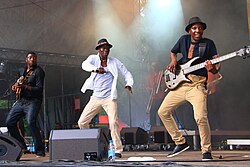
The history of Afro fusion is marked by legendary collaborations that bridge continents. Paul Simon's work with South African musicians is a landmark example of this crossover appeal.
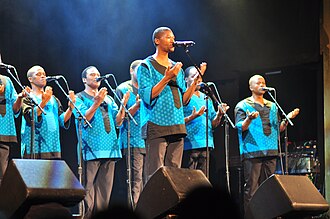
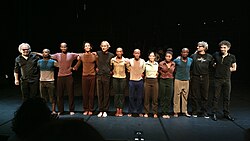
Other significant contributors include Zap Mama, known for her vocal experimentation, and Gregory Maqoma, whose work with the Vuyani Dance Theater and the Erik Truffaz Quartet exemplifies the fusion of music and dance on a global stage.
Frequently Asked Questions
What exactly is Afro fusion?
Afro fusion is a hybrid artistic style that blends traditional African music and dance with contemporary global genres like pop, jazz, and electronic music. It originated primarily in South Africa during the late 20th century.
Who pioneered Afro fusion as a dance style?
The Afro fusion dance style was pioneered by the South African dancer and choreographer Sylvia Glasser, who integrated traditional African movements with modern dance techniques.
What instruments are typically used in Afro fusion music?
Afro fusion uses a mix of traditional and modern instruments, including the mbira, drums, saxophone, violin, steel-string acoustic guitar, and keyboards.
How does Afro fusion differ from Afrobeat?
While both draw from African roots, Afro fusion is a broader "crossover" term that encompasses a wider variety of global influences and includes a specific dance component, whereas Afrobeat is a more specific genre rooted in West African rhythms and jazz.
Which famous artists are associated with this style?
Notable artists include Miriam Makeba, Freshlyground, Jidenna, Simphiwe Dana, and the collective Batuk, among others who blend African traditions with modern sounds.