Kwela Music: The Vibrant Sound of South African Street Culture
Kwela is a spirited genre of street music that emerged from southern Africa, blending local rhythms with jazz-inspired elements. Characterized by its distinctive skiffle-like rhythm—a style of folk music typically played on acoustic instruments—and the bright, piercing sound of the pennywhistle, Kwela brought South African musical artistry to the global stage during the 1950s.
The genre evolved from marabi, an early South African keyboard style, and eventually permeated Western music. Its influence can be heard in the 1962 album A Swingin' Safari by the Bert Kaempfert Orchestra and Paul Simon's 1986 landmark album Graceland. Even the 1980 UK Top Ten hit "Tom Hark" by The Piranhas was based on a Kwela song from the 1950s, demonstrating the genre's lasting appeal and its role in shaping the "lilting swagger" of modern South African jazz.
Key Facts
- Primary Instrument: The pennywhistle, chosen for its affordability, portability, and versatility.
- Origins: Developed from marabi sound and influenced by a blend of local South African and Malawian immigrant music.
- Global Impact: Gained international prominence in the 1950s and influenced later Western pop and jazz.
- Cultural Role: Often played by young men on street corners who also served as lookouts for police.
The Role of the Pennywhistle
The pennywhistle is the defining instrument of Kwela. Its popularity was driven by practical factors: it was inexpensive and easy to carry, making it accessible to street musicians. Beyond cost, the instrument is highly versatile, working equally well for solo performances or as part of a larger ensemble.
The adoption of the pennywhistle was likely aided by the long-standing tradition of various flutes among peoples in the northern regions of South Africa. This cultural familiarity allowed musicians to quickly adapt traditional folk tunes into the new, marabi-influenced Kwela style.
Origins and Cultural Meaning
The term "kwela" is most commonly derived from the Zulu word for "climb." However, in township slang, it also referred to the "kwela-kwela," the vans used by the police. Because of this double meaning, the word could serve as both an invitation to join a dance and a warning of impending police raids.
Historically, young pennywhistle players on street corners acted as sentinels. They would warn patrons of shebeens (informal, unlicensed bars) when police arrived. It is believed that white observers, unaware of the slang, mistakenly thought "kwela" referred to the music itself when they heard people shouting "Here comes the kwela, kwela!" to signal the police.
The genre's development was further enriched by Malawian immigrants to South Africa. In Chichewa, the language of Malawi, "kwela" also means "to climb." While the music was popularized in South Africa, it later returned to Malawi, where contemporary artists continue to produce Kwela music today.
Musical Structure and Theory
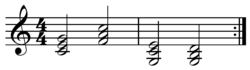
There is some debate among musicologists regarding the specific harmonic structure of Kwela. Some assert that the genre exclusively uses the chord progression I-IV-I-V. Others argue that no single progression defines the genre, though I-IV-V-I and I-I-IV-V are noted as being particularly prevalent.
Prominent Kwela Artists
The genre produced several virtuosos of the pennywhistle. Spokes Mashiyane was one of the most prominent figures, known for his influential tunes. Other renowned artists and groups include:
- Lemmy Mabaso
- Jack Lerole and Aaron Lerole
- The Skylarks
- The Solven Whistlers
- Kippie Moeketsi
- Gwigwi Mrwebe
- Donald Kachamba (Malawi)
| Feature | Description |
|---|---|
| Core Instrument | Pennywhistle |
| Rhythmic Style | Skiffle-like / Jazz-inspired |
| Root Genre | Marabi |
| Key Regions | South Africa and Malawi |
| Common Progressions | I-IV-I-V, I-IV-V-I, I-I-IV-V |
Frequently Asked Questions
What does the word "Kwela" mean?
In Zulu and Chichewa, "kwela" means "to climb." In South African township slang, it also referred to police vans (kwela-kwela), making the term both a dance invitation and a warning signal.
Why was the pennywhistle used in Kwela music?
The pennywhistle was used because it was affordable, portable, and versatile. Additionally, its similarity to traditional flutes used in northern South Africa made it easy for musicians to adapt folk tunes.
How did Kwela influence Western music?
Kwela's rhythms and sounds influenced various Western artists, notably appearing in the works of the Bert Kaempfert Orchestra and Paul Simon. The 1980 hit "Tom Hark" by The Piranhas was also based on a 1950s Kwela song.
What is the relationship between Kwela and Marabi?
Kwela evolved from the marabi sound, which was an earlier form of South African urban music, blending those foundations with jazz and immigrant influences from Malawi.
Is there a specific chord progression for Kwela?
While some claim the I-IV-I-V progression is exclusive to the genre, others suggest that I-IV-V-I and I-I-IV-V are also common, or that there is no single defining progression.