Understanding Aesculus hippocastanum: The Majestic Horse Chestnut
The Aesculus hippocastanum, commonly known as the horse chestnut, is a large, deciduous tree that commands attention in parks and streets across the temperate world. A member of the Sapindaceae family—which also includes maples, soapberries, and lychees—this synoecious species (meaning it bears hermaphroditic flowers) is celebrated for its spectacular spring blooms and distinctive fruit.
While often confused with the sweet chestnut (*Castanea sativa*), the horse chestnut belongs to an entirely different botanical family. Whether you know it as the "conker tree," "buckeye," or "European horse chestnut," this species holds a unique place in both natural ecosystems and human history.
Key Facts
- Scientific Name: Aesculus hippocastanum
- Conservation Status: Vulnerable (IUCN 3.1)
- Native Range: Primarily the Balkans, including Albania, Bulgaria, Greece, and North Macedonia.
- Distinctive Feature: Horseshoe-shaped leaf scars with seven "nails."
- Fruit: Spiky green capsules containing glossy brown seeds known as conkers.
- Toxicity: Seeds contain saponins and glucosides, making them unsafe for human consumption.
Botanical Description and Characteristics
Growth and Foliage
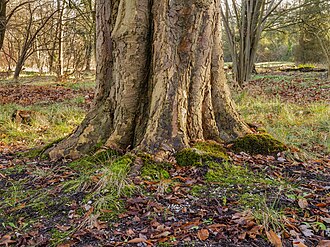
A mature horse chestnut can reach heights of approximately 39 metres (128 ft), forming a wide, domed crown with stout branches. On older specimens, the outer branches may become pendulous with curled tips. The leaves are palmately compound, meaning the leaflets radiate from a single point like fingers on a hand. These leaves can reach up to 60 cm (24 in) across, featuring 5–7 leaflets.
One of the easiest ways to identify this tree is by its leaf scars. When leaves fall, they leave behind a distinctive horseshoe shape on the twigs, complete with seven small marks resembling "nails."
Flowers and Fruit
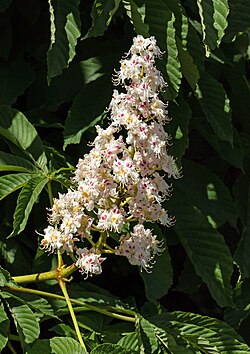
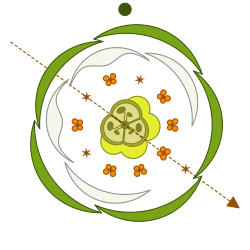
In the spring, the tree produces upright clusters of flowers called panicles. These panicles stand 10–30 cm tall and hold between 20 and 50 flowers each. The petals are typically white with a yellow or pink blotch at the base. Notably, the pollen is not poisonous to honey bees.
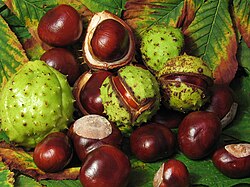
Following the flowering stage, the tree develops fruit in the form of green, spiky capsules. Each capsule typically contains one seed, though occasionally two or three may develop. These seeds, or conkers, are 2–4 cm in diameter, glossy nut-brown, and feature a whitish scar at the base.
Distribution and Habitat
The native range of the horse chestnut is a subject of varying botanical assessments. While some sources include Turkey and Turkmenistan, the IUCN Red List identifies its native distribution within the Balkan area, specifically Albania, Bulgaria, mainland Greece, and North Macedonia. In Bulgaria, relict horse chestnut forests are critically endangered and protected within the Dervisha Managed Nature Reserve.
Despite its specific native range, the tree has been widely introduced globally. It thrives in temperate climates and can be found as far north as Norway and Sweden, as well as in major cities across Canada and the United States.
Cultural and Historical Significance
The Conker Tradition and War Efforts
In Britain and Ireland, the seeds are the centerpiece of the popular children's game "conkers." Beyond play, these seeds played a surprising role during the World Wars. During both WWI and WWII, the government encouraged the collection of conkers to provide starch for the production of acetone. This was a strategic move to avoid depleting food sources, as the starch was used in the fermentation process to create solvents for military armaments.
European Traditions
In Germany, particularly in Bavaria, horse chestnut trees are staples of beer gardens. Historically, brewers planted these trees near beer cellars because their dense, spreading canopies provided shade, and their shallow root systems would not interfere with the underground cooling caverns.
A Symbol of Resilience and Identity
The tree holds deep symbolic value in various regions. It is a symbol of Kyiv, the capital of Ukraine. Furthermore, a famous horse chestnut tree once stood outside the "secret annex" in Amsterdam, mentioned in Anne Frank's diary. Although that specific tree fell in 2010, eleven saplings grown from its seeds have been planted in notable institutions across the United States.
Uses, Safety, and Health Research
Traditional and Modern Uses
The seeds can be used to create an inexpensive, eco-friendly laundry detergent. Additionally, the tree is a popular subject for bonsai enthusiasts. In traditional medicine, extracts standardized to approximately 20 percent aescin (escin) have been studied for their effects on venous tone.

Safety Warnings and Toxicity
It is vital to note that the raw seeds, leaves, bark, and flowers are toxic due to the presence of aesculin, glucosides, and saponins. While safe to touch, ingesting them causes sickness. In horses, consumption can lead to tremors and lack of coordination. The FDA classifies the horse chestnut seed as an unsafe herb. Furthermore, high doses of intravenous extracts have been linked to risks of acute kidney injury in clinical settings.
Common Diseases and Pests
The health of the horse chestnut is often challenged by several biological factors:
- Horse-chestnut leaf miner (Cameraria ohridella): A moth whose larvae bore through leaves, causing premature discoloration and leaf loss.
- Bleeding canker: A potentially lethal bacterial infection.
- Guignardia leaf blotch: A fungal infection caused by Guignardia aesculi.
- Phytophthora bleeding canker: A fungal disease.
- Horse chestnut scale: An insect-driven issue caused by Pulvinaria regalis.
Summary of Aesculus hippocastanum
| Feature | Details |
|---|---|
| Family | Sapindaceae |
| Leaf Type | Palmately compound (5–7 leaflets) |
| Flower Color | White with yellow/pink base |
| Fruit Type | Spiky green capsule containing conkers |
| Primary Threat | Leaf miner moth and bleeding canker |
| Key Compound | Aescin (found in seed extract) |
Frequently Asked Questions
Are horse chestnuts edible?
No. The seeds (conkers) are slightly poisonous and contain saponins and glucosides. Ingesting them can cause sickness in humans and tremors in horses.
What is the difference between a horse chestnut and a sweet chestnut?
They are entirely different species from different families. The horse chestnut (*Aesculus hippocastanum*) belongs to the Sapindaceae family, while the sweet chestnut (*Castanea sativa*) belongs to the Fagaceae family.
Can horse chestnut extract be used for medical purposes?
Some research, including a 2012 Cochrane Review, suggests that standardized seed extract may be a safe short-term treatment for chronic venous insufficiency, though more definitive clinical trials are needed.
Why are the leaves of the horse chestnut tree turning brown early?
This is often caused by the horse-chestnut leaf miner (*Cameraria ohridella*), a moth whose larvae feed on the leaves, leading to premature color changes and leaf loss.
Is the horse chestnut tree a symbol of any city?
Yes, the horse chestnut tree is one of the official symbols of Kyiv, the capital of Ukraine.