Adolfo Bellocq: The Master of Argentine Lithography
Adolfo Bellocq (1899–1972) stands as a pivotal figure in the history of Argentine art, renowned for his mastery of printmaking and his commitment to capturing the raw essence of urban life. A self-taught virtuoso, Bellocq utilized the medium of lithography—a printing process based on the chemical repulsion of oil and water—to document the social realities of his time.
Born in Buenos Aires, Bellocq did not follow a traditional academic path. Instead, he independently mastered xylography (woodcut printing) and engraving. His innate talent and technical proficiency led to a prestigious appointment in 1928, when he became the Director of the Lithography Workshop at the esteemed Ernesto de la Cárcova Fine Arts School in Buenos Aires.
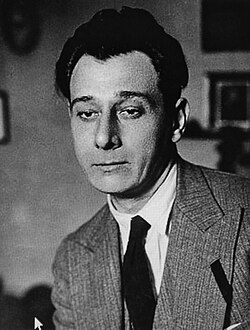
Artistic Focus and the Boedo Group
Bellocq is best remembered for his evocative portrayals of the working class. He focused his lens on the harsh conditions found within the slaughterhouses of Buenos Aires' southside, earning early critical acclaim for these poignant works. This success culminated in 1931, when he organized the first Argentine Lithography Exposition.
His influence extended beyond the studio and into the literary and social spheres of the city. Bellocq became a contributor to Claridád, the premier art periodical of the era. Through this publication, he collaborated with a circle of artists and writers who formed the Boedo Group, named after the southside avenue where the magazine was published. This group was characterized by its focus on social issues and the lives of the marginalized.
Literary Contributions
In addition to his standalone prints, Bellocq was a skilled illustrator. One of his most notable achievements in this field was his work on a 1930 edition of Martín Fierro, the seminal poem by José Hernández.
International Recognition and Legacy
The quality of Bellocq's work attracted the attention of prominent art patrons, including Eduardo Bullrich and Francisco Colombo. His talent gained international validation in 1937 when he was awarded a silver medal at the Paris International Art Exposition.
Despite this acclaim, much of Bellocq's physical legacy was compromised by the materials he used. Because he often produced his lithographs on untreated wooden planks and newsprint, the works were fragile. While patrons like Colombo and Bullrich financed the curation of over 400 examples, it is estimated that over 2,000 of his lithographs were lost over time due to material degradation.
Key Facts
- Lifespan: 1899–1972.
- Specialties: Lithography, xylography, and engraving.
- Key Role: Director of the Lithography Workshop at Ernesto de la Cárcova Fine Arts School (appointed 1928).
- Major Milestone: Organized the first Argentine Lithography Exposition in 1931.
- Affiliation: Member of the Boedo Group.
- Award: Silver medal at the 1937 Paris International Art Exposition.
| Category | Details |
|---|---|
| Primary Mediums | Lithography, Xylography, Engraving |
| Notable Publication | Claridád (Periodical) |
| Notable Illustration | Martín Fierro (1930 edition) |
| Key Patrons | Francisco Colombo and Eduardo Bullrich |
| Loss of Work | Over 2,000 prints lost due to newsprint/untreated wood usage |
Frequently Asked Questions
What was the Boedo Group?
The Boedo Group was a collective of artists and writers associated with the periodical Claridád, named after the southside avenue in Buenos Aires where the magazine was published.
What subjects did Adolfo Bellocq typically depict?
Bellocq is well-known for his evocative depictions of the harsh working conditions in the slaughterhouses located on the southside of Buenos Aires.
Why were so many of Bellocq's works lost?
A significant portion of his work—over 2,000 lithographs—was lost because he used unstable materials, specifically newsprint and untreated wooden planks, which decayed over time.
Which major international award did he receive?
Adolfo Bellocq was awarded a silver medal at the Paris International Art Exposition in 1937.
Was Adolfo Bellocq formally trained in art?
No, Bellocq was self-taught in the arts of engraving and xylography before becoming a director at the Ernesto de la Cárcova Fine Arts School.