Active Immunity: How the Body Builds Long-Term Defense
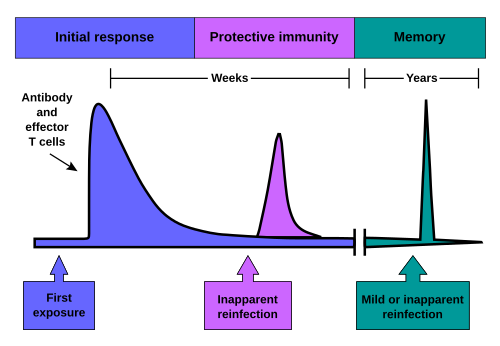
Active immunity is a sophisticated biological process where the body's immune system prepares itself to fight future challenges. This form of adaptive immunity occurs when B cells and T cells are activated by a pathogen, leading to the development of memory B-cells and T-cells. These specialized cells "remember" specific pathogens, allowing the body to mount a rapid and powerful secondary response if the same pathogen is encountered again later in life.
First described in 1921 by English immunologist Alexander Glenny, active immunity involves a combination of cell-mediated and humoral (antibody-mediated) responses, often supported by the innate immune system.
Key Facts
- Immunological Memory: Memory cells allow for a faster, stronger response during reinfection, often making subsequent infections mild or unapparent.
- Two Paths: Active immunity can be acquired naturally through infection or artificially through vaccination.
- Vaccine Diversity: Vaccines range from killed microorganisms (inactivated) to genetic instructions (mRNA/DNA).
- Hybrid Immunity: Combining natural infection and vaccination can significantly enhance the immune response against certain variants.
Naturally Acquired Active Immunity
Naturally acquired active immunity is the result of surviving an infection. When an individual is exposed to a live pathogen and develops a primary immune response, the body creates a lasting immunological memory. However, this process can be hindered by certain medical conditions, including immunosuppression or immunodeficiency (which may be congenital or acquired).
Artificially Acquired Active Immunity
Artificial active immunity is induced via a vaccine—a substance containing an antigen (a molecule that triggers an immune response). Vaccines stimulate a primary response without causing the symptoms of the actual disease.
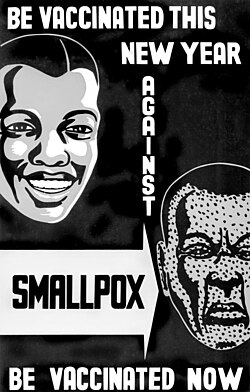
The concept of vaccination was pioneered by Edward Jenner and further developed by Louis Pasteur. Pasteur coined the term "vaccine" as a generic term to honor Jenner's work, utilizing methods to treat infectious agents so they could no longer cause serious illness. Historically, the importance of this practice was recognized early; in 1807, Bavaria became the first entity to require military recruits to be vaccinated against smallpox due to its prevalence in combat zones.
Traditional Vaccine Types
There are four primary categories of traditional vaccines:
- Inactivated Vaccines: Micro-organisms killed by heat or chemicals. They are non-infectious but often require booster shots. Examples include vaccines for flu, cholera, plague, and hepatitis A.
- Live, Attenuated Vaccines: Micro-organisms cultivated to be unable to induce disease. These provide more durable responses, though boosters may still be needed. Examples include measles, mumps, rubella, and yellow fever.
- Toxoids: Inactivated toxins produced by micro-organisms. These are used when the toxin, rather than the organism itself, causes the illness. Examples include tetanus and diphtheria.
- Subunit, Recombinant, Polysaccharide, and Conjugate Vaccines: These use only small fragments of a pathogen. A key example is the Hepatitis B vaccine.
Modern Vaccine Technologies
Advancements in science have introduced newer vaccine methodologies:
- Outer Membrane Vesicle (OMV) Vaccines: These contain only the outer membrane of a bacterium, stimulating an immune response without the risk of infection from internal genetic material.
- Genetic Vaccines: These deliver nucleic acids (DNA, RNA, or viral vectors) that instruct host cells to produce an antigen, which then triggers the immune response.
While most vaccines are administered via intramuscular or hypodermic injection to ensure absorption, some (such as live attenuated polio or certain cholera vaccines) are given orally to establish immunity within the bowel.
Hybrid Immunity
Hybrid immunity occurs when an individual possesses both natural and artificial immunity. Research indicates that hybrid-immune individuals may have a superior ability to neutralize certain pathogens. For example, studies on SARS-CoV-2 showed that those with hybrid immunity were better able to neutralize the Beta variant and other strains compared to those who were vaccinated but never infected.
On October 29, 2021, the Centers for Disease Control and Prevention (CDC) noted that both infection and vaccination provide a low risk of subsequent infection from similar variants for at least six months. Furthermore, vaccinating previously infected individuals significantly enhances the immune response and reduces the risk of reinfection, even with more infectious variants.
| Type | Source | Mechanism | Examples |
|---|---|---|---|
| Naturally Acquired | Live Pathogen | Survival of natural infection | Recovering from measles |
| Artificially Acquired | Vaccine | Exposure to antigens/nucleic acids | Flu shot, mRNA vaccines |
| Hybrid | Both | Combined natural and vaccine response | Vaccination after recovery from COVID-19 |
Frequently Asked Questions
What is the difference between a primary and secondary immune response?
A primary response occurs when the body first encounters a pathogen, leading to the creation of memory cells. A secondary response occurs upon reinfection, where those memory cells trigger a much faster and stronger production of antibodies and T cell activity.
How do inactivated vaccines differ from live attenuated vaccines?
Inactivated vaccines use microorganisms killed by chemicals or heat and generally require boosters. Live attenuated vaccines use weakened versions of the pathogen that cannot cause disease but typically provide a more durable, long-lasting immune response.
What are toxoid vaccines?
Toxoid vaccines are made from inactivated toxins produced by bacteria. They are used for diseases where the illness is caused by the toxin rather than the bacteria itself, such as tetanus and diphtheria.
What is hybrid immunity?
Hybrid immunity is the combination of immunity gained from a natural infection and immunity gained from vaccination. This combination has been shown to enhance the immune response against certain viral variants.
Why are some vaccines given orally instead of by injection?
Certain vaccines, such as those for polio or cholera, are administered orally specifically to produce immunity based in the bowel, where they are most effective.