Acropolis: The High Citadels of Ancient Civilizations
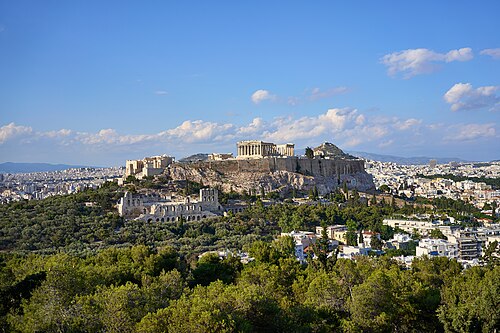
In the landscape of ancient urban planning, few structures are as iconic as the acropolis. Derived from the Greek words akron (meaning "top") and polis (meaning "city"), an acropolis was the settlement located on the upper part of an ancient Greek city. Typically situated on a hill with precipitous sides, these sites were strategically chosen for defense, serving as fortified citadels that protected the community below.
While the term is most famously associated with the Acropolis of Athens, nearly every Greek city possessed its own. These elevated sites functioned as the nuclei of classical cities, serving as religious centers, military forts, and residences for royalty and high-status individuals.
Key Facts
- Etymology: The word comes from the Greek "Ακρόπολις," combining "top" and "city."
- Primary Functions: Used as defensive forts, places of worship, and royal residences.
- Global Presence: While Greek in origin, the term is used by archaeologists to describe similar structures in Mayan cities and the Castro culture of the Iberian Peninsula.
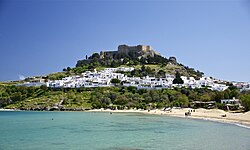
- Famous Examples: Includes the Acropolis of Athens, the Acropolis of Lindos, and the Ankara Acropolis.
The Diversity of Acropolises
Across the ancient world, the acropolis model was adapted to meet specific local needs, ranging from naval defense to royal funerary rites.
The Acropolis of Athens
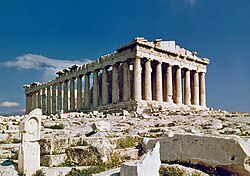
The most renowned example is the Athenian Acropolis. This collection of structures features a citadel on the highest point of Athens. Many of its most famous monuments were built in the 5th century BCE, including the Propylaea, the Erechtheion, and the Temple of Athena, better known as the Parthenon (named after the divine Athena Parthenos). Beyond its religious and defensive roles, it served as a community center for music, plays, and dance.
Regional and International Variations
- Tepecik Acropolis (Patara): This site combined land and sea defenses, serving as a harbor for naval forces. Built in the 4th century BCE by the Hekatomnids, it was later seized by Alexander the Great in 334 BCE. It is noted for its emplekton ("woven") masonry style used for weight-bearing walls.
- Acropolis at Halieis: Dating from the Neolithic to the Classical periods, this site featured a fortified wall, a necropolis (cemetery), and a sanctuary of Apollo containing two temples and a race course.
- Ankara Acropolis: Located in modern-day Turkey, this site evolved from the Phrygian period and served as a symbolic center for holy worship and legislative change.
- Mayan Acropolises: In Guatemala, sites like La Blanca and Piedras Negras utilized the acropolis model. La Blanca's acropolis (used 600 AD to 850 AD) served as a residence for rulers and a commercial trade hub, while others contained vaulted tombs for high-status royalty.
Modern Interpretations and Cultural Ties
The concept of the acropolis continues to influence language and culture today, often used metaphorically to describe high-elevation areas of intellectual or cultural significance.
The "Academic Acropolis"
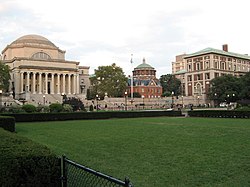
In New York City, the neighborhood of Morningside Heights is frequently called the "Academic Acropolis." This is due to its high elevation and the dense concentration of educational institutions, such as Columbia University, Barnard College, and the Jewish Theological Seminary. The neoclassical architecture of the Columbia campus further reinforces this analogy.
Other Cultural References
The ruins of the Great Stone Church at Mission San Juan Capistrano in California have been dubbed an "American Acropolis" because of their Greco-Roman architectural style. Today, this site hosts cultural events, including operas.
Archaeological Significance
Modern understanding of these sites is driven by extensive excavations. In Athens, research has helped identify the Parthenon treasury in the western part of the structure. At Halieis, excavations provided critical evidence dating the site from the Final Neolithic period through the first Early Helladic period. These digs frequently uncover pottery, ceramics, and terracotta figurines that offer a window into ancient daily life.
| Site | Location | Primary Feature/Use | Key Period |
|---|---|---|---|
| Acropolis of Athens | Athens, Greece | Parthenon & Religious Center | 5th Century BCE |
| Tepecik Acropolis | Patara, Turkey | Naval Harbor & Fortification | 4th Century BCE |
| Acropolis of La Blanca | Guatemala | Royal Residence & Trade | 600 AD - 850 AD |
| Ankara Acropolis | Ankara, Turkey | Holy Worship & Legislation | Phrygian Period onwards |
Frequently Asked Questions
What does the word acropolis actually mean?
The term comes from the Greek words "akron" (top) and "polis" (city), literally translating to "city on the top" or "high city."
Was the acropolis only used for defense?
No. While defense was a primary reason for their location on high ground, acropolises also served as religious centers, places of worship, and residences for the city's royalty and elite.
Are there acropolises outside of Greece?
Yes. While the term is Greek, archaeologists use it to describe similar structures in Mayan cities (like Tikal and Copán) and the Castro culture of Northwestern Iberia. Other cultures had similar citadels, such as the alcázars of Spain or the Rock of Cashel in Ireland.
What is the significance of the Parthenon?
The Parthenon is the most famous temple on the Athenian Acropolis, dedicated to the goddess Athena Parthenos. It represents the pinnacle of classical Greek architecture and served as a central point of worship and community identity.
How do modern cities use the term acropolis?
Modernly, it is often used as a metaphor for a center of learning or culture. For example, Morningside Heights in Manhattan is called the "Academic Acropolis" due to its elevation and the presence of several major universities.