2016 Turkish Coup d'état Attempt
On the night of July 15 and into the early hours of July 16, 2016, Turkey experienced a dramatic and violent attempt to overthrow its democratically elected government. The event, characterized by military incursions in major cities and a high-stakes standoff between state institutions, fundamentally reshaped the political and social landscape of the Republic of Turkey.
The attempt was led by a faction within the military calling itself the Peace at Home Council. While the plotters sought to seize control of the state, they were met with fierce resistance from the government, loyalist military units, and thousands of civilians who took to the streets upon the call of President Recep Tayyip Erdoğan.
Key Facts
![Exodus, an award winning movie focusing on the stories of a group of people forced to flee Turkey to seek asylum in Europe post 2016 coup attempt.[219]](/images/3f/53/3f531ce8995af1a512b58ef66663886afa344cc7c0efe381ab7a17dbfdd01655.jpg)
- Date: July 15–16, 2016.
- Primary Locations: Ankara, Istanbul, and Marmaris.
- Outcome: The coup failed; the Turkish government remained in power.
- Casualties: Between 24 and 104 people killed, including 67 pro-state forces (62 police officers and 5 soldiers).
- Legal Impact: Approximately 3 million Turkish citizens were tried for terrorism between 2016 and 2024.
- Alleged Mastermind: The Turkish government blamed Fethullah Gülen, a US-based cleric.
The Attempted Takeover
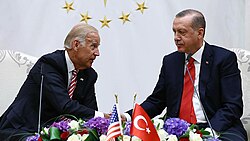
The coup began with elements of the Turkish Armed Forces, including the Air Force, Naval Forces, and Gendarmerie, attempting to seize strategic points. In Ankara, the Grand National Assembly was targeted, and in Istanbul, the Bosphorus Bridge was closed by soldiers.
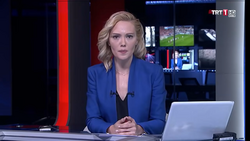
One of the most visible moments of the takeover occurred at the public broadcaster TRT, where news anchor Tijen Karaş was forced at gunpoint to read a statement announcing the establishment of the Peace at Home Council.
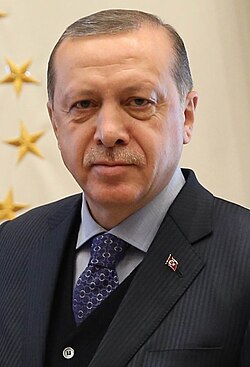
The plotters targeted high-ranking officials, including President Recep Tayyip Erdoğan, whose hotel in Marmaris was attacked. However, the tide turned when President Erdoğan used technology to call upon the Turkish public to resist the military intervention.
The Government Response
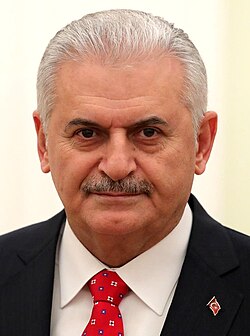
The response was a combination of loyalist military action and mass civilian mobilization. Pro-government protesters clashed with soldiers in the streets, while the Turkish National Police and the National Intelligence Organization worked to neutralize the coup plotters.
The Aftermath and Purges
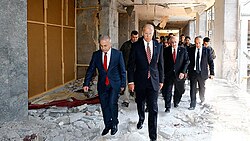
Following the failure of the coup, the Turkish government launched an extensive crackdown to remove those suspected of involvement. A state of emergency was declared and repeatedly extended, allowing for sweeping arrests and dismissals across the military, judiciary, and education sectors.
The government identified the Gülen movement—a network led by Fethullah Gülen—as the primary force behind the plot. Gülen, residing in the United States, condemned the coup and denied any involvement.
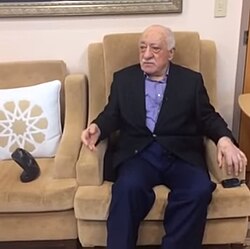
International Tensions and Asylum Bids
The event triggered a diplomatic crisis, particularly with the United States. Turkish officials accused the U.S. of harboring Gülen, leading to strained relations. Meanwhile, numerous military personnel and diplomats sought asylum in NATO countries, including Greece, Germany, Belgium, and the U.S.
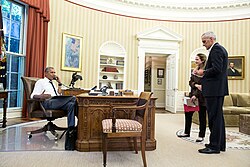
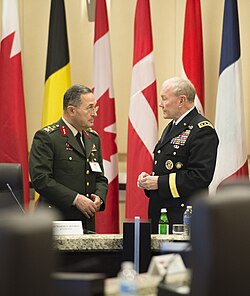
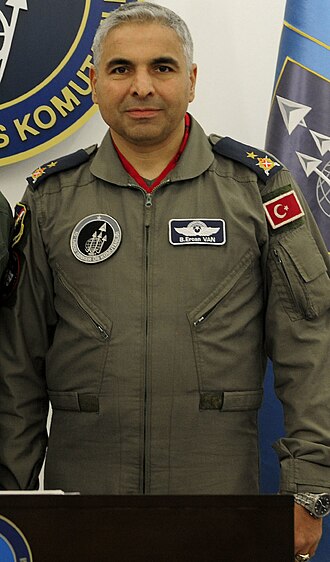
High-profile figures, such as Brig. Gen. Bekir Ercan Van and General Erdal Öztürk, were linked to the attempt, with some seeking refuge abroad while others were arrested.
Commemoration and Renaming
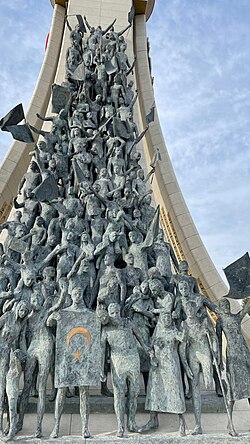
To memorialize the events, the Turkish government renamed several landmarks. The Bosphorus Bridge became the 15 Temmuz Şehitler Köprüsü (July 15 Martyrs' Bridge), and the Kızılay Square was renamed 15 Temmuz Kızılay Demokrasi Meydanı.
Summary of the 2016 Coup Attempt
| Category | Details |
|---|---|
| Belligerents | Peace at Home Council vs. Government of Turkey |
| Key Figures | Recep Tayyip Erdoğan, Binali Yıldırım, Fethullah Gülen, Akın Öztürk |
| Military Involvement | 66% of top leadership; 99% of ranking officers involved in various capacities |
| International Support (Alleged) | Egypt, UAE, USA, Israel (denied by US) |
| International Support (Actual/Stated) | UK, Russia, Ukraine, Belarus, Iran, Somalia, Qatar |
| Human Cost | 24–104 deaths; millions tried for terrorism post-event |
Frequently Asked Questions
Who was the leader of the coup attempt?
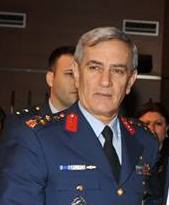
General Akın Öztürk, the former Commander of the Turkish Air Force, was reported as the leader of the coup attempt.
Why did the coup attempt fail?
The failure is attributed to the rapid mobilization of pro-government protesters, the loyalty of key military and police units, and President Erdoğan's ability to communicate directly with the public to incite resistance.
What was the role of Fethullah Gülen?
The Turkish government officially blamed Fethullah Gülen and his movement for orchestrating the coup. Gülen has consistently denied these allegations.
How did the international community react?
Reactions were mixed; while countries like Russia and Qatar supported the government, the U.S. and EU expressed concern over the subsequent mass purges and human rights reports, though they condemned the coup attempt itself.
What were the long-term legal consequences?
The aftermath saw a massive purge of state institutions and the trial of approximately 3 million citizens for terrorism between 2016 and 2024.