1986 FIFA World Cup: Argentina's Triumph in Mexico
The 1986 FIFA World Cup remains one of the most iconic tournaments in football history. Hosted by Mexico from May 31 to June 29, the event brought together 24 teams from five confederations to compete for the ultimate prize in sports. It was a tournament defined by legendary individual performances, high-scoring matches, and an electric atmosphere across 11 host cities.
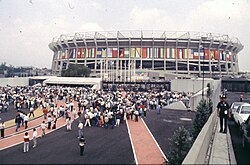
The event was centered around the massive Estadio Azteca in Mexico City, but the passion for the game extended far beyond the capital, with fans filling stadiums from Guadalajara to Puebla.
Key Facts
- Champion: Argentina (their 2nd title), remaining unbeaten throughout the tournament.
- Best Player: Diego Maradona.
- Top Scorer: Gary Lineker (England) with 6 goals.
- Total Attendance: 2,394,031 spectators.
- Total Goals: 132 goals scored across 52 matches.
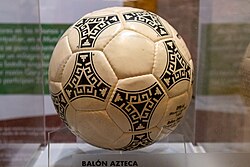
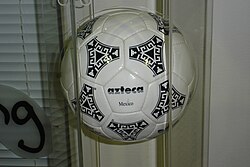
- Official Ball: Adidas Azteca.
Tournament Structure and Venues
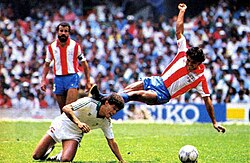
The competition began with a group stage where teams were divided into six groups. The top two teams from each group, along with the four best third-placed teams, advanced to the knockout stage. To ensure a balanced distribution, teams were seeded based on their performance in the 1982 World Cup and the host nation's status.
Mexico provided 12 world-class venues. The Estadio Azteca served as the crown jewel with a capacity of 114,600, hosting the opening match, several group games, and the final. Other significant venues included the Estadio Jalisco in Guadalajara and the Estadio Cuauhtémoc in Puebla.
Venue Summary
| Stadium | City | Capacity | Key Matches Hosted |
|---|---|---|---|
| Estadio Azteca | Mexico City | 114,600 | Opening Match, Final |
| Estadio Olímpico Universitario | Mexico City | 72,212 | Group A, Round of 16 |
| Estadio Jalisco | Guadalajara | 66,193 | Semi-finals, Quarter-finals |
| Estadio Cuauhtémoc | Puebla | 46,416 | Third Place Match |
The Road to the Final
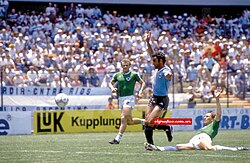
Argentina dominated Group A, progressing to the knockout stages where they faced Uruguay in the Round of 16 and England in a historic quarter-final clash. The tournament was largely defined by the brilliance of Diego Maradona, who was officially named the best player of the tournament.
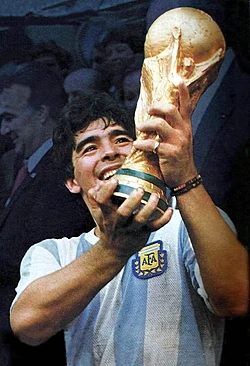
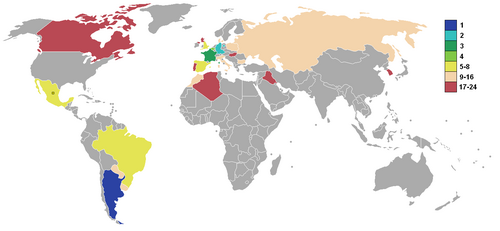
While Argentina marched toward the trophy, other teams made significant marks. France secured third place after a hard-fought match against Belgium, and West Germany proved their resilience by reaching the final.
The tournament also saw the emergence of young talent, with Enzo Scifo named the Best Young Player, and Brazil receiving the Fair Play award for their conduct on the pitch.
Symbols and Culture
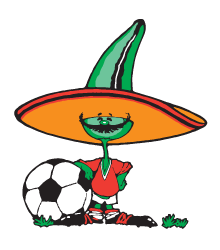
The 1986 World Cup was not just about the football; it was a cultural event. The official mascot, Pique, became a symbol of the tournament's welcoming spirit, and the Adidas Azteca ball became one of the most recognizable pieces of equipment in the sport.
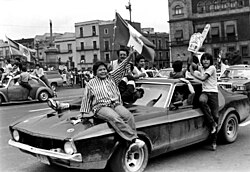
The local enthusiasm was palpable, particularly in Mexico City, where fans gathered in the Zocalo main square to celebrate their team's progress.
Frequently Asked Questions
Who won the 1986 FIFA World Cup?
Argentina won the tournament, securing their second World Cup title by defeating West Germany 3–2 in the final.
Who was the top goalscorer of the tournament?
Gary Lineker of England was the top scorer, netting a total of 6 goals.
Which stadium hosted the final match?
The final was held at the Estadio Azteca in Mexico City, which had a capacity of 114,600.
Who was awarded the Golden Ball for the best player?
Diego Maradona of Argentina received the Golden Ball, finishing with 1,282 points in the player rankings.
How many teams participated in the 1986 World Cup?
A total of 24 teams from five different confederations participated in the tournament.