1978 FIFA World Cup Argentina: A Historic Triumph
The 1978 FIFA World Cup remains one of the most memorable tournaments in football history. Hosted by Argentina from June 1 to June 25, the event saw 16 teams from five confederations compete for the ultimate prize. It was a tournament defined by high drama, exceptional individual performances, and a crowning achievement for the host nation.
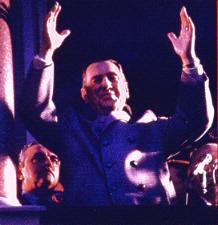
The tournament's visual identity was deeply rooted in national pride, with the official logo inspired by a specific gesture made by Juan Domingo Perón.
Key Facts
- Champions: Argentina (their 1st title)
- Runners-up: Netherlands
- Third Place: Brazil
- Fourth Place: Italy
- Top Scorer & Best Player: Mario Kempes (6 goals)
- Total Attendance: 1,545,791 spectators
- Total Goals: 102 goals scored across 38 matches
Tournament Structure and Qualification
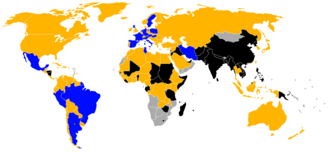
The competition featured 16 qualified nations, divided into four groups for the first round. The seeding process placed the hosts, Argentina, and the defending champions, West Germany, into separate pots to ensure a balanced distribution of talent.
The First Group Stage
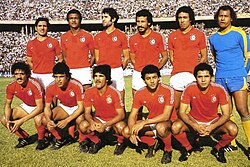
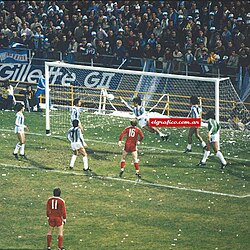
The opening round saw intense competition. Italy topped Group 1, while Poland led Group 2. Austria emerged as the leader of Group 3, and Peru dominated Group 4. Notable moments included Tunisia's surprising 3–1 victory over Mexico and Peru's strong showing against Scotland.
The Second Group Stage
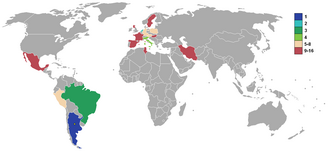
Unlike the modern knockout format, the 1978 World Cup utilized a second group stage. The top two teams from the first round were split into two new groups. The Netherlands topped Group A to secure a place in the final, while Argentina dominated Group B, winning all their matches and conceding zero goals.
The Road to Glory
The final stages of the tournament showcased the world's elite. In the match for third place, Brazil defeated Italy 2–1, with goals from Nelinho and Dirceu.
The final, held on June 25, was a grueling encounter between Argentina and the Netherlands. After a tense battle that went into extra time (a.e.t.), Argentina secured a 3–1 victory. Mario Kempes was the hero of the match, scoring twice, with Bertoni adding a third to seal the championship for the hosts.
Player Highlights and Statistics
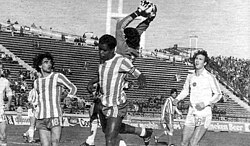
Mario Kempes established himself as the tournament's standout star, earning both the Best Player and Top Scorer awards. Other notable performances included Teófilo Cubillas of Peru, whose free-kick precision was a highlight of the group stages, and Antonio Cabrini, who was named the Best Young Player.
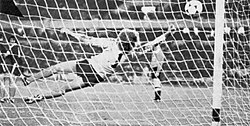
The tournament was not without its moments of controversy, including a penalty awarded to Poland after Mario Kempes used his hand to save an Argentine goal.
Tournament Summary
| Category | Detail |
|---|---|
| Host Country | Argentina |
| Dates | 1–25 June 1978 |
| Total Teams | 16 |
| Total Matches | 38 |
| Average Goals per Match | 2.68 |
| Average Attendance | 40,679 |
| Fair Play Award | Argentina |
Venues and Infrastructure
Matches were hosted across six venues in five different cities. The largest was the River Plate Stadium in Buenos Aires, boasting a capacity of 74,624. Other key cities included Córdoba, Mar del Plata, Rosario, and Mendoza.
- Buenos Aires: River Plate Stadium, José Amalfitani Stadium
- Córdoba: Olympic Stadium
- Mar del Plata: World Cup Stadium
- Rosario: Rosario Central Stadium
- Mendoza: Mendoza City Stadium
Frequently Asked Questions
Who won the 1978 FIFA World Cup?
Argentina won the tournament, claiming their first-ever World Cup title by defeating the Netherlands 3–1 in the final.
Who was the top scorer of the tournament?
Mario Kempes was the top scorer, netting a total of 6 goals.
How many teams participated in the 1978 World Cup?
A total of 16 teams from five different confederations participated in the tournament.
What was unique about the tournament format?
Instead of a traditional knockout bracket after the first round, the tournament used a second group stage to determine the finalists and the participants for the third-place match.
Which player was named the best young player?
Antonio Cabrini was recognized as the Best Young Player of the 1978 tournament.