Zwin Nature Reserve: A Cross-Border Coastal Sanctuary
Situated on the border between Belgium and the Netherlands, the Zwin is a unique nature reserve that blends ecological richness with a deep historical legacy. Once a vital artery for medieval trade, this coastal area now serves as a sanctuary for diverse wildlife and a haven for nature enthusiasts.
The History of the Zwin Inlet
The landscape of the Zwin was fundamentally altered in 1134 when a powerful storm broke through the Flemish coast. This event created a tidal inlet—a channel that allows seawater to flow in and out with the tides—extending approximately 15 kilometers inland. This new waterway also connected to the mouth of the Scheldt to the northeast.
This geographical shift had profound economic consequences. The city of Bruges gained direct access to the North Sea, transforming it into one of Europe's most prominent medieval port cities. Other settlements, including Damme, Sluis, and Sint Anna ter Muiden, also flourished along the Zwin's banks.
However, the prosperity of these ports was temporary. Starting in the late 13th century, the channel suffered from progressive silting, the process where river or sea deposits fill in a waterway. By around 1500, the silting had rendered the channel unusable, effectively cutting the harbor of Bruges off from the sea.
A Modern Haven for Biodiversity
Established in 1952, the Zwin nature reserve preserves the entrance area of the former inlet. Spanning a total of 1.58 square kilometers, the reserve is split between Knokke-Heist, Belgium (1.25 sq km), and Sluis, Netherlands (0.33 sq km).
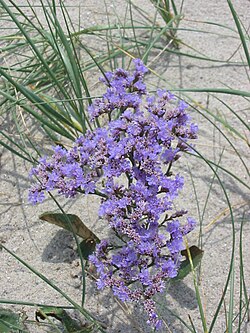
The reserve is renowned for its salt-resistant flora, which thrives in the brackish environment. One of the most striking examples is the sea lavender, which brings vibrant color to the landscape during late summer.
Beyond its plant life, the Zwin is a premier destination for bird watchers. The site hosts a variety of avian species, including a small zoo featuring major domestic birds. Notably, it is one of the few locations in Belgium that supports a population of white storks.
International Recognition
Due to its ecological significance, the Zwin was designated as a Ramsar Wetland on March 4, 1986. This means it is recognized as a Wetland of International Importance under the Ramsar Convention, ensuring the protection of its unique habitat for the future.
| Feature | Details |
|---|---|
| Location | Belgian–Dutch border (Knokke-Heist & Sluis) |
| Total Area | 1.58 km² |
| Established | 1952 |
| Ramsar Designation | March 4, 1986 |
| Key Species | Sea lavender, white storks |
Key Facts
- Origin: Formed by a storm in 1134 that created a 15 km tidal channel.
- Historical Impact: Enabled Bruges to become a leading medieval European port.
- Decline: Progressive silting made the waterway unusable by approximately 1500.
- Geography: Spans two countries, with the majority of the land in Belgium.
- Conservation: Recognized as a Wetland of International Importance (Ramsar site).
Frequently Asked Questions
How was the Zwin inlet originally formed?
The Zwin was created in 1134 when a storm broke through the Flemish coast, forming a tidal channel that reached 15 km inland.
Why did the Zwin stop being used for shipping?
From the late 13th century, the channel experienced progressive silting, which eventually made the waterway unusable by around 1500.
What makes the Zwin's flora unique?
The reserve is famous for its salt-resistant flora, most notably the sea lavender that blossoms in August and September.
Which birds can be seen at the Zwin?
The reserve is popular for bird watching and is one of the few places in Belgium where white storks can be found.
What is the significance of the Ramsar designation?
The designation on March 4, 1986, identifies the Zwin as a Wetland of International Importance, highlighting its global ecological value.