Zaire Ebolavirus: Structure, Evolution, and Impact
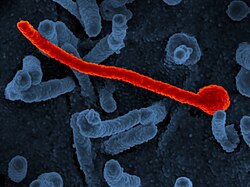
Zaire ebolavirus (Orthoebolavirus zairense), commonly known as the Ebola virus (EBOV), is a highly potent pathogen and one of six species within the genus Ebolavirus. It is the primary cause of Ebola virus disease (EVD), a severe and often fatal hemorrhagic fever that affects humans and other mammals. The virus gained global notoriety during the 2013–2016 epidemic in Western Africa, which resulted in at least 28,646 suspected cases and 11,323 confirmed deaths.
As a member of the Filoviridae family, Zaire ebolavirus is characterized by its distinct filamentous shape and its ability to cause systemic organ failure. Understanding its biological makeup and evolutionary history is critical for developing medical countermeasures and preventing future outbreaks.
Key Facts
- Disease: Causes Ebola virus disease (EVD), a severe hemorrhagic fever.
- Classification: Belongs to the family Filoviridae and genus Orthoebolavirus.
- Geography: Endemic to the Democratic Republic of the Congo, Gabon, and the Republic of the Congo.
- Vaccination: The VSV-EBOV vaccine is FDA-approved and highly effective against the Zaire strain.
- Impact: Responsible for the majority of human deaths associated with EVD.
Viral Structure and Genome
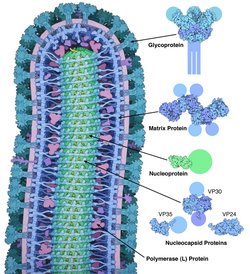
The Zaire ebolavirus is a complex biological entity with a specific set of proteins that facilitate its survival and infection process. Its genome encodes several critical proteins that manage everything from replication to host cell entry.
Protein Functions
The virus utilizes a variety of proteins to execute its life cycle. Key among these are the Nucleoprotein (NP) and the RNA-directed RNA polymerase L, which act as the RNA replicase to copy the viral genome. The Envelope glycoprotein (GP) is essential for attaching to and entering host cells, while the Matrix protein VP40 provides structural integrity to the virus particle.
Genomic Composition
The genome of Zaire ebolavirus is characterized by specific gene overlaps, typically occurring at the VP35/VP40, GP/VP30, and VP24/L junctions. These genetic markers, along with its endemic presence in Central Africa, are used by scientists to classify a virus as a member of the Zaire ebolavirus species.
Mechanism of Entry and Replication
For the virus to infect a host, it must first penetrate the cell membrane. This process is highly dependent on a specific host protein called Niemann-Pick C1 (NPC1), a cholesterol transporter. The virus uses a macropinocytosis-like mechanism—a process where the cell engulfs large amounts of extracellular fluid—to enter the cell and traffic through endosomes before interacting with the NPC1 receptor.
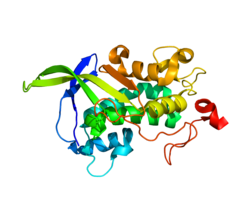
Once inside, the virus begins its replication cycle, utilizing its polymerase cofactor (VP35) and hexameric zinc-finger protein (VP30) to transcribe its genetic material and produce new viral particles that eventually bud from the host cell.
Evolution and Ecology
The evolutionary trajectory of Zaire ebolavirus suggests a significant shift in the mid-20th century. While genetic diversity remained stable before 1900, a rapid decline occurred around the 1960s. This genetic bottleneck—a sharp reduction in the size of a population—may have been caused by human activity or climate change, leading to the extinction of many lineages.
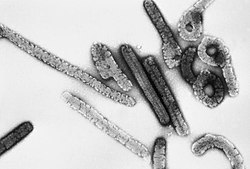
Current evidence suggests that Zaire ebolavirus diverged from its ancestors between 1960 and 1976. This evolutionary history is often mapped via phylogenetic trees that compare ebolaviruses with their relatives, such as marburgviruses.

Prevention and Vaccination
The development of the VSV-EBOV vaccine marked a turning point in the fight against EVD. A 2016 study demonstrated that the vaccine was 70–100% effective against the Zaire ebolavirus. It is important to note that this vaccine is specific to the Zaire strain and is not effective against the Sudan ebolavirus. The U.S. Food and Drug Administration (FDA) officially approved VSV-EBOV in December 2019.
| Feature | Detail |
|---|---|
| Genus | Orthoebolavirus |
| Primary Receptor | NPC1 (Niemann-Pick C1) |
| Endemic Regions | DR Congo, Gabon, Republic of the Congo |
| Approved Vaccine | VSV-EBOV |
| Genome Type | Negative-sense RNA |
Frequently Asked Questions
What is the difference between Ebola virus and Ebola virus disease?
Ebola virus (such as Zaire ebolavirus) is the biological pathogen, whereas Ebola virus disease (EVD) is the actual illness caused by the infection of that virus.
Is the VSV-EBOV vaccine effective against all types of Ebola?
No. The VSV-EBOV vaccine is specifically effective against the Zaire ebolavirus and does not provide protection against the Sudan ebolavirus.
How does the virus enter human cells?
The virus enters cells through a process called macropinocytosis and requires the host's NPC1 (Niemann-Pick C1) protein to successfully infect the cell.
Where is Zaire ebolavirus typically found?
It is endemic to Central African nations, specifically the Democratic Republic of the Congo, Gabon, and the Republic of the Congo.
What happened to the virus's genetic diversity in the 1960s?
The virus experienced a genetic bottleneck, meaning its genetic diversity dropped rapidly and many lineages became extinct, likely due to climate change or human activities.