Yugoslavia: The Rise and Fall of a Balkan Federation
Yugoslavia, a complex state that existed in the Balkans from 1918 to 1992, served as a unique political experiment in uniting diverse South Slavic peoples. From its origins as a monarchy to its era as a socialist powerhouse under Josip Broz Tito, the nation navigated the turbulent waters of two World Wars and the Cold War before its eventual and violent disintegration.
The state was characterized by its multi-ethnic composition, comprising various republics and autonomous provinces. While it achieved significant international prestige during the mid-20th century, deep-seated ethnic tensions and economic instability eventually led to its collapse, giving rise to several independent nations.
Key Facts
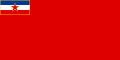
- Lifespan: 1918–1992.
- Capital: Belgrade.
- Major Eras: Kingdom of Yugoslavia (1918–1945) and Socialist Federal Republic of Yugoslavia (1945–1992).
- Key Leader: Marshal Josip Broz Tito, the first President of the SFRY.
- Constituent Republics: Bosnia and Herzegovina, Croatia, Macedonia, Montenegro, Serbia, and Slovenia.
- Official Languages: Serbo-Croato-Slovene (until 1944), followed by Serbo-Croatian.
The Evolution of the Yugoslav State

The Kingdom of Yugoslavia (1918–1945)
The first iteration of Yugoslavia was established on December 1, 1918, following the collapse of Austria-Hungary. This period was marked by the rule of the monarchy, including the reign of King Alexander. However, the state faced significant internal challenges and was eventually invaded by Axis powers on April 6, 1941, during World War II.
The Socialist Federal Republic of Yugoslavia (1945–1992)
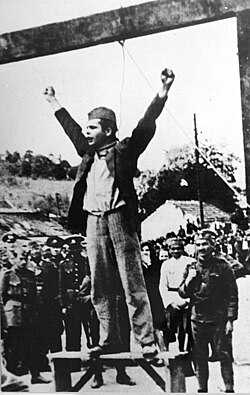
Following the Axis occupation and the efforts of the Partisans, the monarchy was abolished on November 29, 1945. The new Socialist Federal Republic of Yugoslavia (SFRY) was established under the leadership of Marshal Josip Broz Tito.
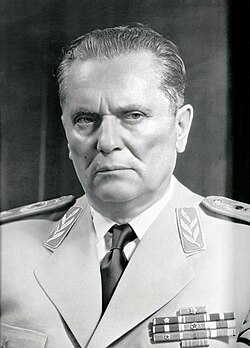
Under Tito, Yugoslavia carved out a unique position during the Cold War. It famously split from Soviet influence and became a founding leader of the Non-Alignment Movement, a group of states that refused to align with either the United States or the Soviet Union.
Administrative Structure and Demographics
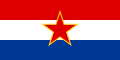
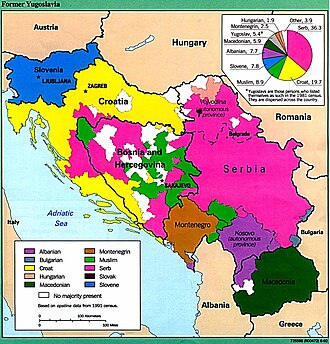
The SFRY was organized into six socialist republics. Within the Socialist Republic of Serbia, there were two autonomous provinces: Kosovo and Vojvodina. Following the 1974 Constitution, these provinces were granted status largely equal to the other republics.
| Republic | Capital |
|---|---|
| Bosnia and Herzegovina | Sarajevo |
| Croatia | Zagreb |
| Macedonia | Skopje |
| Montenegro | Titograd |
| Serbia | Belgrade |
| Slovenia | Ljubljana |
The population grew steadily over the decades, rising from approximately 17.5 million in 1955 to over 23.5 million by 1991.
The Path to Disintegration

The stability of Yugoslavia was heavily tied to the personality and authority of Tito. Following his death, the nation entered a period of severe economic crisis and political instability. This vacuum allowed for the rise of nationalism and ethnic conflicts.
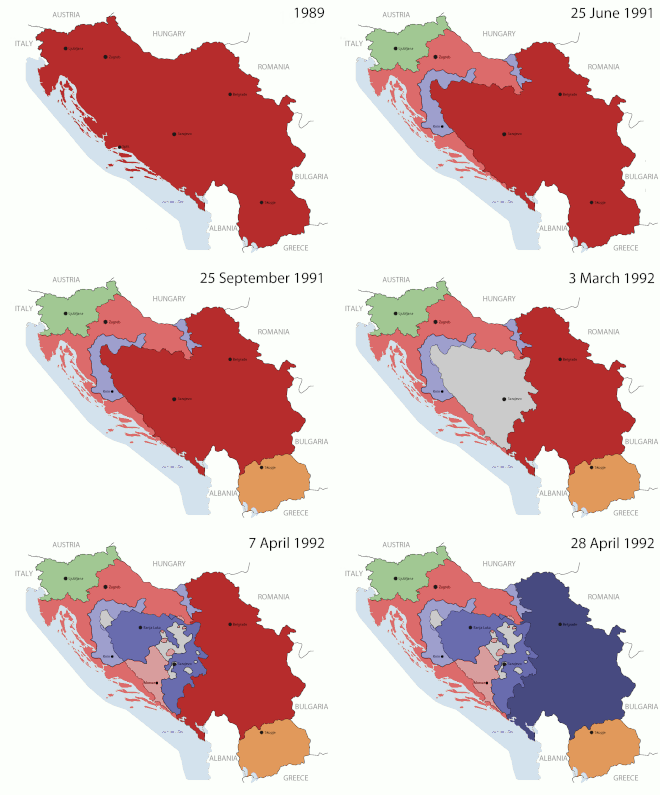
The breakup began in earnest during the Revolutions of 1989. By June 25, 1991, Slovenia and Croatia had declared their independence. This triggered a series of violent conflicts known as the Yugoslav Wars, which saw the state fracture along republic borders.
The International Criminal Tribunal for the former Yugoslavia was later established (1993–2017) to prosecute political and military leaders for genocide and war crimes committed during these conflicts.
Successor States and Modern Legacy
The dissolution of the SFRY resulted in the creation of several independent nations. While the Federal Republic of Yugoslavia existed as a successor state from 1992 until 2003 (later becoming Serbia and Montenegro), the region eventually settled into the current configuration of sovereign states.
Today, the legacy of the former state persists through a phenomenon known as Yugo-nostalgia, where some former citizens remember the stability and international standing of the Tito era.
Frequently Asked Questions




When did Yugoslavia officially end?
Different dates are cited depending on the context: June 25, 1991, when Croatia and Slovenia declared independence, or April 27, 1992, when the Federal Republic of Yugoslavia was formed.
Who was Josip Broz Tito?
Marshal Tito was the leader of the Partisans during World War II and the first President of the Socialist Federal Republic of Yugoslavia, ruling the country until his death.
What was the Non-Alignment Movement?
It was a forum of countries not formally aligned with or against any major power bloc (the US or the USSR) during the Cold War, with Yugoslavia playing a leading role.
What were the Yugoslav Wars?
These were a series of ethnic conflicts and wars of independence that occurred in the 1990s as the various republics of Yugoslavia sought sovereignty.
Which countries make up the former Yugoslavia today?
The territory is now divided among Bosnia and Herzegovina, Croatia, Kosovo, Montenegro, North Macedonia, Serbia, and Slovenia.