Yugoslavia National Football Team: The Legacy of the Brazilians of Europe
Known by nicknames such as Plavi (The Blues), Jadranske ajkule (The Adriatic Sharks), and the evocative Brazilci Evrope (The Brazilians of Europe), the Yugoslavia national football team was a powerhouse of international soccer from 1920 to 1992. Representing a succession of states—from the Kingdom of Serbs, Croats and Slovenes to the Socialist Federal Republic of Yugoslavia—the team was celebrated for its technical skill and competitive spirit.
Throughout its existence, the team achieved significant milestones, including an Olympic gold medal and multiple runner-up finishes in the European Championships. Its journey reflects not only the evolution of the sport in the Balkans but also the complex political history of the region.
Key Facts
- Most Capped Player: Dragan Džajić with 85 caps.
- Top Goalscorer: Stjepan Bobek with 38 goals.
- Highest Achievement: Olympic Gold Medal (1960).
- World Cup Peak: Fourth place in 1930 and 1962.
- European Championship Peak: Runners-up in 1960 and 1968.
- Biggest Victory: 10–0 against Venezuela in 1972.
Early Years and the 1930 World Cup
The foundation of the team began with the establishment of the Football Federation of the Kingdom of Serbs, Croats and Slovenes in Zagreb in 1919. The team played its first international match at the 1920 Summer Olympics in Antwerp, Belgium, where they suffered a heavy 7–0 defeat against Czechoslovakia.
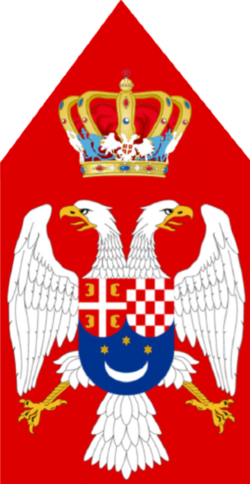
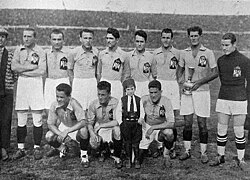
By 1929, the state was renamed Yugoslavia, and the football association (Fudbalski savez Jugoslavije) moved its headquarters to Belgrade. This transition sparked internal tension; the Zagreb Subassociation forbade Croatian club players from participating in the inaugural 1930 FIFA World Cup due to the relocation. Despite this, the squad—the youngest in the tournament with an average age under 22—captured the hearts of the Uruguayan public, who nicknamed them "Los Ichachos." They secured a famous 2–1 victory over Brazil and eventually finished in fourth place.
Post-War Dominance and Olympic Success
Following World War II, Yugoslavia emerged as a formidable force in global football. The team secured silver medals at both the 1948 London and 1952 Helsinki Summer Olympics. The 1952 campaign is particularly remembered for a sensational match against the USSR, where Yugoslavia led 5–1 before a late surge by the Soviets forced a 5–5 draw, though Yugoslavia eventually prevailed in the replay.
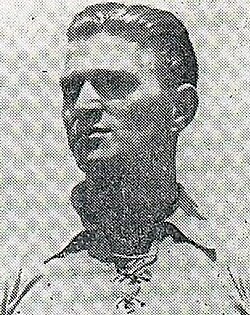
The pinnacle of their Olympic success came in 1960 in Rome, where the team captured the gold medal. This era also saw the rise of legendary figures like Stjepan Bobek, who remains the team's all-time leading scorer.
European Ambitions and Technical Mastery
Yugoslavia was a consistent contender in the UEFA European Championship, reaching the final twice, in 1960 and 1968, though they finished as runners-up on both occasions. The team's style of play earned them their "Brazilians of Europe" moniker, characterized by flair and technical proficiency.
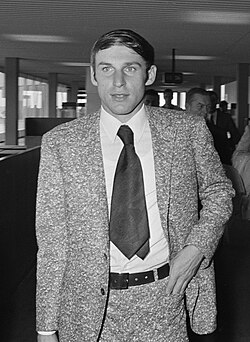
During the 1960s and 70s, Dragan Džajić became the face of the national team, eventually setting the record for the most appearances in the history of the SFR Yugoslavia squad.
Dissolution and the UN Embargo
The decline of the team mirrored the political disintegration of the state. By 1990, ethnic tensions and the rise of multiparty politics led to instability. During a friendly match against the Netherlands in Zagreb, the crowd openly jeered the Yugoslav anthem, signaling the imminent collapse of the union.
The end came abruptly in 1992. Despite qualifying for Euro 92 and topping their group, the team was banned from the competition on May 31, 1992, due to United Nations Security Council Resolution 757, which imposed sanctions during the Yugoslav Wars. Their place was taken by Denmark, who unexpectedly went on to win the tournament.
Competitive Record Summary
The following table summarizes the team's performance across major international competitions.
| Competition | Appearances | Best Result | Medals/Titles |
|---|---|---|---|
| FIFA World Cup | 8 | Fourth Place (1930, 1962) | 0 |
| UEFA European Championship | 4 | Runners-up (1960, 1968) | 2 Silver |
| Olympic Games | 11 | Gold Medal (1960) | 1 Gold, 2 Silver |
| Balkan Cup | Multiple | Champions (1934–35, 1935) | 2 Gold |
Frequently Asked Questions
Who is the all-time top scorer for the Yugoslavia national team?
Stjepan Bobek is the top scorer in the history of the team, netting 38 goals between 1946 and 1956.
Which player earned the most caps for Yugoslavia?
Dragan Džajić holds the record for the most appearances, earning 85 caps between 1964 and 1979.
Why was Yugoslavia banned from Euro 1992?
The team was banned on May 31, 1992, as part of United Nations sanctions (Resolution 757) imposed during the Yugoslav Wars.
What was the team's best result in the FIFA World Cup?
Yugoslavia's best World Cup finish was fourth place, which they achieved twice, in 1930 and 1962.
What does the nickname "Plavi" mean?
"Plavi" translates to "The Blues," referring to the team's primary kit color.