YPG: The Evolution and Role of the People's Defense Units in Syria
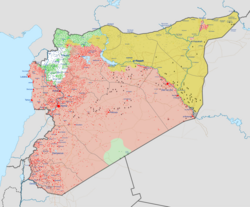
The People's Defense Units (YPG, from the Kurdish Yekîneyên Parastina Gel) are a prominent paramilitary force operating in northern Syria. Emerging from the chaos of the Syrian Civil War, the YPG has evolved from a local self-defense militia into a central pillar of the Syrian Democratic Forces (SDF), playing a critical role in the international effort to combat extremist groups.
While their origins are rooted in the need for Kurdish self-protection, the YPG's trajectory has been marked by complex alliances with global powers, intense urban warfare, and ongoing geopolitical tension with Turkey.
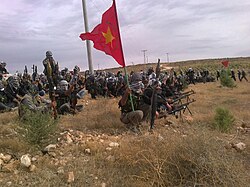
Key Facts
- Active Period: 2011 to present.
- Allegiance: Autonomous Administration of North and East Syria and the Democratic Union Party (PYD).
- Estimated Strength: Ranged from 76,000 in 2017 to Turkish estimates of 35,000–50,000 by 2025.
- Core Components: Includes the YPG and the all-female YPJ (Women's Protection Units).
- Primary Role: Light and motorized infantry focused on territorial defense and counter-terrorism.
Historical Development and Rise to Power
Early Origins and Establishment
Although the YPG officially declared itself at the start of the Syrian revolution in 2011, some reports suggest its foundations were laid as early as 2004 following the Qamishlo riots. The group was initially formed by Kurdish youth who recognized the necessity of efficient self-defense mechanisms in a volatile region.
Consolidation of Control
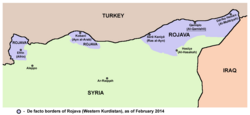
By late 2012, the YPG became the dominant force in Kurdish areas as Islamist attacks increased, shifting public opinion in favor of the militia's protection. Throughout 2013, they expanded their influence, notably securing control over al-Yaarubiyah (Til Koçer).
The Fight Against the Islamic State (IS)
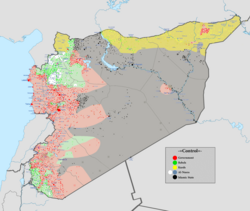
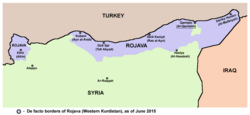
The YPG gained international prominence during the fight against the Islamic State. The Siege of Kobanî served as a turning point, demonstrating the YPG's resilience and the necessity of international air support. By spring 2015, the YPG launched offensive operations with coalition backing, leading to the liberation of significant territories.
The Formation of the Syrian Democratic Forces (SDF)
On October 11, 2015, the Syrian Democratic Forces (SDF) were established in Hasakah. This organization grew out of the "Euphrates Volcano" joint operations room—a 2014 collaboration between the YPG and the Free Syrian Army (FSA). Unlike previous loose coalitions, the SDF was designed as a single organization integrating Kurds, Arabs, and Assyrians to create a broader front against IS.
The Women's Protection Units (YPJ)
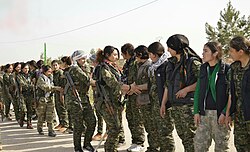
A defining characteristic of the YPG is its sister organization, the Women's Protection Units (YPJ). Established in 2012, the YPJ is an all-female brigade consisting of approximately 20,000 fighters, making up roughly 40% of the total YPG force. The YPJ played a vital role during the defense of Kobanî and remains a symbol of gender equality within the movement.
International Relations and Conflict
Foreign Volunteers and Support
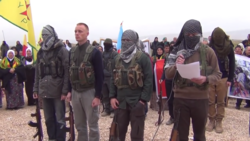
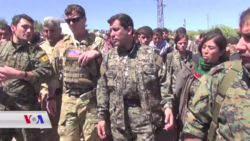
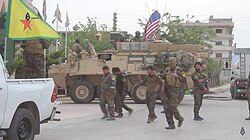
The YPG has attracted numerous foreign volunteers, including fighters from Germany, France, and Spain, driven by the ideological goal of fighting extremism. The United States provided significant military support, including ammunition and Special Forces coordination, though this relationship remained strained due to Turkey's objections.
Conflict with Turkey
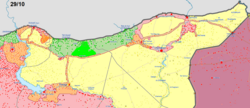
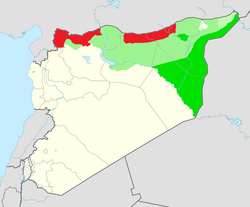
Turkey views the YPG as an extension of the Kurdistan Workers' Party (PKK). This has led to several military interventions, including Operation Olive Branch in the Afrin region (2018) and a major offensive into north-eastern Syria in October 2019. These operations have resulted in significant territorial shifts and displacements.
Organizational Structure and Units
The YPG is organized into various units across different cantons. Below is a summary of specific units established in 2017.
| Canton | Unit Name | Established | Strength |
|---|---|---|---|
| Afrin | Martyr Xebat Dêrik | Feb 27, 2017 | 236 |
| Afrin | Martyr Alişêr | Aug 27, 2017 | 303 |
| Kobane | Martyr Şevger Kobanî Regiment | Feb 18, 2017 | 90 |
| Jazira | Jian Judy and Dogan Fadel | July 20, 2017 | 500 |
| Tabqa | Martyr Haboun Arab | Nov 14, 2017 | 250 |
Controversies and Human Rights
The YPG has faced allegations regarding violations of international law. Amnesty International reported instances of forced displacement and the razing of villages in areas seized from IS. Additionally, the United Nations reported the recruitment of child soldiers; however, a 2021 UN report noted a significant decrease in these cases following the SDF's implementation of an action plan.
Frequently Asked Questions
What is the difference between the YPG and the SDF?
The YPG is a Kurdish-led paramilitary force, while the SDF is a larger, multi-ethnic umbrella organization (including Kurds, Arabs, and Assyrians) of which the YPG is a primary component.
What is the YPJ?
The YPJ (Women's Protection Units) is the all-female brigade of the YPG, representing approximately 40% of the force and focusing on women's liberation and defense.
Why does Turkey oppose the YPG?
Turkey considers the YPG to be an extension of the PKK, an organization it designates as a terrorist group, and views the YPG's presence in northern Syria as a national security threat.
Did the YPG receive support from the United States?
Yes, the U.S. provided ammunition, training, and air support to the YPG and SDF, primarily to facilitate the defeat of the Islamic State (IS).
Has the YPG been accused of human rights abuses?
Yes, the group has faced allegations of forced displacement and the recruitment of child soldiers, though the UN has noted a decrease in child recruitment in recent years.