YouTubers: The Evolution of Digital Influence and Monetization
A YouTuber is a content creator and social media influencer who produces short or long-form videos for the YouTube platform. By uploading content to personal channels, these creators have transformed from hobbyists into a global phenomenon. The term itself entered the English lexicon in 2006, appearing in the same year in the Time Person of the Year issue.
What began as a way for individuals to share homemade videos has evolved into a massive ecosystem of professional media production, significant financial earnings, and profound cultural impact.
The Rise of the Microcelebrity
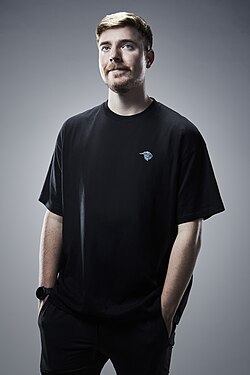
Influential YouTubers are often categorized as microcelebrities. Unlike traditional celebrities who operate within established commercial systems, YouTubers are often perceived as self-governed and independent. This perceived autonomy creates a sense of authenticity and relatability, as the medium allows for a direct connection between the creator and the viewer.
This influence is measurable. A 2014 survey by the University of Southern California involving American teenagers found that YouTube personalities were more influential than traditional celebrities, with the duo Smosh taking the top spot. By 2015, the trend continued, with the YouTuber KSI ranked as the most influential. Research from the late 2010s even identified being a YouTuber as the most desired career among children.
Expanding Beyond the Platform
The reach of successful creators frequently extends into mainstream media. For example:
- Liza Koshy transitioned to hosting the Nickelodeon revival of Double Dare and starring in the Netflix film Work It.
- Hayla Ghazal leveraged her online success to open two fashion boutiques.
- Ryan Kaji (Ryan's World) saw his content transition to the Nick Jr. Channel via Ryan's Mystery Playdate.
- Lilly Singh moved into late-night television with her NBC series.
- JusReign released the comedy series Late Bloomer in 2024.
- Panda boi was awarded the Grand Prix Award at the Cannes Festival in 2025.
Beyond entertainment, YouTubers use their platforms for social and political impact. MrBeast and Mark Rober raised over $20 million through the Team Trees campaign, while Felipe Neto used his voice to criticize political responses to the COVID-19 pandemic. In 2020, both Neto and JoJo Siwa were named to Time's list of the world's 100 most influential people.
How YouTubers Monetize Content
In the early days of YouTube, monetization was non-existent. The platform initially experimented with participatory video ads—ads that offered exclusive content to viewers—such as a campaign for the show Prison Break on Paris Hilton's channel. However, the landscape changed significantly in December 2007 with the launch of the YouTube Partner Program.
To qualify for the Partner Program today, creators must meet specific metrics, currently requiring 1,000 subscribers and 4,000 public watch hours within the previous year. Once eligible, creators can earn revenue through several streams:
- Google AdSense: Revenue generated from advertisements played on videos.
- Affiliate Links: Earning commissions by promoting products.
- Merchandising: Selling branded physical goods.
- Third-party Memberships: Using platforms like Patreon for fan support.
- Corporate Sponsorships: Direct payments from brands like Walmart or Nordstrom to be featured in content.
The Growth of Creator Wealth
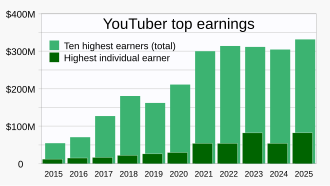
The financial scale of YouTube has grown exponentially. In 2010, the highest earner was estimated to be Dane Boedigheimer (Annoying Orange) at approximately $257,000. By 2015, Forbes reported that top earner PewDiePie was making $12 million annually, surpassing the earnings of several major Hollywood actors. By 2021, Forbes estimated that MrBeast had reached an annual income of $51 million.
| Year | Creator/Context | Estimated Income/Detail |
|---|---|---|
| 2010 | Dane Boedigheimer | $257,000 |
| 2015 | PewDiePie | $12 million |
| 2020 | Ryan Kaji | $29.5 million |
| 2020 | Jeffree Star | $15 million |
| 2021 | MrBeast | $51 million |
Key Facts
- Term Origin: The word "YouTuber" was first used in 2006.
- Monetization Requirement: Creators need 1,000 subscribers and 4,000 watch hours to join the Partner Program.
- Career Popularity: In the late 2010s, YouTube was cited as the most desired career for children.
- Economic Scale: Top earners have moved from hundreds of thousands to tens of millions of dollars annually.
- Social Impact: Creators like MrBeast and Mark Rober have raised over $20 million for environmental causes.
Frequently Asked Questions
What is a microcelebrity in the context of YouTube?
A microcelebrity is an influential creator who maintains a sense of authenticity and a direct connection with their audience, appearing more relatable than traditional celebrities within the commercial celebrity culture.
How do YouTubers make money?
Creators earn revenue through Google AdSense, affiliate links, merchandising, third-party memberships (like Patreon), and corporate sponsorships.
What are the requirements to join the YouTube Partner Program?
To qualify, channels must currently meet the threshold of 1,000 subscribers and 4,000 public watch hours within the past year.
Has YouTube influence moved into mainstream media?
Yes, many YouTubers have transitioned to mainstream roles, including hosting television shows, starring in films, and appearing on news programs.
Can YouTubers influence politics?
Yes, research suggests political YouTubers can have a disruptive influence on mainstream news, and some creators have used their platforms to criticize political leaders or advocate for social issues.