YouTube: The Evolution of the World's Leading Video Platform
Since its inception, YouTube has transformed from a simple video-sharing concept into a global cultural powerhouse. As a premier online video and social media platform, it serves as a central hub for entertainment, education, and community interaction for billions of users worldwide.
Founded on February 14, 2005, by Chad Hurley, Jawed Karim, and Steve Chen, the platform was initially launched on April 23, 2005. What began as a niche service has grown into a massive ecosystem under the ownership of Google LLC, which acquired the company in 2006.

Key Facts
- Founded: February 14, 2005
- Founders: Chad Hurley, Jawed Karim, and Steve Chen
- Parent Company: Google LLC (since 2006)
- Headquarters: San Bruno, California, United States
- Monthly Active Users: 2.7 billion (as of January 2024)
- Annual Revenue: US$31.5 billion (2023)
- Current CEO: Neal Mohan
The History and Growth of YouTube
Founding and the "Broadcast Yourself" Era
In its early years, YouTube focused on rapid growth and user-generated content. During the 2006–2013 period, the platform was defined by its "Broadcast Yourself" era, encouraging individuals to share their lives through video. This period saw the platform scale from a startup to a global phenomenon, leading to its acquisition by Google for $1.65 billion in 2006.

Leadership Transitions
The platform has undergone significant leadership changes to navigate the complexities of a global media giant. Following the early years, Susan Wojcicki led the company from 2014 until 2023. In 2023, Neal Mohan took over as CEO, steering the platform through the modern era of short-form content and advanced monetization.

Diverse Services and Product Ecosystem
YouTube is no longer just a single website; it is a suite of specialized services designed to meet different user needs. These products range from specialized content for children to premium subscription models.
The ecosystem includes several key offerings:
- YouTube Premium: A subscription service offering enhanced features.
- YouTube Music: A dedicated platform for music streaming.
- YouTube Kids: A filtered environment designed for younger audiences.
- YouTube Shorts: A feature for short-form vertical video content.
- YouTube TV: A service providing live television streaming.
- YouTube Go: An offline-first version for specific markets.





Content and Technology
To manage the massive influx of data, YouTube utilizes sophisticated technology. The platform's core is built using languages such as Python, C++, Java, and Go, with the user interface powered by JavaScript. To protect intellectual property, YouTube employs Content ID, an automated system that identifies and manages copyrighted material within uploaded videos.

Platform Impact and Challenges
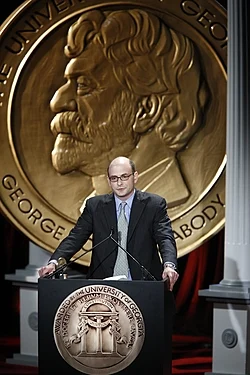
YouTube's influence extends into politics and social movements. Content creators have met with world leaders, including U.S. President Obama, to discuss the "YouTube generation." However, this massive scale brings challenges, including privacy concerns, censorship, and complex copyright disputes.
The platform has faced various forms of state censorship and bans in different countries, and it continues to navigate the balance between hosting free expression and enforcing community guidelines.
![Prominent YouTube content creators met at the White House with U.S. President Obama to discuss how government could better connect with the "YouTube generation".[308][309]](/images/d2/ad/d2ad5035303bc6fe681fdced7275fd828d59178811058940bfab6ec40e62a3ee.webp)
Financial Overview
| Metric | Value/Detail |
|---|---|
| Owner | Google LLC |
| 2023 Revenue | US$31.5 billion |
| Monthly Active Users | 2.7 billion (Jan 2024) |
| Primary Industry | Internet / Video Hosting |
| Core Technologies | Python, C++, Java, Go, JavaScript |
Frequently Asked Questions
Who owns YouTube?
YouTube is a subsidiary of Google LLC, which has owned the platform since 2006.
What is YouTube Content ID?
Content ID is a technology used by YouTube to identify and manage copyrighted content, helping rights holders protect their work.
Does YouTube have a paid version?
Yes, YouTube Premium is a subscription-based service that provides additional features for users.
What is YouTube Shorts?
YouTube Shorts is a feature within the platform dedicated to short-form video content, similar to other mobile-first video formats.
How many people use YouTube?
As of January 2024, YouTube reported approximately 2.7 billion monthly active users.