Yesud HaMa'ala: A History of Resilience and Settlement
Nestled in the Hulah Valley, Yesud HaMa'ala stands as a testament to early Zionist aspirations and the enduring spirit of its inhabitants. From its early financial foundations to its strategic position near the Sea of Galilee, the community has navigated a complex landscape of geopolitical shifts and regional conflicts.
The establishment of the settlement was supported by diverse interests, including the contribution of Laurence Oliphant, a Christian Zionist who donated 1,000 roubles to the founding settlers to help secure the community's future.
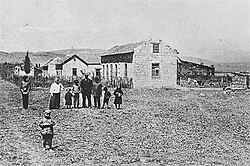
Early Growth and Demographics
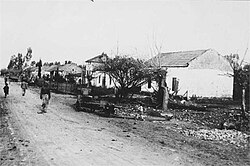
During the early 20th century, the settlement began to take root as a permanent community. By 1922, during the period of the British Mandate (the administrative control of Palestine by Great Britain), an official census recorded a population of 142 Jewish residents.
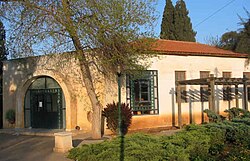
As the community grew, its cultural and spiritual life centered around local institutions, including the village synagogue, which remains a symbol of the town's heritage.
Strategic Challenges and Regional Conflict
The geography of Yesud HaMa'ala placed it at the center of critical water management efforts. In 1964, the activation of the National Water Carrier—a system of pipes and pumps designed to transport water from the north to the south of Israel—led to increased tensions. Syrian forces attempted to disrupt drainage patterns flowing into the Sea of Galilee and launched attacks against local fishing and farming activities.
These tensions culminated in the 1967 Six-Day War. Following the conflict, Syrian forces were repelled further away from the community after Israel captured the Golan Heights, bringing a period of relative stability to the region.
Modern Security Events
The peace established after 1967 lasted for nearly four decades. However, this was interrupted during the 2006 Lebanon War. On July 22, 2006, Hezbollah launched a series of Katyusha attacks (mobile, truck-mounted artillery rockets) targeting communities in the Hulah Valley.
In Yesud HaMa'ala, one individual sustained light wounds from rocket shrapnel. Later, on July 29, three additional rockets struck the community, resulting in property damage and light injuries to a woman.
Key Facts
- Founding Support: Received 1,000 roubles from Christian Zionist Laurence Oliphant.
- 1922 Population: 142 Jewish residents according to the British Mandate census.
- Water Conflict: Syrian attacks increased following the 1964 activation of the National Water Carrier.
- Strategic Shift: The 1967 Six-Day War pushed Syrian forces back via the capture of the Golan Heights.
- Recent Conflict: Struck by Hezbollah Katyusha rockets in July 2006.
| Year | Event | Impact/Detail |
|---|---|---|
| 1922 | British Mandate Census | Population recorded at 142 Jews |
| 1964 | National Water Carrier Activation | Increased Syrian attacks on farming and fishing |
| 1967 | Six-Day War | Capture of Golan Heights; Syrian forces repelled |
| 2006 | Lebanon War | Katyusha rocket attacks by Hezbollah |
Frequently Asked Questions
Who provided early financial support to Yesud HaMa'ala?
Laurence Oliphant, a Christian Zionist, donated 1,000 roubles to the settlers who founded the community.
What was the population of the settlement in the early 1920s?
According to a 1922 census conducted by the British Mandate authorities, the population consisted of 142 Jews.
Why did Syrian forces attack the region in 1964?
The attacks were linked to the activation of the National Water Carrier, as Syria sought to disrupt drainage patterns into the Sea of Galilee and target Israeli agricultural and fishing activities.
How did the Six-Day War affect the security of Yesud HaMa'ala?
The war resulted in the capture of the Golan Heights, which pushed Syrian forces further away from the community and ended hostile attacks until 2006.
What happened during the 2006 Lebanon War?
Hezbollah launched Katyusha rockets into the Hulah Valley. In Yesud HaMa'ala, these attacks caused property damage and resulted in two people being lightly wounded.