Wyhl Nuclear Power Plant: The Spark of the German Anti-Nuclear Movement
In the early 1970s, a small village became the epicenter of a social and political earthquake that would reshape energy policy across Europe and North America. The struggle against the proposed Wyhl Nuclear Power Plant was not merely a local dispute over land use, but the catalyst for a sophisticated, nationwide movement against nuclear energy in Germany.
The Rise of Local Opposition
The story began in 1971 when Wyhl was first identified as a potential site for a nuclear power station. While planners and politicians moved forward with the project, local residents grew increasingly concerned. For several years, this opposition mounted steadily, though it initially failed to influence the official decision-making process.
The situation reached a breaking point on February 17, 1975, when official permission was granted and earthworks began. The following day, February 18, local citizens took spontaneous action by occupying the construction site to halt the project.
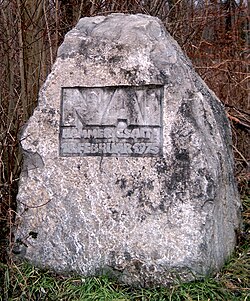
The response from authorities was swift and severe. Two days later, police forcibly removed the occupiers. However, the strategy backfired; television footage showing police dragging farmers and their spouses through the mud broadcast the conflict to the entire nation. This imagery transformed a local grievance into a major national issue, drawing condemnation for the rough treatment of citizens and strengthening the resolve of wine-growers, clergy, and local residents. Notably, some members of the local police force refused to participate in the forced removals.
Escalation and Legal Victory
The conflict expanded beyond the village as support poured in from the nearby university town of Freiburg. On February 23, 1975, approximately 30,000 people re-occupied the Wyhl site. Faced with the sheer scale of the crowd and the threat of further negative publicity, the state government abandoned its plans to forcibly clear the site.
The momentum of the protests eventually found a path through the legal system. On March 21, 1975, an administrative court withdrew the construction license for the plant. As a result, the facility was never built, and the land was eventually converted into a nature reserve.
Key Facts
- Initial Proposal: Wyhl was first mentioned as a site in 1971.
- First Occupation: Occurred on February 18, 1975, following the start of earthworks.
- Mass Protest: Roughly 30,000 people re-occupied the site on February 23, 1975.
- Legal Outcome: The construction license was withdrawn by an administrative court on March 21, 1975.
- Legacy: The site is now a nature reserve.
The Global Impact of the Wyhl Experience
The events at Wyhl triggered an extensive national debate. While the initial focus was on the state government's handling of the protests and police conduct, the conversation quickly shifted toward the fundamental risks and ethics of nuclear power.
This victory served as a blueprint for citizen action groups—organized collectives of private individuals working toward a common political or social goal. The "announcement effect" of Wyhl encouraged the formation of similar groups near other planned sites, such as Brokdorf, Gorleben, and the Wackersdorf nuclear reprocessing plant.
By demonstrating that organized grassroots resistance could successfully stop a state-backed industrial project, Wyhl inspired nuclear opposition movements not only across Germany but also throughout Europe and North America.
| Date | Event | Outcome |
|---|---|---|
| 1971 | Site Identification | Wyhl proposed as a nuclear power station site. |
| February 17, 1975 | Construction Start | Earthworks begin following official permission. |
| February 18, 1975 | First Occupation | Local people occupy the site; later forcibly removed. |
| February 23, 1975 | Mass Re-occupation | 30,000 people occupy site; government ceases removal efforts. |
| March 21, 1975 | Court Ruling | Construction license is officially withdrawn. |
Frequently Asked Questions
Why is Wyhl considered a turning point for the anti-nuclear movement?
Wyhl is seen as the first great success of the German anti-nuclear movement because it proved that grassroots citizen action and legal challenges could successfully stop the construction of a nuclear plant.
How did media coverage influence the outcome at Wyhl?
Television coverage of police forcibly removing farmers and their wives through the mud caused widespread public condemnation, turning a local dispute into a national issue and increasing support for the protesters.
What happened to the land intended for the power plant?
After the construction license was withdrawn and the plant was abandoned, the land eventually became a nature reserve.
Which other sites were influenced by the success at Wyhl?
The success at Wyhl inspired similar opposition and the formation of action groups at sites such as Brokdorf, Gorleben, and the Wackersdorf nuclear reprocessing plant.
Did the protests only involve local villagers?
While it began with local wine-growers and clergy, the movement grew to include significant support from the university town of Freiburg and eventually evolved into a national and international phenomenon.