Greenpeace: A Global History of Environmental Activism and Peace
Since its inception, Greenpeace has stood as one of the world's most recognizable international non-governmental organizations (NGOs). Dedicated to the dual pillars of environmentalism and peace, the organization has evolved from a small group of activists into a massive global movement, tackling everything from nuclear proliferation to the urgent realities of climate change.
Originally founded in 1969 as the Don't Make a Wave Committee in Vancouver, British Columbia, the organization was born out of a desire to protest underground nuclear weapons testing. Today, headquartered in Amsterdam, Netherlands, Greenpeace operates on a worldwide scale, utilizing direct action and high-profile campaigns to protect the planet's most vulnerable ecosystems.
Key Facts

- Founded: 1969 (originally as Don't Make a Wave Committee)
- Headquarters: Amsterdam, Netherlands
- Mission: Environmentalism and peace
- Global Reach: Serves regions worldwide
- 2022 Budget: €103.735 million
- Workforce: 3,476 staff and over 34,365 volunteers (2022 data)
The Evolution of an Environmental Powerhouse

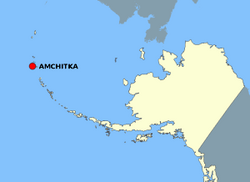
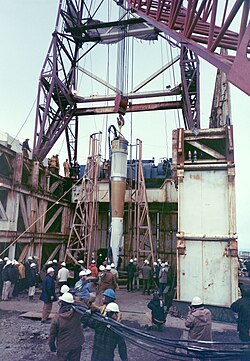
The roots of Greenpeace are deeply tied to the anti-nuclear movement. The inspiration for the organization's founding was the underground nuclear testing conducted at Amchitka Island. This pivotal moment catalyzed a group of individuals to take a stand against the dangers of nuclear weaponry, eventually leading to the formal establishment of Greenpeace.
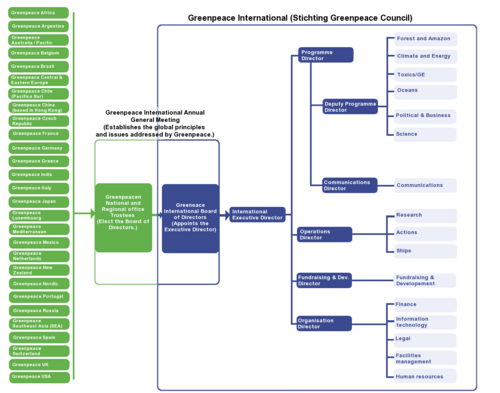
Over the decades, the organization has undergone significant organizational development. What began as a localized effort in Canada has transformed into a sophisticated international structure. The governance of Greenpeace is managed by a Board of Directors, who are elected by the Annual General Meeting, ensuring a democratic approach to its global mission.
Funding and Resources
Maintaining a global presence requires substantial resources. In 2022, Greenpeace reported a budget of approximately €103.735 million. The organization relies on a diverse range of financial support to fuel its campaigns, ranging from individual donations to various grants and gifts.
![Annual amounts of "Contributions, Gifts, Grants and Other Similar Amounts" as reported on U.S. tax returns filed by the Greenpeace Fund, Inc.[65]](/images/bc/72/bc72af1386d761f5c25b55c83ce3f0ca2c38d45eb7174d1ddbd30fa581b256f6.webp)

Core Campaign Priorities

Greenpeace focuses its energy on several critical environmental fronts. These campaigns are designed to influence policy, corporate behavior, and public awareness through both scientific advocacy and direct action.
Climate, Energy, and the Oceans
A primary focus for the organization is climate and energy policy. This includes fighting for green planet energy, opposing new oil licenses, and advocating for a transition away from fossil fuels. Their "Go Beyond Oil" initiative is a central part of this struggle. Additionally, the organization works to protect the oceans and the Arctic from industrial exploitation, such as deep-sea mining and oil exploration.

Forests and Biodiversity
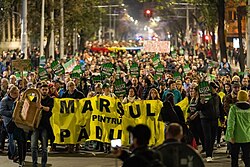
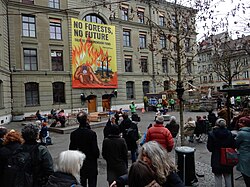
Protecting the world's forests is another cornerstone of Greenpeace's work. The organization campaigns against deforestation caused by industries like palm oil and timber, working to protect ancient trees and promote sustainable land use. Recent efforts have included large-scale marches and awareness events to highlight the importance of forest conservation.
Genetically Modified Organisms (GMOs) and Toxics
Greenpeace has a long history of scrutinizing Genetically Modified Organisms (GMOs). They have engaged in significant debates regarding "golden rice" and have petitioned international bodies to regulate the use of genetically altered crops. Furthermore, the organization campaigns against toxic waste and promotes safer alternatives in electronics and consumer goods.

The Fleet: Ships of the Movement
A unique aspect of Greenpeace is its use of specialized vessels to conduct research and direct action in remote parts of the world. These ships serve as mobile headquarters for activists and scientists alike.
While some vessels have served the organization for many years, others have been acquired or relaunched to meet new challenges. Notable ships in the Greenpeace history include the Rainbow Warrior (both the first and second versions), the Arctic Sunrise, and the Esperanza.
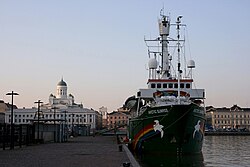
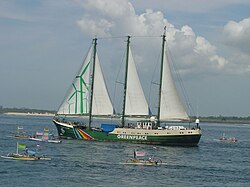
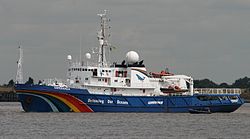
The fleet has been instrumental in campaigns ranging from anti-whaling efforts in the 1990s to modern-day protests against Arctic oil exploration.
Summary of Greenpeace Operations
| Category | Details |
|---|---|
| Primary Mission | Environmentalism and Peace |
| Key Campaign Areas | Climate, Energy, Forests, Oceans, GMOs, Toxics |
| Governance | Board of Directors (elected by AGM) |
| Global Presence | Worldwide offices and field operations |
| Notable Assets | Specialized fleet of ships (e.g., Arctic Sunrise) |
Frequently Asked Questions
What was the original name of Greenpeace?
Before becoming Greenpeace, the organization was known as the Don't Make a Wave Committee between 1969 and 1972.
What inspired the founding of Greenpeace?
The organization was inspired by the need to protest underground nuclear weapons testing, specifically the tests conducted at Amchitka Island.
How is Greenpeace governed?
Greenpeace is governed by a Board of Directors that is elected by the members during the Annual General Meeting.
What are some of the main issues Greenpeace campaigns for?
Major campaign areas include climate change, renewable energy, forest protection, ocean conservation, and the regulation of GMOs and toxic substances.
Does Greenpeace use ships for its activism?
Yes, Greenpeace utilizes a fleet of ships, such as the Arctic Sunrise and the Rainbow Warrior, to conduct environmental monitoring and direct action in international waters.
Where is the Greenpeace headquarters located?
The international headquarters for Greenpeace is located in Amsterdam, Netherlands.