World War I: The Complex Causes of the Great War
World War I, one of the most devastating conflicts in human history, began in the Balkans on July 28, 1914, and lasted until November 11, 1918. The scale of the tragedy was immense, leaving 17 million people dead and 25 million wounded. While the war officially ended in 1918, its echoes continued through the Russian Civil War and various subsequent conflicts in the immediate aftermath.
Historians generally divide the causes of the war into long-term structural factors and short-term triggers. The long-term causes involve a volatile mix of political, economic, and territorial competition, while the short-term causes center on the diplomatic failures of the summer of 1914.
Key Facts
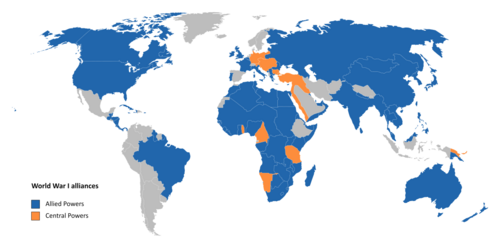
- Casualties: Approximately 17 million dead and 25 million wounded.
- Primary Alliances: The Central Powers (Germany, Austria-Hungary, and the Ottoman Empire) fought against the Allies (Russia, France, and the British Empire).
- Immediate Trigger: The assassination of Archduke Franz Ferdinand on June 28, 1914.
- Key Drivers: Militarism, imperialism, nationalism, and a complex web of mutual defense alliances.
- Naval Tension: A significant arms race between Britain and Germany contributed to pre-war instability.
Long-Term Structural Causes
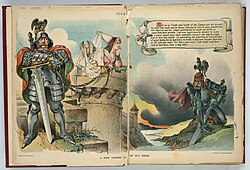
The road to war was paved by decades of tension. Scholars point to militarism—the glorification of military power—and imperialism, where global empires competed for colonies and resources. This competition created a fragile European balance of power that was easily disrupted.
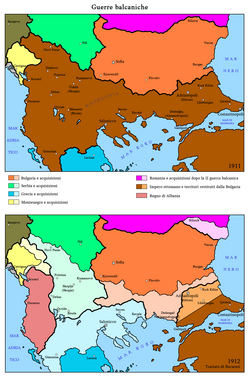
The decline of the Ottoman Empire created a power vacuum, particularly in the Balkans, leading to intense nationalism and territorial disputes. This region became a "powder keg" as various ethnic groups sought independence or expansion.
The Web of Alliances
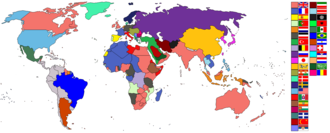
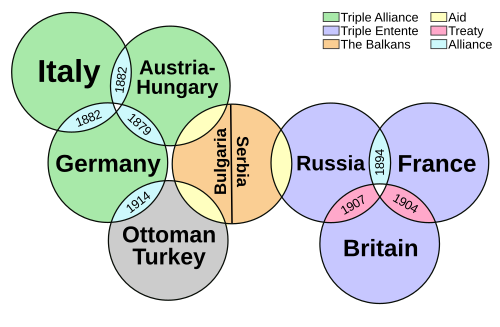
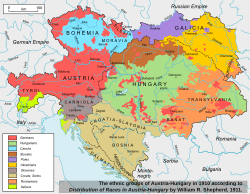
By 1914, Europe was polarized into two rival camps. The German Empire, Austria-Hungary, and the Ottoman Empire formed the Central Powers. Opposing them were the Russian Empire, France, and the British Empire. These alliances meant that a local conflict between two nations could rapidly escalate into a general European war.
Imperialism and Colonial Rivalry
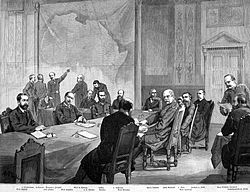
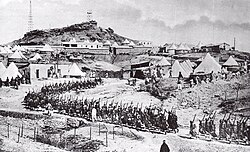
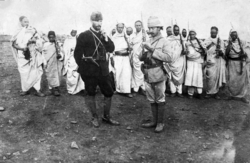
Colonial aggression and the scramble for Africa further strained relations. The Berlin Conference of 1884 had attempted to regulate European colonization, but disputes continued, such as the Moroccan crises (1905–06 and 1911), which strengthened the bond between France and Britain while isolating Germany.
The Naval Arms Race
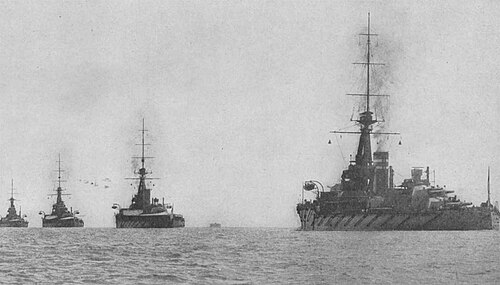
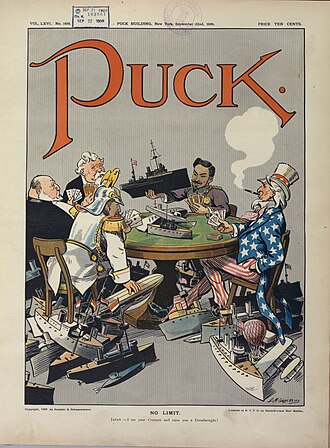
A critical source of tension was the Anglo-German naval arms race. Britain, possessing the world's most powerful navy, viewed Germany's rapid naval expansion as a direct threat to its security. This led to a "security dilemma" where each nation's attempt to increase its safety made the other feel less secure.
The Short-Term Trigger: The July Crisis
The immediate spark was the assassination of Archduke Franz Ferdinand, heir to the Austro-Hungarian throne, in Sarajevo on June 28, 1914. The assassin, Gavrilo Princip, was a Bosnian Serb nationalist supported by a nationalist organization in Serbia.
![Grave implications of the assassination were immediately recognized, as in this 29 June article with subtitles "War Sequel?" and "War May Result", and stating the assassination was "engineered by persons having a more mature organizing ability than that of the youthful assassins".[9]](/images/be/1f/be1f5f8126ee412c800f6ad818d4d50cb7c04a8e32ff68fed1e18ddfce2b461c.jpg)
This event triggered the July Crisis, a month of frantic but failed diplomacy. Austria-Hungary, backed by Germany, sought to punish Serbia. Russia, acting as a protector of the Slavs, mobilized to support Serbia. This triggered a chain reaction: Germany declared war on Russia and France, and the United Kingdom entered the conflict after Germany invaded neutral Belgium.
The escalation was accelerated by a "cult of the offensive"—a military belief that the first side to attack would gain a decisive advantage—and rigid military timetables that left little room for diplomatic delays.
Naval Strength in 1914
The disparity in naval power is evident when comparing the Allied and Central Powers just before the outbreak of hostilities.
| Country | Personnel | Dreadnoughts (Large Vessels) | Tonnage |
|---|---|---|---|
| Britain | 209,000 | 29 | 2,205,000 |
| France | 68,000 | 10 | 731,000 |
| Russia | 54,000 | 4 | 328,000 |
| Allies Total | 331,000 | 43 | 3,264,000 |
| Germany | 79,000 | 17 | 1,019,000 |
| Austria-Hungary | 16,000 | 4 | 249,000 |
| Central Powers Total | 95,000 | 21 | 1,268,000 |
Frequently Asked Questions
What was the immediate cause of World War I?
The immediate cause was the assassination of Archduke Franz Ferdinand of Austria-Hungary by Gavrilo Princip, a Bosnian Serb nationalist, on June 28, 1914.
How did the alliance system contribute to the war?
The alliance system turned a regional conflict in the Balkans into a global war. Because nations had signed mutual defense treaties, the conflict between Austria-Hungary and Serbia automatically drew in Germany, Russia, France, and eventually the United Kingdom.
What was the "cult of the offensive"?
The cult of the offensive was a military mindset prevalent before the war, based on the belief that offensive action was the only way to achieve victory. This led generals to prioritize speed and attack over defense, making the escalation of the July Crisis almost inevitable.
Why was the Anglo-German naval race important?
The naval race created deep distrust between Britain and Germany. Britain's commitment to naval supremacy was challenged by Germany's build-up of dreadnoughts, pushing Britain closer to France and Russia in the Triple Entente.
What role did the Balkans play in the start of the war?
The Balkans were a region of intense ethnic nationalism and territorial disputes. The decline of the Ottoman Empire left a power vacuum that Austria-Hungary and Russia both sought to influence, making the area highly unstable.