Working Animals: Roles, Specializations, and Their Impact on Human Society
Throughout human history, the bond between people and animals has extended far beyond companionship. Working animals—domesticated species trained to perform specific tasks—have been integral to the survival and advancement of civilizations. From the hunter-gatherer ancestors who utilized dogs to the modern police forces employing scent hounds, these animals provide physical strength, specialized senses, and essential services that humans cannot replicate alone.
While most working animals are raised on farms, some are captured from the wild, such as certain Asian elephants and dolphins. These animals are often selectively bred for specific conditions or tasks, particularly in the case of horses and working dogs. It is important to distinguish working animals from other domesticated pets; for instance, while a house cat may instinctively catch mice, it is not a trained working animal in the professional sense.
Key Facts
- Beasts of Burden: A collective term for animals used for animal-powered transport, including pack and draft animals.
- Diverse Capabilities: Animals are used for everything from heavy logging and plowing to detecting cancer and COVID-19.
- Specialized Training: Some animals, like the APOPO detection rats, are trained for high-stakes tasks like identifying pulmonary tuberculosis.
- Legal Status: In some jurisdictions, such as India, certain animals have been granted the status of "legal persons" with specific rights.
Transportation and Physical Labor
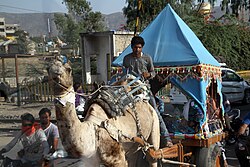
The use of animals for movement and heavy lifting is categorized by the method of labor. Mounts are animals ridden on their backs to traverse rugged terrain, patrol wilderness, or herd livestock. Common mounts include equines (horses, donkeys, mules) and bovines (cattle, water buffalo, yak), as well as camels, elephants, and llamas.
Pack Animals
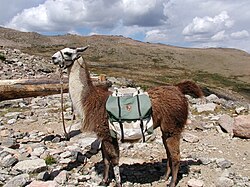
Pack animals are specialized for carrying loads. While many mounts can also serve as pack animals, certain breeds are selectively bred for this purpose. Examples include packhorses, mules, and reindeer. In the Andes, llamas are primarily used for this role, while dogs and goats are occasionally used for lighter cargo.
Draft Animals
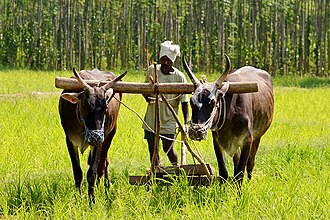
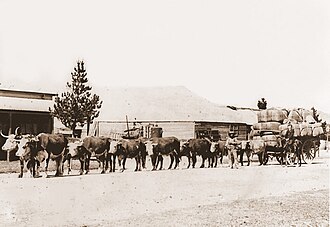
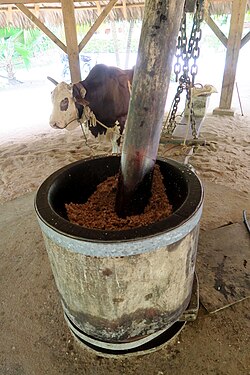
Draft animals (or draught animals) are harnessed to pull heavy loads, such as plows, sleds, or wheeled vehicles. Oxen are among the oldest draft animals; historically, an acre was defined by the area a span of oxen could plow in a single day. Other draft animals include water buffalo in Southeast Asia, heavy draft horses, and elephants used for logging.
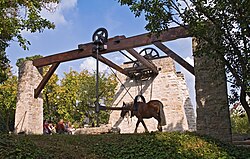
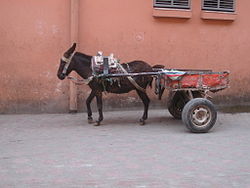
Mules are highly valued for their strength and toughness, though because they are infertile hybrids, they require separate breeding programs for the parent horses. Ponies and donkeys have historically been used for smaller carts, including ore carts in mining operations.
Specialized Service and Detection
Beyond physical labor, animals are employed for their superior sensory capabilities. Detection dogs, often called "sniffer dogs," are used by law enforcement to find illegal drugs, explosives, and contraband electronics. Some systems, like the Remote Air Sampling for Canine Olfaction (RASCO), allow dogs to detect items from a distance.
In the medical field, animals act as biological sensors. Dogs and bees have been trained to detect COVID-19, and dogs have been used to identify cancer. Research has even indicated that ants can detect cancer via urine samples, while rats are trained to identify pulmonary tuberculosis.
Other specialized roles include:
- Searching and Retrieving: Pigs and dogs are used to find truffles, while monkeys are trained to pick coconuts.
- Guard Animals: Dogs, geese, and llamas protect property and livestock by acting as alarms or deterring intruders.
- Environmental Treatment: Asian carps have been used in the U.S. to control algae and parasites in aquatic systems.
Interfacing, Organization, and Security
Animals often serve as vital interfaces for people with disabilities. Guide dogs and miniature horses assist the visually impaired, while capuchin monkeys are trained to help people with limited mobility perform household tasks like opening mail.
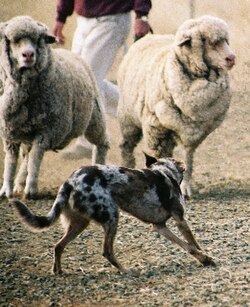
In agriculture, herding dogs work closely with shepherds to manage livestock. Similarly, certain "stock horses" possess an innate "cow sense" that helps them muster cattle efficiently.
Military and police applications utilize the natural defenses of animals. While war elephants were common in ancient times, modern military use focuses on horses and dogs. Dogs are used for patrolling and detecting landmines, though rats are increasingly used for mine detection because their light weight reduces the risk of triggering explosives.
Legal Status and Welfare
The legal recognition of working animals varies globally. In many countries, military and police dogs receive protections and honors similar to human officers. In India, the legal system has gone further, granting some animals the status of "legal persons." This allows them to have rights and duties, with humans acting in loco parentis (in place of a parent) to ensure their welfare, including limits on how much a load-carrying animal can be burdened, especially on slopes.
| Category | Primary Function | Common Examples |
|---|---|---|
| Mounts | Riding and traversing terrain | Horses, Camels, Elephants |
| Pack Animals | Carrying goods/cargo | Llamas, Mules, Donkeys |
| Draft Animals | Pulling loads/plowing | Oxen, Draft Horses, Water Buffalo |
| Service/Detection | Specialized tasks/Sensing | Guide Dogs, Detection Rats, Bees |
| Herding/Guard | Livestock management/Security | Sheepdogs, Geese, Llamas |
Frequently Asked Questions
What is the difference between a pack animal and a draft animal?
A pack animal carries a load on its back (such as a llama or mule), whereas a draft animal is harnessed to pull a load behind it, such as a plow or a wagon (such as an ox or draft horse).
Can animals really detect diseases like cancer or COVID-19?
Yes. Certain animals, particularly dogs and bees, have been trained to use their acute sense of smell to detect chemical signatures associated with COVID-19 and various types of cancer.
Why are rats used for landmine detection instead of dogs?
Rats are used because they are much lighter than dogs, which significantly reduces the risk of them accidentally triggering a landmine while searching for it.
What does it mean for an animal to be a "legal person"?
In some legal frameworks, such as in India, this status grants animals specific legal rights and duties, requiring humans to act as guardians (loco parentis) to ensure their welfare and protection under the law.
Are all domesticated animals considered working animals?
No. While many domesticated animals work, others are kept solely for companionship (like most small birds) or for agricultural products like wool and meat (like sheep) without being trained to perform specific tasks.