Wool: The Science, History, and Production of a Natural Fiber
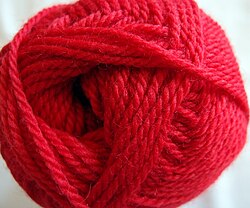
Wool is a versatile textile fiber obtained from sheep and other mammals, including goats, rabbits, and camelids. While the term is most commonly associated with animal hair, it can also refer to inorganic materials like glass wool or mineral wool that mimic the properties of natural fibers. Unlike plant-based fibers such as cotton, which are primarily composed of cellulose, wool is an animal fiber consisting of protein and a small percentage of lipids.
The journey of wool from a living animal to a finished garment involves complex biological structures and rigorous industrial processing. From the high-value fleeces of Merino sheep to the traditional weaving techniques of the Andes, wool remains a cornerstone of the global textile industry.
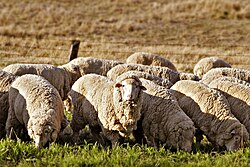
Key Facts
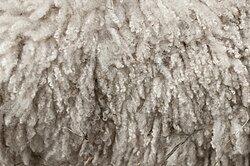
- Composition: Primarily protein and lipids, making it chemically distinct from plant fibers.
- Primary Source: Most industrial wool comes from sheep, though goats and camelids are also significant sources.
- Premium Variety: Merino wool is the most valuable due to its extreme fineness (12–24 microns).
- Processing Steps: Includes shearing, scouring (cleaning), carding, and combing before spinning into yarn.
- Historical Reach: Evidence of wool selection dates back to 6000 BC in Iran.
Composition and Characteristics
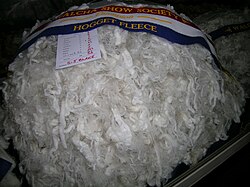
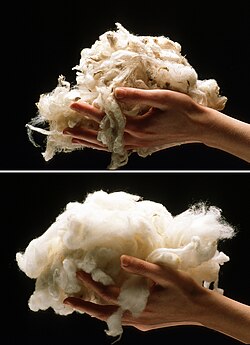
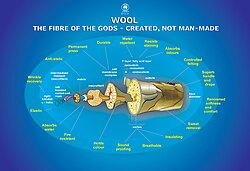
The unique properties of wool are derived from its protein structure. One of its most defining physical traits is crimp, the natural waviness of the fiber, which contributes to the material's elasticity and insulation. Wool is also known for its ability to absorb moisture and its natural resistance to flammability compared to many synthetic alternatives.
Another critical characteristic is felting, a process where fibers interlock under heat, moisture, and friction to create a dense, non-woven fabric. This property is utilized in everything from heavy coats to industrial insulation.
The Production Process
Shearing and Sorting
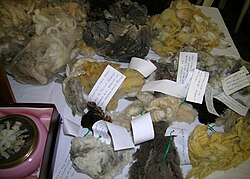
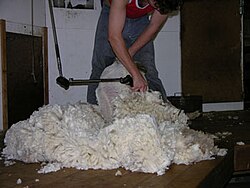
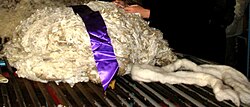
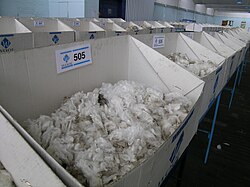
The process begins with shearing, where the fleece is removed from the animal. Not all wool on a single sheep is of equal quality; it is sorted into different categories based on the part of the body from which it was taken.
The highest value is found in the fleece (the main bulk), while the lowest value comes from locks (short pieces from second cuts) and britch (coarse wool from the tail area). Other categories include bellies, which are often stained and less dense.
Scouring and Finishing
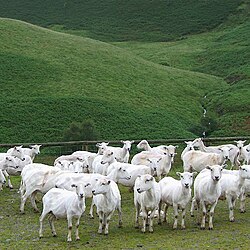
Once collected, the raw wool undergoes scouring, a cleaning process to remove grease (lanolin) and dirt. Following this, the wool is carded or combed to align the fibers, preparing them to be spun into yarn or pressed into felt.
Fineness and Grading
Wool quality is often measured by the diameter of the fiber in microns. Merino wool is graded specifically by this measurement to determine its market value.
| Diameter (Microns) | Grade Name |
|---|---|
| < 15.5 | Ultrafine Merino |
| 15.6–18.5 | Superfine Merino |
| 18.6–20 | Fine Merino |
| 20.1–23 | Medium Merino |
| > 23 | Strong Merino |
A History of Woolen Textiles
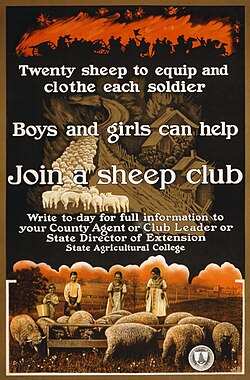
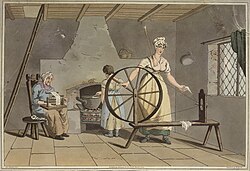
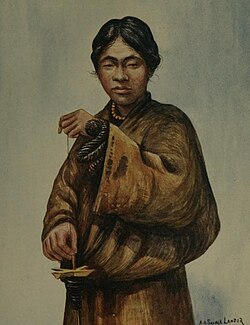
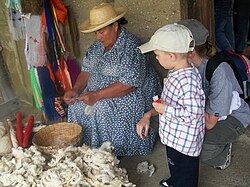
The domestication of sheep began 9,000 to 11,000 years ago, but the selective breeding for woolly coats likely started around 6000 BC in Iran. By 1500 BC, wool textiles were present in Europe, as evidenced by finds in Danish bogs. In the central Andes, camelid wool was used as early as 5000 BC.
During the 13th century, the "putting-out" system (or cottage industry) emerged, where entrepreneurs provided raw materials to artisans. This system allowed producers to bypass guild restrictions and fueled an economic boom in England. The importance of wool to the English state was so great that the presiding officer of the House of Lords still sits on the Woolsack, a chair stuffed with wool.
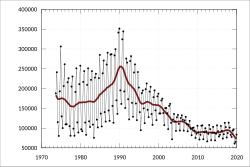
In the modern era, the rise of synthetic fibers has decreased the overall demand for wool. However, the market for ultra-high-end wool remains lucrative. In 2004, a bale of wool averaging 11.8 microns sold for AU$3,000 per kilogram, totaling A$279,000.
Regional Specializations
Icelandic Wool and Lopi
Icelandic wool processing historically involved using urine as an alkaline detergent for washing. A unique product of this region is lopi, an unspun carded strand that can be knitted directly. This led to the creation of the lopapeysa, a circular-yoked sweater that became a symbol of Icelandic fashion.
Australian Excellence
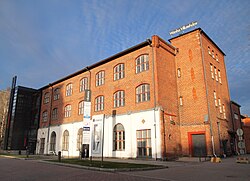
Australia is a global leader in Merino production. The industry is celebrated through events like the Australian Sheep and Wool Show in Bendigo and prestigious awards such as the Ermenegildo Zegna Vellus Aureum Trophy, which awards the winner the weight of their winning fleece in gold.
Frequently Asked Questions

What is the difference between wool and other animal fibers?
While all are protein-based, wool specifically refers to fibers from sheep and similar mammals. Different animals produce different types of fibers, such as cashmere from goats or qiviut from muskoxen, which vary in fineness and texture.
Why is Merino wool more expensive than other types?
Merino wool is prized for its extreme fineness (low micron count) and uniform crimp, which makes it softer, less itchy, and more versatile for high-end apparel.
What is scouring in wool production?
Scouring is the process of washing raw wool to remove contaminants, such as dirt and lanolin (the natural grease produced by sheep), before the wool is carded and spun.
How is wool graded?
Wool is graded based on fiber diameter (microns), length (staple length), and the part of the sheep's body it came from, with the shoulder and back typically producing higher quality wool than the belly or legs.
Can wool be washed in a shower?
While traditional wool requires careful cleaning, new technological developments, such as those seen in certain Japanese wool suits using Australian Merino, allow for garments to be cleaned in a domestic shower and dry within hours without ironing.