Wolf Biology, Evolution, and Global Ecology
The wolf, scientifically known as Canis lupus, is one of the most iconic and ecologically significant predators on Earth. Spanning a temporal range from the Middle Pleistocene to the present day, these highly adaptable carnivores have shaped ecosystems and human mythology for millennia. From the frozen tundras of the Arctic to the mountains of the Middle East, the wolf remains a master of survival.
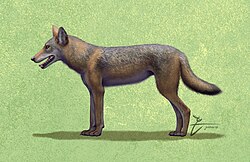
Key Facts
- Scientific Name: Canis lupus
- Conservation Status: Least Concern (IUCN 3.1)
- Diet: Primarily ungulates (hoofed mammals)
- Temporal Range: Middle Pleistocene to present
- CITES Status: Appendix II
Evolutionary History and Taxonomy
The evolutionary journey of the wolf is a complex tapestry of divergence and admixture. Genomic studies indicate that modern wolves and domestic dogs share a common ancestral wolf population. Interestingly, certain lineages, such as the Himalayan wolf and the Indian plains wolf, represent basal lineages that split from other wolves approximately 200,000 years ago.
Most other modern wolf populations appear to share a more recent common ancestry, originating from Siberia or Beringia within the last 23,000 years, coinciding with the end of the Last Glacial Maximum. Research suggests that Old World and New World wolves diverged around 12,500 years ago, while the lineage leading to domestic dogs split from Old World wolves between 11,100 and 12,300 years ago.
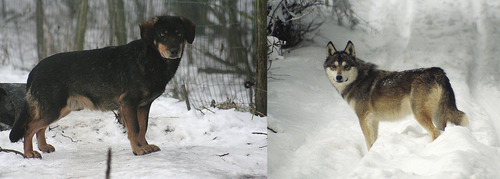
Canine Lineages
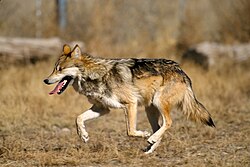
The divergence of various subspecies has occurred at different intervals. For instance, the Mexican wolf diverged approximately 5,400 years ago, while the divergence of wolves in Europe, the Middle East, and Asia is estimated to be quite recent, occurring around 1,600 years ago. The domestic dog clade includes basal members such as the dingo, Basenji, Tibetan Mastiff, and various Chinese indigenous breeds.
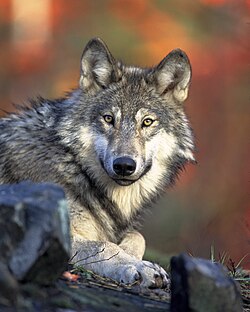
Physical Characteristics and Pelage
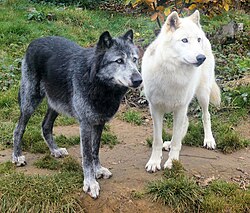
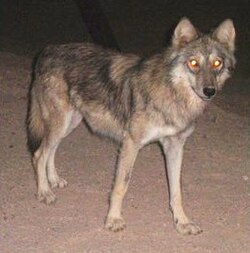
Wolf appearance varies significantly based on geography and environment. In North America, coat colors often follow Gloger's rule, which suggests that animals in more humid environments tend to have darker pigmentation. Consequently, wolves in the Canadian Arctic are often white, while those in southern Canada, the United States, and Mexico are predominantly grey.
In certain regions of the Rocky Mountains, such as Alberta and British Columbia, wolves may exhibit black, blue-grey, or silver-and-black coats. Notably, black coloration in North American wolves is attributed to wolf-dog admixture that occurred after dogs arrived across the Bering Strait 12,000 to 14,000 years ago. In Eurasia, sexual dimorphism in coat color is generally absent, though North American females often display redder tones.
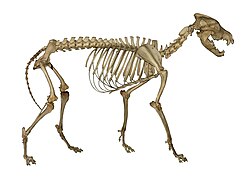
Ecology and Hunting Behavior
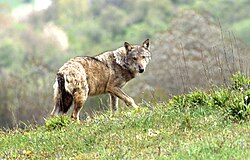
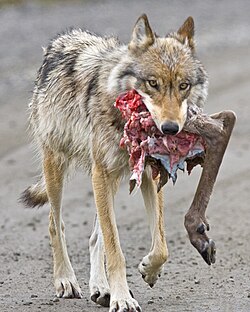
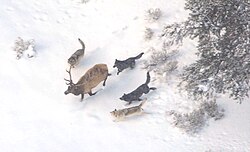
Wolves are renowned as highly efficient pack hunters. Their diet consists predominantly of ungulates—hoofed mammals—which can be categorized into large species (240–650 kg) and medium species (23–130 kg). A pack's success often depends on its ability to target vulnerable individuals within a herd.
A coordinated pack of 15 wolves is capable of bringing down an adult moose. The specific composition of a wolf's diet is dictated by the local availability of hoofed mammals, smaller prey, or domesticated animals. This predatory role makes them essential for maintaining the balance of their respective ecosystems.
Dietary Diversity
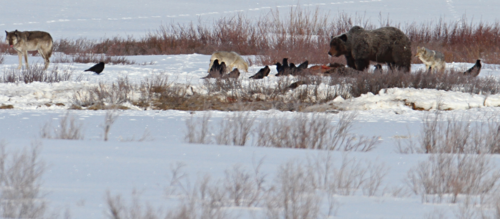
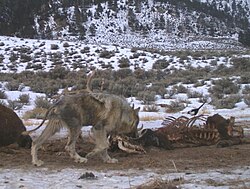
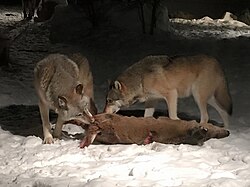
While ungulates are the primary food source, wolves are opportunistic. Their diet varies by continent based on the available fauna. In some environments, they may even compete with other predators like bears, coyotes, and ravens over a single kill.
Global Distribution and Conservation
The wolf maintains a widespread presence across the Northern Hemisphere, though population densities and legal protections vary significantly by region.
North America
Canada serves as a major stronghold, hosting between 50,000 and 60,000 wolves across 80% of their historical range. In Alaska, populations are estimated between 7,000 and 11,000. While wolves are protected in Canadian national parks, they are subject to regulated hunting and trapping in other areas.

Eurasia and the Middle East
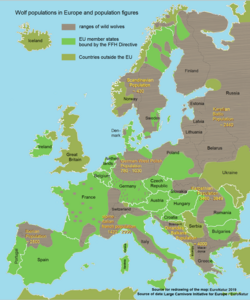
In the European Union, approximately 20,300 wolves with breeding packs exist across 23 countries. Many EU nations provide strict legal protection under the Berne Convention and the Council Directive on the Conservation of Natural Habitats. In the Middle East, legal protections are more limited; Israel has protected its wolf population since 1954, maintaining a population of about 150, while Turkey hosts an estimated 7,000 wolves.
Summary of Wolf Data
| Category | Details |
|---|---|
| Scientific Name | Canis lupus |
| Primary Diet | Ungulates (Large and Medium) |
| Canada Population | 50,000–60,000 |
| Alaska Population | 7,000–11,000 |
| Turkey Population | ~7,000 |
| IUCN Status | Least Concern |

Frequently Asked Questions
What is the difference between a wolf and a dog?
Genomic studies suggest that dogs and wolves descend from a common ancestral wolf population. While they share a close evolutionary history, dogs diverged from the lineage of Old World wolves approximately 11,100 to 12,300 years ago.
How do wolves hunt their prey?
Wolves are pack hunters that specialize in preying on vulnerable individuals within a group of ungulates. By working together, even large prey like moose can be brought down by a coordinated pack.
Why are some wolves black in North America?
The presence of black-colored wolves in North America is a result of genetic admixture with domestic dogs that occurred after dogs crossed the Bering Strait roughly 12,000 to 14,000 years ago.
Are wolves endangered?
According to the IUCN, the wolf is currently classified as "Least Concern," though specific populations may face different regional management and conservation challenges.
What do wolves eat besides large mammals?
While they predominantly hunt large and medium-sized ungulates, their diet varies by continent and can include smaller prey or domesticated animals depending on what is available in their habitat.