The Eurasian Wolf: A Story of Resilience and Recovery
The Eurasian wolf, scientifically known as Canis lupus lupus, is a subspecies of the grey wolf that has long been a fixture of the landscapes across Europe and Asia. Often referred to as the common wolf, this predator holds a profound place in human history, appearing in the languages, myths, and cultural identities of countless civilizations. From the ancient Greeks to the Slavic and Turkic peoples, the wolf has been viewed with a mixture of awe, respect, and ambivalence.
Once widespread throughout the entire Eurasian continent prior to the Middle Ages, the Eurasian wolf has faced significant challenges from human expansion and organized persecution. However, in recent decades, this resilient predator has begun a remarkable journey of recolonization and recovery across much of the continent.
Key Facts
- The Eurasian wolf is the largest subspecies of the Old World grey wolf.
- Its primary diet consists of wild ungulates (hoofed animals) such as moose, red deer, and wild boar.
- The species is currently listed as Least Concern by the IUCN.
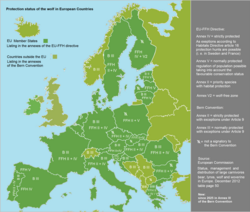
- Many European populations are now legally protected under the EU Habitats Directive and the Bern Convention.
- Wolf populations are actively expanding in countries like Germany and Poland.
Biological Profile and Physical Characteristics
The Eurasian wolf is a robust predator with distinct physical traits that set it apart from its North American relatives. While size varies by region, wolves in Russia and Scandinavia tend to be larger than those in Western Europe. In Russia, adults typically measure between 105 and 160 cm in length and weigh an average of 32 to 50 kg, though exceptionally large individuals have been recorded at much higher weights.
In contrast, Italian wolves are generally smaller, with males weighing between 25 and 35 kg. Regardless of the specific region, the Eurasian wolf is characterized by relatively short, coarse, tawny-colored fur, often featuring white on the throat. While rare, variations in color such as melanism (darker pigmentation), albinism, or erythrism (reddish pigmentation) can occur, though these are often the result of wolf-dog hybridization.
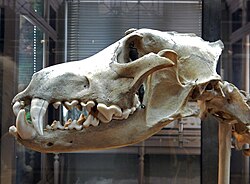
Anatomically, the Eurasian wolf possesses a narrower head that tapers gradually toward the nose. Its ears are positioned higher and closer together than those of North American subspecies, and its build is generally more slender with longer legs and narrower feet. Furthermore, its howl is noted by experts to be more protracted and melodious than the louder, more syllable-emphasized howls of North American wolves.
Diet and Hunting Behavior
The Eurasian wolf is a highly adaptable carnivore. In the vast forests of Russia and the mountainous regions of Eastern Europe, they rely heavily on wild prey such as moose, red deer, roe deer, and wild boar. They are also known to hunt reindeer, argali, wisent, saiga, ibex, and various species of deer.
However, as human activity increases, many populations have been forced to adapt. In areas with dense human populations, wolves may subsist on livestock or garbage. This shift in diet often leads to increased contact between wolves and human agricultural activities.
| Feature | Details |
|---|---|
| Scientific Name | Canis lupus lupus |
| IUCN Status | Least Concern |
| Average Weight (Europe) | 39 kg (86 lb) |
| Primary Prey | Wild ungulates (Moose, Deer, Boar) |
A History of Decline and Persecution
The history of the wolf in Europe is marked by periods of intense, organized extermination. Starting in the Middle Ages, wolves were targeted across the continent. In England, wolf persecution was enforced by law, leading to the disappearance of the species by the late 15th century. Similar patterns occurred in Ireland, where the last wolf was believed to have been killed in 1786, and in Denmark, where they were extirpated—meaning locally extinct—by 1772.
In Sweden, a wolf bounty was introduced in 1647, and by 1966, the last specimen had been killed. Finland also saw a dramatic decline; although the population fluctuated, the species was nearly wiped out in the 20th century despite regular dispersals from Russia.
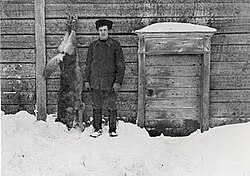
Central Europe also saw massive reductions in wolf numbers during the 19th century due to organized hunts and the decline of their natural prey. In Germany, the last free-living wolf killed before 1945 was the "Tiger of Sabrodt," shot in 1904. France also maintained a specialized corps of wolf hunters, known as the louveterie, which was established by Charlemagne.

The Modern Recovery
Since the 1950s, the tide has begun to turn for the Eurasian wolf. As traditional rural economies declined, the intense pressure to persecute wolves lessened. This, combined with the recovery of wild prey populations, allowed wolves to begin recolonizing vast areas of Europe.
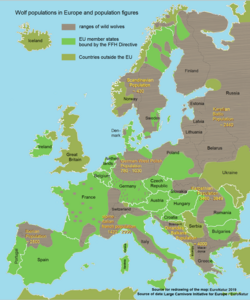
In Poland, the population has grown to between 800 and 900 individuals since 1976, with many packs now living in western Poland. This expansion has acted as a corridor for wolves moving into neighboring countries. Germany has seen a significant resurgence as well; since the summer of 2021, it is estimated that approximately 1,400 wolves inhabit the country.
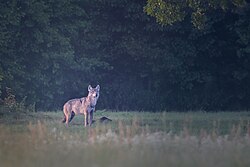
While some populations remain isolated, the connectivity between regions—such as the link between Finnish wolves and those in Scandinavia—is vital for their survival. In Romania, a large and stable population of approximately 2,500 wolves remains.
Legal Protection and Human Conflict
Today, the Eurasian wolf is legally protected in most European nations. This protection is often managed through the EU Habitats Directive or the Bern Convention. While some countries, like Switzerland, have requested changes to their protection status, the wolf remains a protected species across much of the continent.
Livestock and Human Interaction
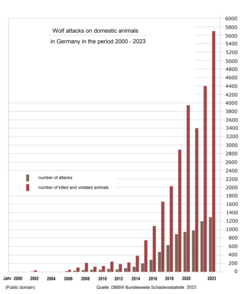
The return of the wolf has not been without controversy, particularly regarding conflicts with the agricultural sector. In Switzerland and Germany, there have been documented increases in wolf attacks on grazing animals. In France, despite increased use of livestock guardian dogs, wolves have continued to target farm animals, leading to significant economic losses in certain regions.
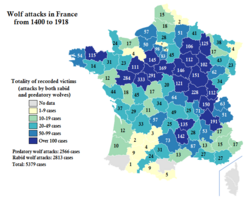
Historically, there were many recorded instances of wolves attacking humans. For example, in Estonia between 1804 and 1853, 111 people were killed by non-rabid wolves. However, modern zoologists note that current European wolf populations are not interested in humans or children as prey, as they have an abundance of wild game and livestock to choose from.
Cultural Significance and Mythology
Beyond biology, the wolf has left an indelible mark on human culture. In many pre-Christian traditions, the wolf was a sacred or deity-like figure. The Dacians, for instance, derived their name from a term meaning "wolf people." In Greek mythology, wolves were associated with Apollo, the god of healing and plague.
Not all myths were positive; Norse mythology features the terrifying wolf Fenrir, destined to kill Odin during Ragnarok. In Lithuanian mythology, an "iron wolf" famously appeared in a dream to guide the building of Vilnius. These diverse stories reflect the complex, multifaceted relationship humans have maintained with this predator for millennia.

Frequently Asked Questions
How does the Eurasian wolf differ from the North American wolf?
The Eurasian wolf generally has a narrower head that tapers more gradually, ears that are higher and closer together, and a more slender build with longer legs. Their howls are also described as more melodious and protracted compared to the louder, more rhythmic howls of North American subspecies.
What do Eurasian wolves primarily eat?
Their natural diet consists mainly of wild ungulates, including moose, red deer, roe deer, and wild boar. In areas where human activity is high, they may also consume livestock or scavenge on garbage.
Are wolves currently protected in Europe?
Yes, the Eurasian wolf is legally protected in most European countries, often through the EU Habitats Directive or the Bern Convention, which helps regulate their status and conservation.
Why did wolf populations decline so much in the past?
The decline was largely due to organized extermination efforts, legislative persecution, and the loss of natural habitats and prey species during the Middle Ages and through the 19th century.
Do wolves pose a threat to humans today?
While historical records show instances of wolf attacks, modern Eurasian wolves are not considered a primary threat to humans. They generally avoid human contact and are not interested in humans as a prey source.