Wildlife Conservation: Protecting Species and Ecosystems from Extinction
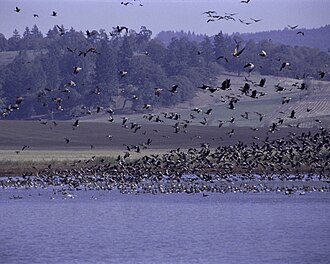
Wildlife conservation is the practice of protecting wild species and their habitats to maintain healthy populations and restore or enhance natural ecosystems. As human activity continues to reshape the planet, the urgency to preserve biological diversity has never been greater. From the depths of the oceans to the densest rainforests, conservation efforts aim to reverse the decline of species and ensure the stability of the Earth's life-support systems.
The scale of the current crisis is stark. The International Union for Conservation of Nature (IUCN) estimates that 42,100 assessed species are at risk of extinction. A more comprehensive 2019 United Nations report suggests that up to one million species worldwide could face extinction if current trends continue. This acceleration is evidenced by current extinction rates, which are estimated to be roughly 1,000 times higher than the background extinction rate—the natural rate of species loss that occurs without human influence.
Key Facts
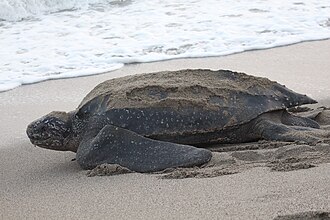
- Extinction Risk: Between 42,100 (IUCN) and 1 million (UN) species are currently threatened with extinction.
- Primary Drivers: Habitat destruction, pollution, climate change, and the illegal wildlife trade are the leading threats.
- Illegal Trade Impact: The illegal wildlife trade is valued between $7-23 billion, contributing to a 60% decline in overall species abundance.
- Taxonomic Vulnerability: Among IUCN-assessed threatened species, amphibians (40%) and mammals (25%) are highly represented.
- Global Frameworks: CITES (1973) and the Convention on Biological Diversity (1992) serve as the primary international legal pillars for conservation.
Major Threats to Global Wildlife
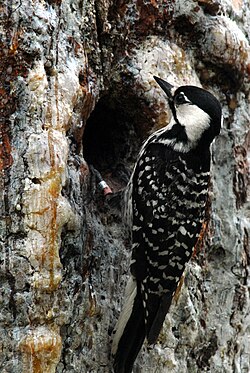
Wildlife populations face a multifaceted array of threats that often overlap, compounding the risk of extinction.
Habitat Destruction and Degradation
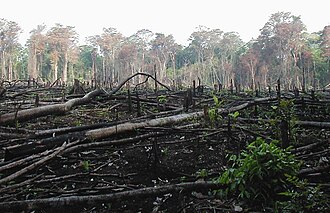
The loss of natural environments is a primary driver of species decline. This includes deforestation—the clearing of forests for agriculture or urban development—as well as habitat fragmentation, which breaks large ecosystems into smaller, isolated patches.
Overexploitation and Poaching
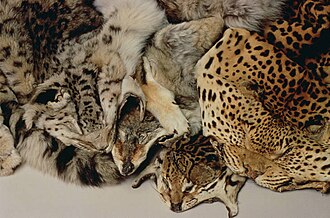
Overexploitation occurs when species are harvested faster than they can reproduce. Poaching, the illegal hunting or capturing of wild animals, fuels a massive black market. The illegal wildlife trade involves approximately 100 million plants and animals annually, with a market value estimated between $7 billion and $23 billion. Research from 2021 indicates this trade has caused an 80% decline in the abundance of endangered species.
Environmental Pollution and Climate Change
Pollution and shifting global temperatures alter the chemistry and viability of habitats. A critical example is ocean acidification, where the ocean absorbs excess carbon dioxide, lowering the pH of the water and making it difficult for calcifying organisms to survive.

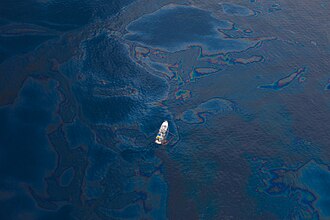
Other pollutants, such as oil spills, cause immediate and long-term devastation to marine and coastal wildlife.
Culling
Culling is the deliberate, selective killing of wildlife by governments. While often framed as population control or safety measures, these programs can have wide-reaching impacts. For instance, "shark control" programs in Queensland and New South Wales, Australia, have killed approximately 50,000 sharks and over 84,000 other marine animals, including dolphins, whales, and turtles.
Species and Habitat Conservation Strategies
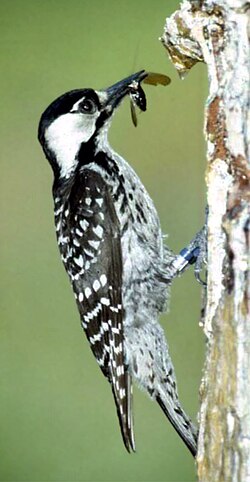
Conservationists prioritize species based on ecological value, economic importance, or public appeal. Because resources are limited, not every species can receive equal attention, leading to a strategic focus on "priority" species.
Case Study: The Florida Panther
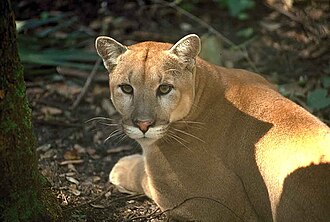
The Florida panther (Puma concolor coryi) provides a powerful example of conservation genetics. By the early 1990s, only 20-25 individuals remained, suffering from severe inbreeding, cardiac defects, and low fertility. In 1995, conservationists introduced eight female Texas cougars to diversify the gene pool. By 2007, the population had tripled, and by 2015, the US Fish and Wildlife Service estimated there were 230 adults, with the species expanding its range across Florida.
Monitoring and Medical Intervention
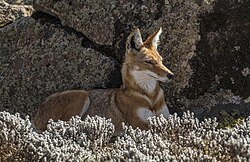
Modern conservation utilizes non-invasive monitoring to track populations without stressing the animals. In some cases, medical interventions like vaccine administration are used to prevent disease-driven extinction. For example, oral rabies vaccines have been deployed to protect the endangered Ethiopian wolf.
Governance and Organizational Efforts
Protecting wildlife requires a combination of national laws, international treaties, and private initiatives.
Governmental Frameworks
- Endangered Species Act (1973): A US law designed to protect species of scientific, cultural, and educational importance.
- CITES (1973): The Convention on International Trade in Endangered Species of Wild Fauna and Flora, which regulates global trade to prevent species decline.
- World Conservation Strategy (1980): Developed by the IUCN and other UN agencies to promote the conservation of resources vital to humans.
- Convention on Biological Diversity (1992): An international accord established at the Rio Earth Summit to protect global biological resources.
The Role of NGOs
Non-governmental organizations (NGOs) often fill gaps left by government action. In the US, amendments to the Foreign Assistance Act in 1979 and 1986 allowed USAID funds to be earmarked for biodiversity, increasing the influence of private conservation groups.
| Organization | Focus Area |
|---|---|
| The Nature Conservancy | Land and water conservation |
| World Wide Fund for Nature (WWF) | Global biodiversity and wilderness preservation |
| Conservation International | Nature-based solutions and biodiversity |
| IUCN | Species assessment (Red List) and standards |
| Traffic | Monitoring illegal wildlife trade |
Frequently Asked Questions
What is the difference between the IUCN and UN extinction estimates?
The IUCN provides estimates based on species that have been specifically assessed (42,100 at risk), while the 2019 UN report extrapolated this data to all existing species, estimating that up to 1 million species could face extinction.
How does the illegal wildlife trade affect species abundance?
The illegal trade of plants and animals is a massive industry worth $7-23 billion. It has led to a 60% decline in general species abundance and a devastating 80% decline for species already classified as endangered.
What is conservation genetics and why is it used?
Conservation genetics involves managing the genetic diversity of a population to prevent inbreeding and health defects. This was successfully used with the Florida panther by introducing Texas cougars to improve fertility and overall health.
What is the purpose of CITES?
The Convention on International Trade in Endangered Species of Wild Fauna and Flora (CITES) is an international agreement designed to ensure that the global trade of wild animals and plants does not threaten their survival.
What is the background extinction rate?
The background extinction rate is the standard rate at which species go extinct naturally over geological time, without the influence of human activities. Current rates are estimated to be 1,000 times higher than this baseline.