Weymouth and Portland Historic Buildings and Architecture
The coastal landscapes of Weymouth and Portland are home to a rich tapestry of architectural heritage, ranging from medieval ruins and Tudor manor houses to formidable Victorian military fortifications. These structures reflect the region's strategic importance as a maritime hub and its evolution from a rural agricultural society to a sophisticated seaside destination.
Key Facts
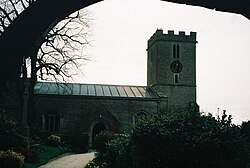
- Diverse Eras: Architecture spans from the 14th-century ruins of the Church of St Andrew to late 19th-century civic buildings.
- Military Strength: The area features significant defensive works, including Nothe Fort and the extensive casemates of The Citadel.
- Ecclesiastical Variety: A wide array of Anglican and Methodist churches mark the spiritual history of both Weymouth and Portland.
- Residential Elegance: The region is noted for its historic terraces, such as Pulteney Buildings and Devonshire Buildings.
The Architectural Heritage of Portland
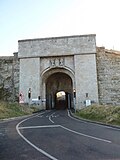
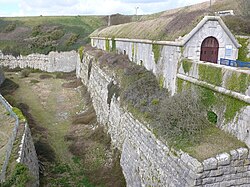
Portland's built environment is characterized by its ruggedness and strategic military installations. One of the most prominent features is The Citadel, a massive fortification featuring a North Entrance arch and tunnel completed in 1880, and a South Entrance gatehouse from 1881. The site also includes South West and South East casemates—fortified gun positions—dating back to approximately 1860.
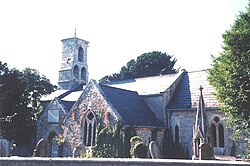
The island's religious history is visible in the contrast between the 14th-century ruins of the Church of St Andrew and the later Church of St Peter, completed in 1872. Educational and community life are represented by the Grove County Primary School, which opened in 1872, and the Easton Methodist Church, established in 1906.
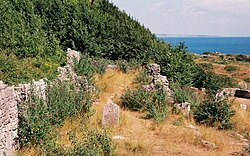
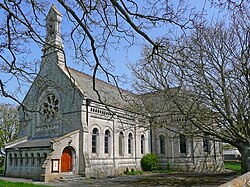
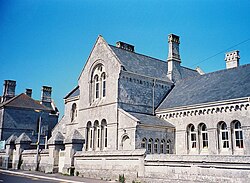
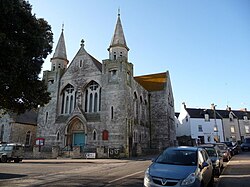
Residential history on Portland is highlighted by the Captain's House (built between 1816 and 1835) and the early 18th-century Queen Anne House, both of which contribute to the island's domestic architectural record.
Weymouth's Historic Landmarks
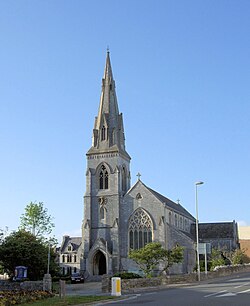
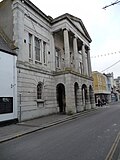
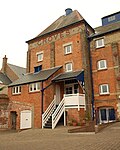
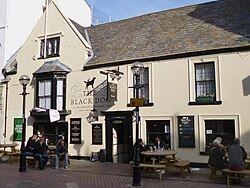
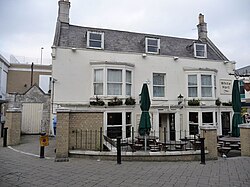
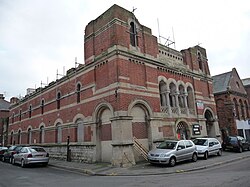
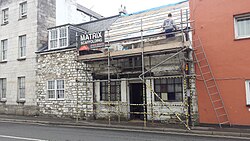
Weymouth offers a more varied urban architectural profile, blending commercial, civic, and residential styles. The town's civic heart is the Guildhall, constructed between 1836 and 1837, while its commercial history is preserved in structures like Malthouse Number 4 (1889) and various historic inns, including the 17th-century Black Dog Public House and the early 17th-century White Hart Hotel.
Coastal Defenses and Fortifications
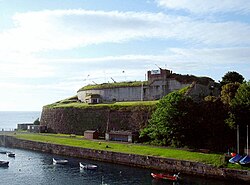
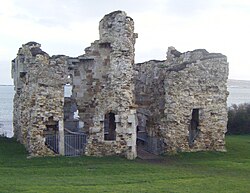
Weymouth's coastline was heavily fortified to protect against invasion. Nothe Fort, a coastal fort built between 1860 and 1872, remains a primary landmark. Further along the coast are the remains of Sandsfoot Castle, a Device Fort (a type of coastal fortification built during the reign of Henry VIII) dating to approximately 1541.
Residential Terraces and Manor Houses
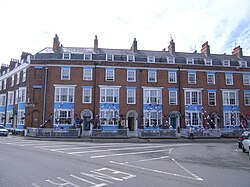
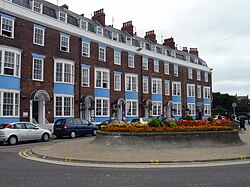
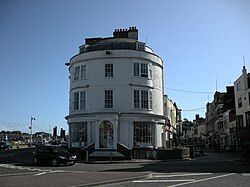
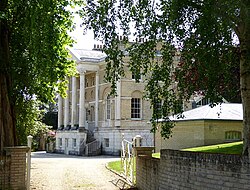
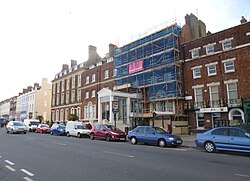
The town is famous for its elegant Georgian and Victorian terraces. Pulteney Buildings (c. 1805), Devonshire Buildings (c. 1805–1819), and Statue House on Johnstone Row (c. 1815) exemplify the refined urban planning of the era. In the outskirts, the region boasts grander estates such as Belfield House (c. 1775) and the Radipole Old Manor, which dates to the late 16th century.
The Village of Upwey
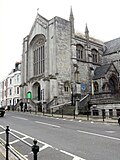
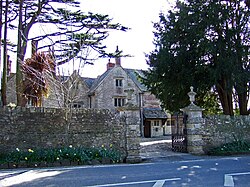
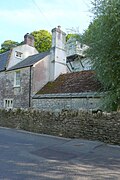
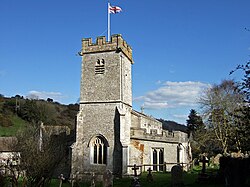
The village of Upwey preserves a quieter, more rural architectural charm. Upwey Manor (1639) and Westbrook House (1620, extended mid-18th century) provide insight into early 17th-century manor design. The village's industrial past is represented by Upwey Mill, a corn mill completed in 1802, while the late 15th-century Church of St Laurence serves as a spiritual anchor for the community.
Summary of Notable Structures
| Building Name | Location | Type | Completion/Date |
|---|---|---|---|
| Sandsfoot Castle | Weymouth | Device Fort | c. 1541 |
| Upwey Manor | Upwey | Manor House | 1639 |
| The White Hart | Weymouth | Hotel | Early 17th Century |
| Pulteney Buildings | Weymouth | Terrace | c. 1805 |
| Nothe Fort | Weymouth | Coastal Fort | c. 1860–1872 |
| The Citadel (North Entrance) | Portland | Arch/Tunnel | 1880 |
Frequently Asked Questions
What is a Device Fort?
A Device Fort is a coastal fortification built during the reign of Henry VIII, such as the Sandsfoot Castle remains in Weymouth, designed to defend the English coast from foreign invasion.
Which is the oldest church ruin in the area?
The ruins of the Church of St Andrew in Easton, Portland, date back to the 14th century, making it one of the oldest ecclesiastical sites listed.
What are casemates in the context of The Citadel?
Casemates are fortified gun positions or vaulted chambers built into the walls of a fortress, used for defense and housing troops.
Where can I find examples of early 17th-century manor houses?
Upwey Manor (1639) and Westbrook House (1620) in the village of Upwey are prime examples of manor houses from this period.
Which buildings represent the Georgian era in Weymouth?
The Pulteney Buildings and Devonshire Buildings, both dating from around 1805, are excellent examples of the Georgian terrace style.