Wayuu People: The Resilient Indigenous Culture of the Guajira Peninsula
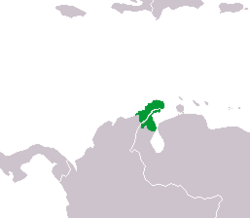
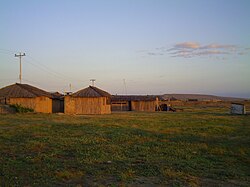
The Wayuu (also known as Wayú or Guajiro) are a vibrant Indigenous ethnic group inhabiting the arid Guajira Peninsula, spanning the border between northern Colombia and northwest Venezuela. Known for their fierce independence and stunning artistry, the Wayuu have maintained a distinct cultural identity despite centuries of colonial pressure. From their unique clan structures to their world-renowned woven bags, the Wayuu represent one of the most significant Indigenous populations in South America.
Key Facts
- Location: Guajira Peninsula, Colombia and Venezuela.
- Population: Approximately 413,437 in Venezuela (2011) and 380,460 in Colombia (2018).
- Language: Wayuunaiki (part of the Arawakan family) and Spanish.
- Primary Export: Handcrafted mochilas (crocheted bags).
- Social Structure: Organized into matrilineal clans.
History of Resistance and Autonomy
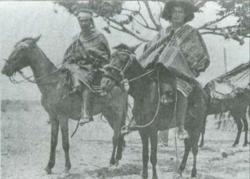
The Wayuu are distinguished among Colombian Indigenous groups for their historical resistance to Spanish colonization. Unlike many other groups, they were never fully subjugated, maintaining a state of intermittent warfare with Spanish authorities. They were uniquely adept at adopting European technology, becoming proficient in the use of horses and firearms.
The Guajira Rebellion
Throughout the 18th century, the Wayuu launched several rebellions, notably in 1701, 1727, 1741, 1757, 1761, and 1768. A major uprising occurred in 1769 after the Spanish captured 22 Wayuu to force them into labor building fortifications in Cartagena. In retaliation, the Wayuu burned villages and churches, eventually fielding an army of nearly 20,000 armed men. While internal divisions and Spanish reinforcements eventually quelled the revolt, the Wayuu succeeded in regaining significant portions of their territory.
Coerced Labor and Independence
Despite laws prohibiting Indigenous slavery, the Wayuu faced systemic abuses and debt peonage (a system where debtors are forced to work for their creditors) in colonial Venezuela. This exploitation continued in various forms well into the 19th and early 20th centuries. Resistance often involved fleeing to Colombia or petitioning governments. It was not until 1936, under General Eleazar López Contreras, that the Venezuelan government began actively working to end debt peonage in rural regions, though some coerced labor persisted into the 1950s.
Society and Cultural Traditions
Wayuu society is deeply rooted in kinship and tradition. They are organized into various clans, each associated with specific territories and meanings.
Clan Structure
The clan system defines identity and social obligations. Below is a summary of some prominent Wayuu clans:
| Clan | Territory/Association | Translation/Meaning |
|---|---|---|
| Aapushana | Epieyu | Bushes where sleepiness is felt |
| Iipuana | Wo'upanalu'u Puuroulepu | Close to the eyes / For the birds |
| Jusayuu | Polujalii Maraalu'u | Beware of the Axe / On top of the land |
| Sapuana | Tuikii Waaleru | Fire / Inside you |
| Tijuana | Uchali´i Oulemeru´u | Play / A lot |
Gender Roles and Rites of Passage
Women hold pivotal roles in Wayuu society. A significant rite of passage occurs for girls around age 12 or at the onset of menstruation. This involves a period of seclusion lasting from two months to two years, during which they are taught domestic skills, cooking, and the art of crocheting. During this time, they follow a special vegetarian diet known as Jaguapi.
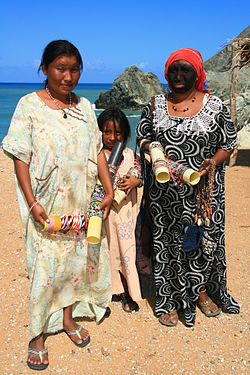
Marriages are traditionally arranged and involve a dowry paid to the bride's maternal uncles. While polygamy is practiced by some men, the society places a high value on the wisdom and maturity of its women.
Lifestyle and Artistry
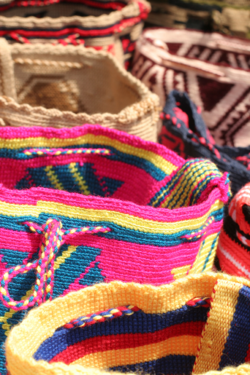
The Wayuu are world-renowned for their textile arts, specifically the mochila (a crocheted bag). Traditionally made from natural fibers dyed with plants, modern mochilas are crafted using bright acrylic threads to ensure color durability.
These bags, such as the susu (a backpack typically 20–30 cm wide), feature intricate patterns inspired by nature. Today, these handicrafts are the most exported artisan goods from Colombia, although the community continues to advocate for fairer profit distribution for the weavers.
Language and Music
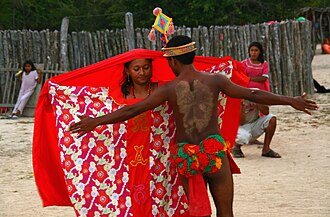
The Wayuu speak Wayuunaiki, a language of the Arawak family. While Spanish is widely spoken by the youth, there is a strong movement to preserve their native tongue. Their music is deeply integrated into daily life, with songs dedicated to cattle, celebrations, and mourning rituals. The La Yonna is a traditional dance performed to honor guests.
Frequently Asked Questions
What is a Wayuu mochila?
A mochila is a handcrafted, crocheted bag made by Wayuu women. While they were originally made from natural cotton and plant dyes, modern versions use acrylic threads for more vibrant, long-lasting colors.
Where do the Wayuu people live?
The Wayuu inhabit the Guajira Peninsula, a region that spans the border between northern Colombia and northwest Venezuela.
What is the Wayuu language called?
Their native language is called Wayuunaiki, which belongs to the Arawakan language family.
How is Wayuu society organized?
Wayuu society is organized into matrilineal clans, where family identity and heritage are passed down through the female line, and maternal uncles play a significant role in social and marital arrangements.
What is the significance of the seclusion period for Wayuu girls?
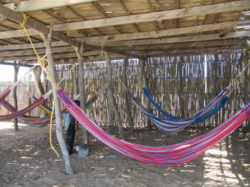
The seclusion period, starting around puberty, is a transitional phase where girls are taught the traditional skills of womanhood, including weaving and cooking, while following a specific diet and resting in a chinchorro (hammock).