Wausau Demographics: Population Trends and Cultural Evolution
Wausau serves as a central hub in central Wisconsin, acting as the larger principal city of the Wausau–Merrill Combined Statistical Area (CSA). A CSA is a grouping of adjacent metropolitan and micropolitan areas that share social and economic ties. This specific region encompasses the Wausau metropolitan area in Marathon County and the Merrill micropolitan area in Lincoln County, which together held a population of 155,475 according to the 2000 census.
The city is supported by a network of surrounding suburbs, including Schofield, Weston, Mosinee, Maine, Rib Mountain, Kronenwetter, and Rothschild.
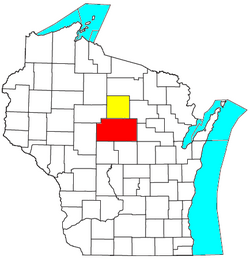
Key Facts
- 2020 Population: 39,994 residents.
- Population Density: 2,081.1 inhabitants per square mile.
- Median Age: 38.1 years.
- Largest Ethnic Minority: Hmong Americans, comprising over 80% of the city's Asian population as of 2022.
- Urbanization: 98.3% of residents live in urban areas.
Population Growth and Historical Trends
Wausau has experienced steady growth since the mid-19th century. Starting with just 543 residents in 1860, the city saw rapid expansion through the late 1800s and early 1900s. While growth slowed slightly between 1960 and 1980, the population has continued a gradual upward trajectory into the 21st century.
| Census Year | Population | Percentage Change |
|---|---|---|
| 1860 | 543 | — |
| 1900 | 12,354 | 33.5% |
| 1950 | 30,386 | 11.4% |
| 2000 | 38,426 | 3.7% |
| 2020 | 39,994 | 2.2% |
2020 Census Detailed Analysis
Age and Gender Distribution
As of the 2020 census, the median age in Wausau was 38.1 years. The population is distributed with 21.8% of residents under the age of 18 and 18.1% aged 65 or older. The gender ratio stands at 98.0 males for every 100 females, which shifts to 96.6 males for every 100 females among the adult population (18 and over).
Household and Housing Statistics
There were 17,420 households in the city, with 24.9% including children under 18. Household structures vary significantly: 36.9% are married-couple households, 23.4% are headed by a male with no spouse or partner, and 29.9% are headed by a female with no spouse or partner. Approximately 38.0% of households consist of individuals, and 14.1% are individuals aged 65 or older living alone.
The city contains 18,605 housing units, resulting in a density of 968.1 units per square mile. The overall vacancy rate is 6.4%, with a specific homeowner vacancy rate of 1.6% and a rental vacancy rate of 7.0%.
Racial and Ethnic Composition
The racial makeup of Wausau has evolved over the last two decades. According to 2020 data, the distribution is as follows:
- White: 78.3% (31,298)
- Asian: 11.9% (4,757)
- Two or more races: 5.6% (2,255)
- Hispanic or Latino (of any race): 4.1% (1,650)
- Black or African American: 1.7% (672)
- Some other race: 1.8% (702)
- American Indian and Alaska Native: 0.7% (292)
- Native Hawaiian and Other Pacific Islander: 0.0% (18)
The Hmong Community in Wausau
The Hmong people represent the largest ethnic minority in Wausau. Following the Vietnam War, churches and social service agencies settled refugees—primarily Hmong, with some Lao and Vietnamese—in the city. This marked a significant demographic shift; in 1980, the Wausau SMSA had fewer than 1% nonwhite residents.
The immigrant population grew rapidly from just several dozen in 1978 to 200 in 1980, 800 in 1984, and 4,200 refugees by 1994. This growth was reflected in the school system, where Hmong student enrollment rose from 160 in 1981 to a peak of 2,214 in 1998. This rapid transition led to some social upheaval and increased expenditures for immigrant services, causing the Wausau School District tax rate to rise by 10.48% in a period ending in 1994.
By 2003, the community showed strong signs of integration and stability: 60% of Hmong families were homeowners, and the welfare rate had dropped to less than 5%. According to 2022 American Community Survey estimates, the Hmong population reached 3,885, accounting for over 80% of the city's Asian population.
Frequently Asked Questions
What is the current population of Wausau?
As of the 2020 census, Wausau had a population of 39,994 people.
Who is the largest ethnic minority group in Wausau?
Hmong Americans are the largest ethnic minority group, representing over 80% of the city's Asian population as of 2022.
What is the median age of Wausau residents?
The median age was 38.1 years according to the 2020 census.
How many people in Wausau live in rural areas?
Only 1.7% of Wausau residents live in rural areas, while 98.3% reside in urban areas.
What is the Wausau–Merrill CSA?
It is a Combined Statistical Area that includes the Wausau metropolitan area (Marathon County) and the Merrill micropolitan area (Lincoln County).