Wallis and Futuna: A Comprehensive History of the South Pacific Islands
Located in the vast expanse of the South Pacific, Wallis and Futuna are islands with a rich tapestry of cultural evolution, from ancient seafaring migrations to their current status as a French overseas territory. The history of these islands is defined by a unique blend of indigenous traditions, Tongan influence, and European colonial administration.
Early Human Habitation and Cultural Roots
The earliest evidence of human presence on the islands dates back to between 850 and 800 BCE, marked by artifacts from the Lapita culture—a prehistoric Pacific Ocean culture known for its distinct pottery. Due to their location, the islands served as vital stopover points for maritime traffic traveling between Fiji and Samoa.
During the 15th and 16th centuries, the islands faced invasions from Tonga. While the inhabitants offered varying levels of resistance, the impact of these invasions differed by island. Futuna managed to preserve more of its pre-Tongan cultural identity, whereas Wallis experienced fundamental shifts in its language, society, and culture. Archaeological evidence and oral histories indicate that Tongan invaders often re-occupied and modified existing indigenous forts and structures.
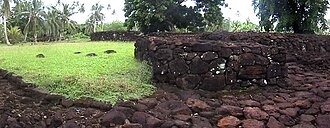
European Contact and the Arrival of Missionaries
European exploration began in the early 17th century. In 1616, Dutch explorers Willem Schouten and Jacob Le Maire placed Futuna on European maps, naming the islands "Hoornse Eylanden" after their hometown of Hoorn. Later, the Wallis Islands were named after British explorer Samuel Wallis, who sailed past them in 1767.
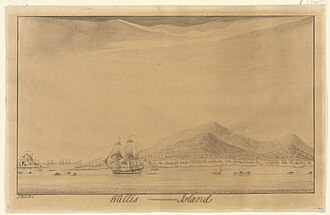

The French were the first Europeans to establish a permanent presence, beginning with the arrival of Catholic missionaries in 1837. The Marist fathers, including Pierre Bataillon in Wallis and Pierre Chanel in Futuna, converted the population to Roman Catholicism. Pierre Chanel, canonized in 1954, remains a major patron saint for the region.
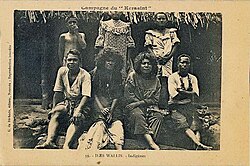
The Path to French Protection and Annexation
Following local uprisings, missionaries requested French protection on April 5, 1842. This led to a series of formal treaties: the queen of Uvea (Wallis) signed a protectorate treaty on April 5, 1887, and the kings of Sigave and Alo (Futuna) followed on February 16, 1888. Initially, these islands were administered under the French colony of New Caledonia.
Unlike traditional colonization, the French resident's authority was largely limited to external affairs, allowing the kings and queens to retain customary authority over their subjects. In 1917, the three traditional kingdoms—Uvea, Sigave, and Alo—were officially annexed by France.

World War II and Social Transformation
The Second World War brought dramatic changes, particularly to Wallis. After a period of isolation due to the local administration's loyalty to the Vichy regime, Free French and American forces landed in May 1942 to counter the Japanese Empire. The U.S. Army established a military base and built extensive infrastructure.
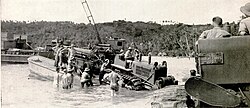
The presence of American GIs introduced a consumer-based society and Western lifestyles, which weakened traditional religious and customary authorities. When the U.S. forces departed in 1944, Wallis suffered an economic and social crisis as the population struggled to return to subsistence agriculture. This hardship triggered a wave of migration to New Caledonia and the New Hebrides (now Vanuatu).
Modern Governance as an Overseas Territory
In 1959, the inhabitants voted to become a separate French overseas territory, a status that became effective on July 29, 1961, ending their subordination to New Caledonia.
The islands continue to balance French law with traditional monarchies. This tension was evident in 2005 when King Tomasi Kulimoetoke II of Uvea faced deposition after attempting to shield his grandson from the French penal system in favor of tribal law. Following his death in 2007 and subsequent leadership changes, Patalione Kanimoa was installed as king of Uvea in 2016, alongside Lino Leleivai in Alo and Eufenio Takala in Sigave.
Key Facts
- Earliest Settlement: Lapita culture artifacts date back to 850–800 BCE.
- Religious Influence: Predominantly Roman Catholic since the arrival of Marist missionaries in 1837.
- Political Status: French overseas territory since July 29, 1961.
- Traditional Structure: Divided into three traditional kingdoms: Uvea, Sigave, and Alo.
- WWII Impact: U.S. military base in Wallis (1942–1944) introduced Western consumerism.
| Period/Date | Event | Significance |
|---|---|---|
| 850–800 BCE | Lapita Settlement | Earliest known human habitation. |
| 1616 | Dutch Exploration | Futuna first appears on European maps. |
| 1837 | Missionary Arrival | Conversion to Roman Catholicism. |
| 1887–1888 | Protectorate Treaties | Official attachment to France. |
| 1942–1944 | U.S. Military Presence | Infrastructure growth and social shift in Wallis. |
| 1961 | Overseas Territory | Independence from New Caledonia administration. |
Frequently Asked Questions
Who were the first people to inhabit Wallis and Futuna?
The earliest inhabitants were people of the Lapita culture, with archaeological evidence dating back to approximately 850–800 BCE.
How did the Tongan invasions affect the two islands differently?
Wallis underwent significant changes in its society, culture, and language due to Tongan influence, while Futuna retained more of its original pre-Tongan cultural features.
What role did the Catholic Church play in the islands' history?
Catholic missionaries arrived in 1837 and converted the population. Figures like Pierre Chanel became central to the region's spiritual identity, and the population remains predominantly Catholic today.
Why did the U.S. Army establish a base on Wallis during WWII?
The U.S. Army and Marine Corps landed in 1942 to establish a base to counter the Japanese Empire during the Pacific War.
How is the government structured today?
The islands are a French overseas territory, but they maintain traditional monarchies in the kingdoms of Uvea, Sigave, and Alo.