Wallis and Futuna Dance Traditions and Cultural Significance
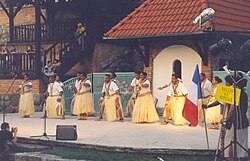
In the islands of Uvea (Wallis) and Futuna, dance is far more than a performance; it is a cornerstone of cultural identity and social cohesion. These rhythmic expressions are woven into the fabric of daily life, serving as a primary medium for storytelling, celebration, and the honoring of traditional hierarchies.
Dance is integrated into various social contexts, ranging from fakahaha'aga (festivals) and to'oto'oga (ceremonies or celebrations) to moments of pure leisure and pleasure. These performances ensure that the rich heritage of the islands remains vibrant and alive for future generations.
Regional Terminology and Variations
While the spirit of dance is shared across the territory, the terminology used to describe these art forms differs between the two main island groups. In Uvea, the local term for dance is faiva, whereas in Futuna, the practice is referred to as mako.
The Katoaga Ceremony
One of the most prestigious events involving dance is the katoaga. This specific celebration is reserved for high-status occasions, occurring only during the visits of chiefs. On rare and auspicious occasions, a katoaga may also be held to honor the Lavelua, the King of Uvea.
Cultural Rewards and Recognition
The mastery of these dances is highly valued within the community. To recognize the skill and effort of the performers, a fakapale is traditionally given to the dancers as a reward for their magnificent performances.
Key Facts
- Uvea uses the term faiva for dance, while Futuna uses mako.
- Dances are performed during fakahaha'aga (festivals) and to'oto'oga (ceremonies).
- The katoaga is a special celebration held for chiefs and the Lavelua (King).
- Performers receive a fakapale as a token of appreciation for their dance.
| Term | Meaning/Context | Region/Application |
|---|---|---|
| Faiva | Dance | Uvea |
| Mako | Dance | Futuna |
| Fakahaha'aga | Festivals | General |
| To'oto'oga | Ceremonies or celebrations | General |
| Katoaga | High-level celebration | Chiefs and Lavelua |
| Fakapale | Reward for dancers | General |
Frequently Asked Questions
What are the different words for dance in Wallis and Futuna?
In Uvea, dance is called faiva, while in Futuna, it is known as mako.
When is a katoaga performed?
A katoaga is a special celebration that takes place during the visits of chiefs and, occasionally, the Lavelua (King).
What is a fakapale?
A fakapale is a traditional gift or reward given to dancers to honor their magnificent performance.
In what settings is dance typically seen in these islands?
Dance is commonly seen during fakahaha'aga (festivals), to'oto'oga (ceremonies or celebrations), or simply for pleasure.